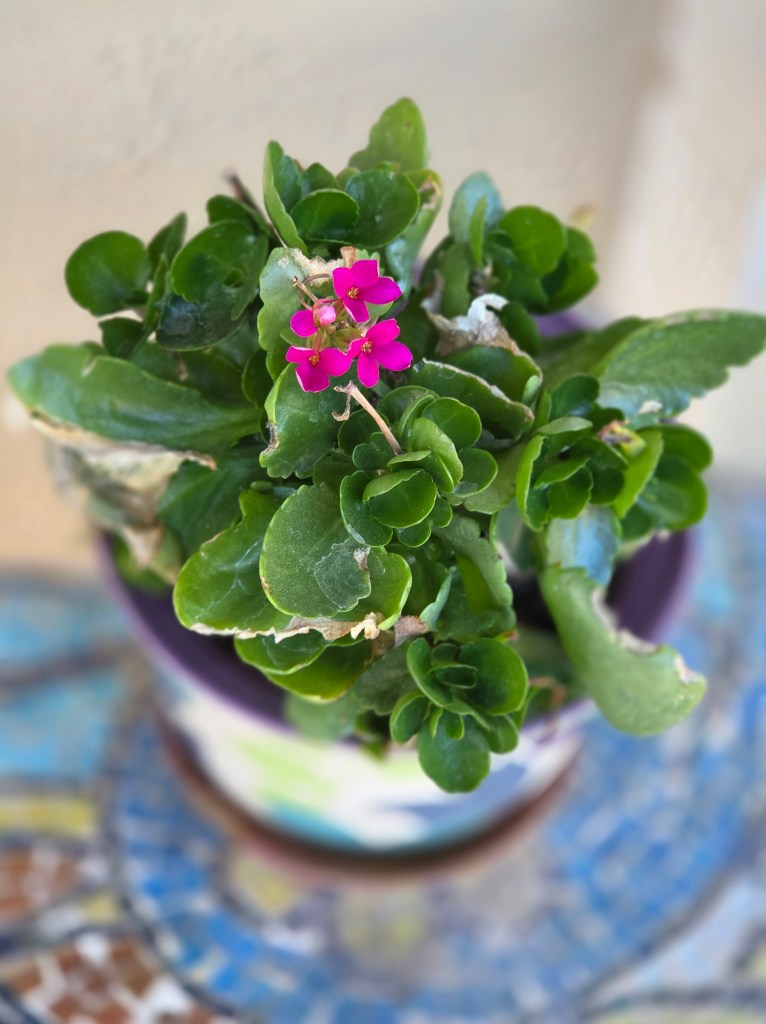
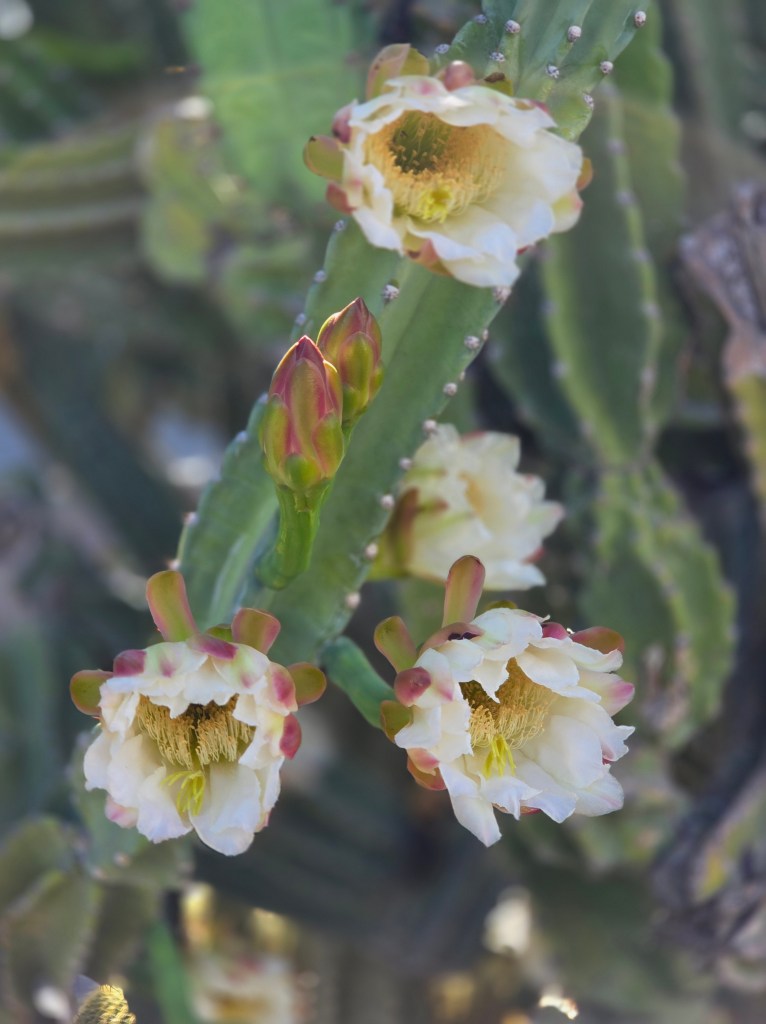
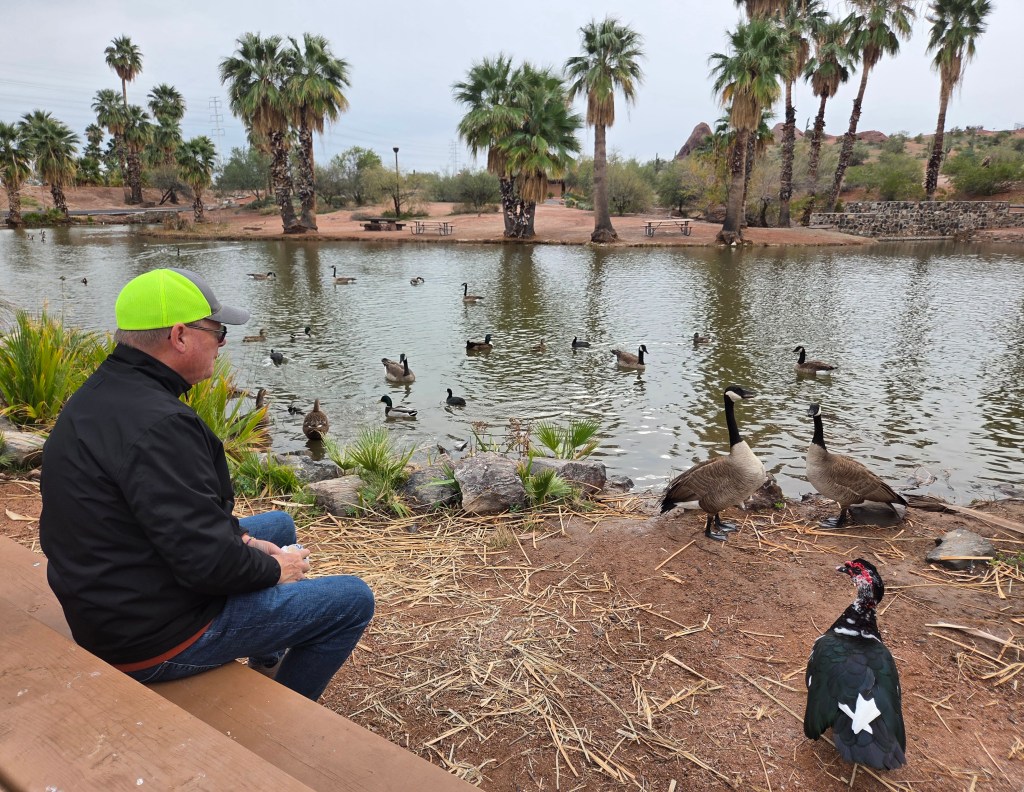
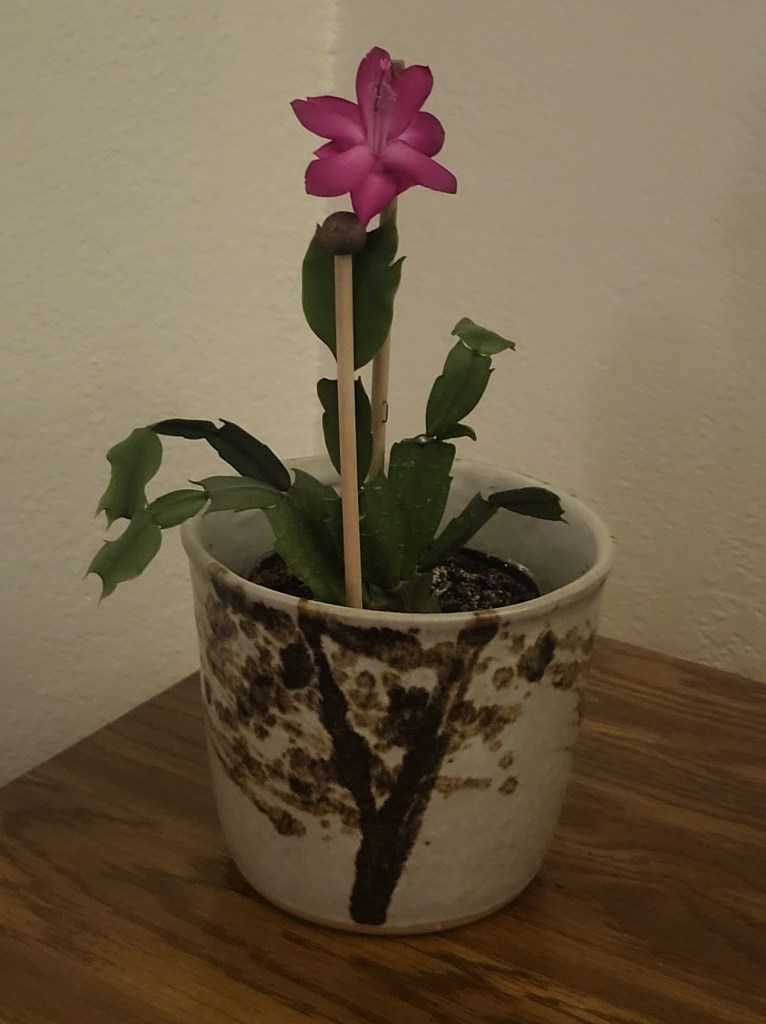
While we box up our flickering, ever-tangled holiday lights, compartmentalize them with our fading democracy, shove them into insanity’s dusty attic beside our president’s latest lawless actions streaming 24/7, we also attempt to climb above and beyond accumulating ominous clouds, by feeding old-year bread to new-year geese, by examining each piece of life’s puzzle with bleary-but-thoughtful eyes, by loving ourselves, each other, and all animals, by emulating kind lives under fleeting desert candlelight, by resuming our daily quest for survivorship and unflappable wisdom, even as every institution, every once-reliable media conglomerate or teetering motherboard (like the dying one on Tom’s old phone) signals the end is near and must be replaced. So, we replace it. We move on. We give thanks. We cherish every labor of love and every hidden oasis. We welcome every petite, heartful bouquet. We marvel at one rare, exquisite, night-blooming cereus, paint-plus-provenance. It is the perfect gift on canvas from a dear friend.
The downstream darkness of January is real, but in our upstream hearts, in the serenity of nature (and now framed in splendor on our living room wall thanks to Dougal) there is a profound, constant, but private reminder: there is always beauty and hope, even when there is darkness.
My title doesn’t quite have the ring, rhythm and dreamy sway of April in Paris (the 1932 song composed by Vernon Duke with lyrics by Yip Harburg).
But then the Sonoran Desert, which we in Scottsdale inhabit in the Valley of the Sun, is nothing like the iconic French city (or so I’ve heard).
Late March rains and chillier-than-normal temperatures have produced a green early April in central Arizona. Perhaps the greenest I can recall, since Tom and I moved here in 2017. We hope this is a trend and precursor to a cooler, wetter summer.
As snowbirds fly (or drive) east and north to return to their predominant nests, we full-time desert dwellers are left with more space to roam and the promise of new life that will sustain us.
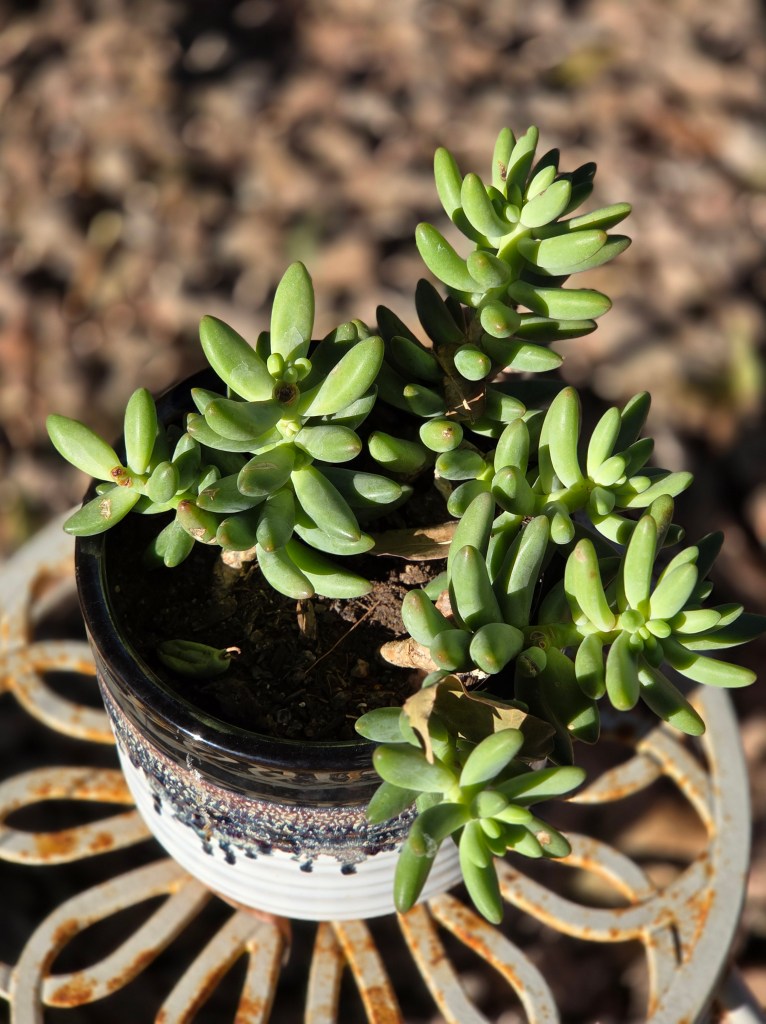
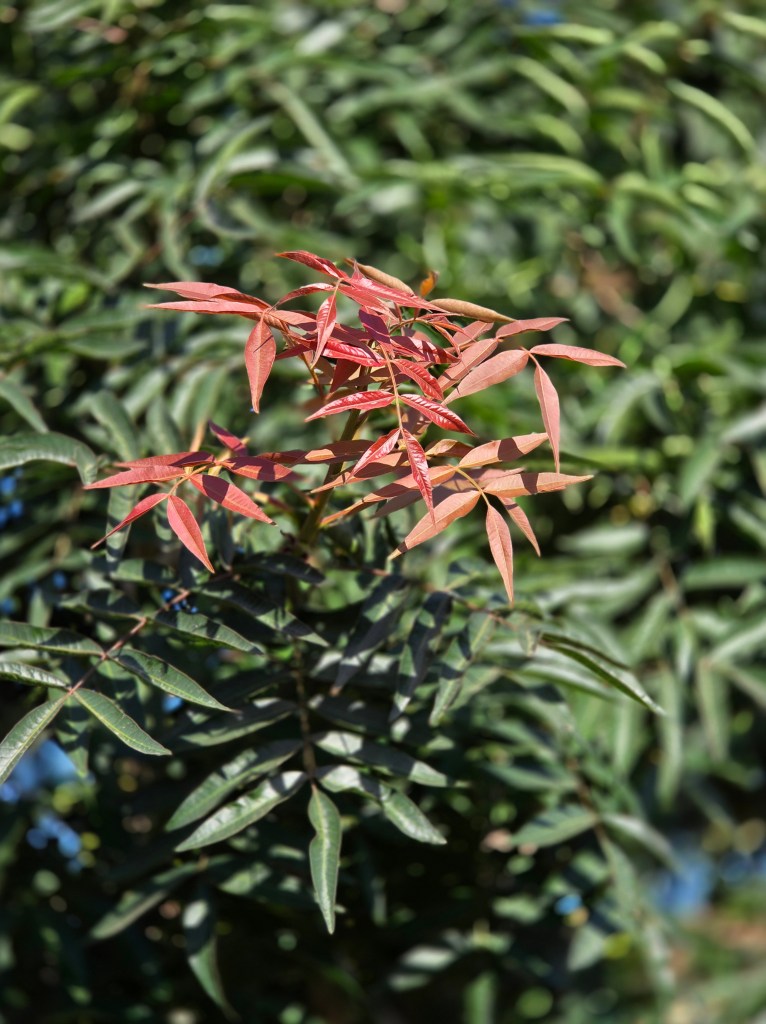
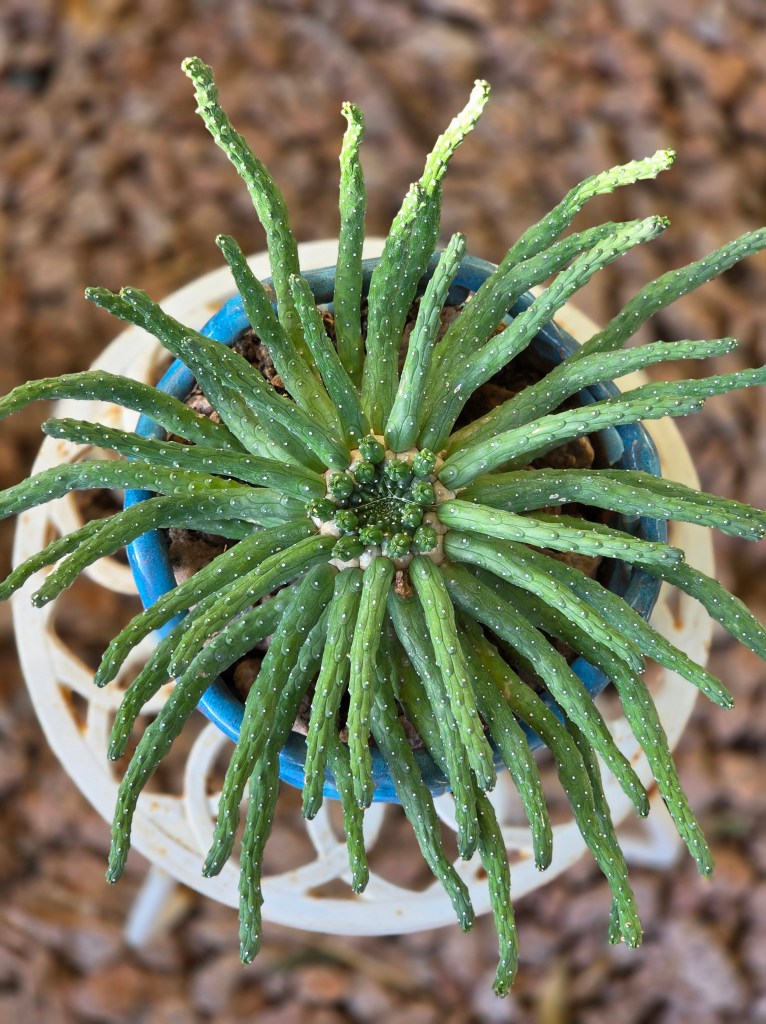
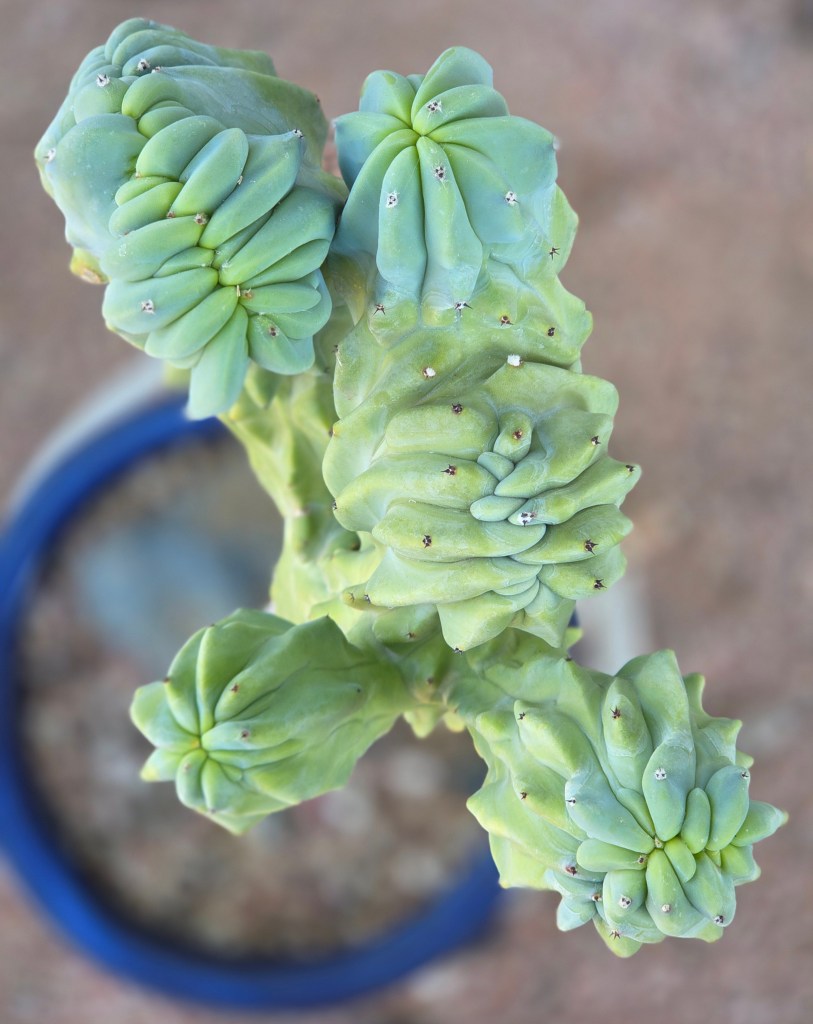
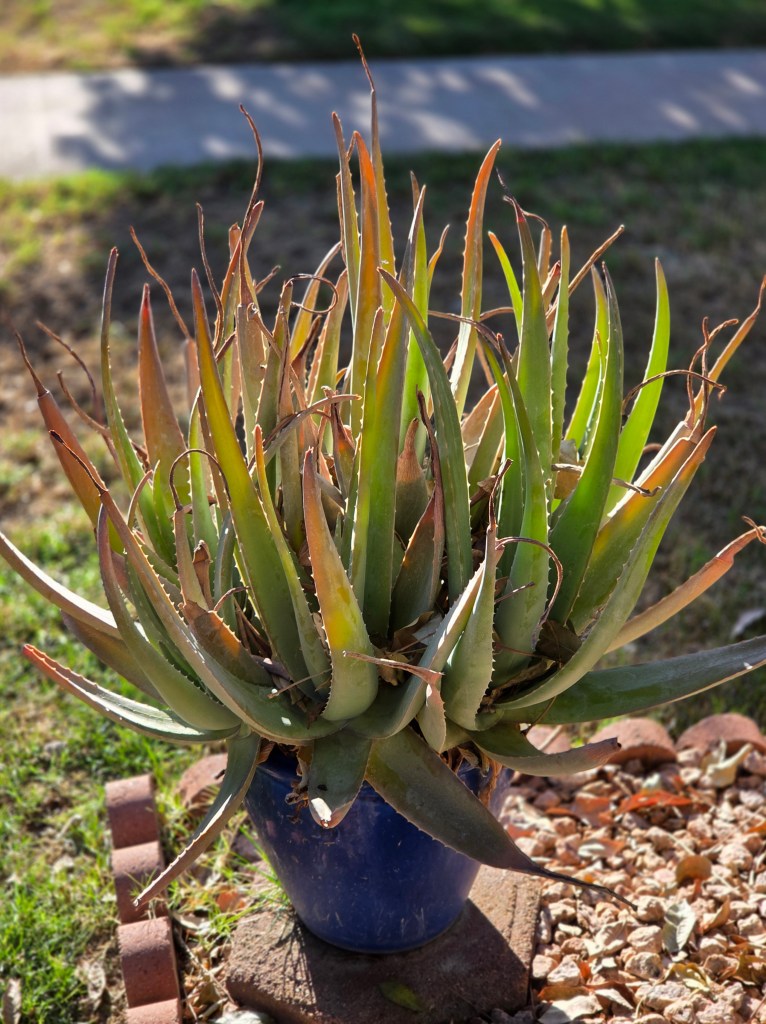
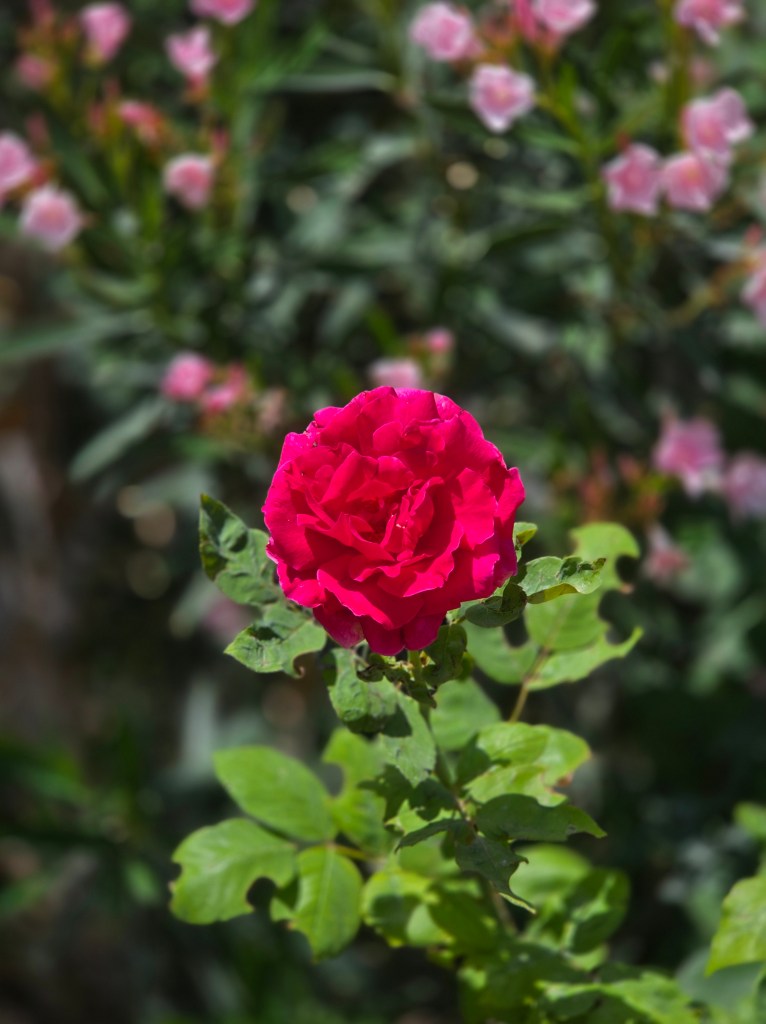
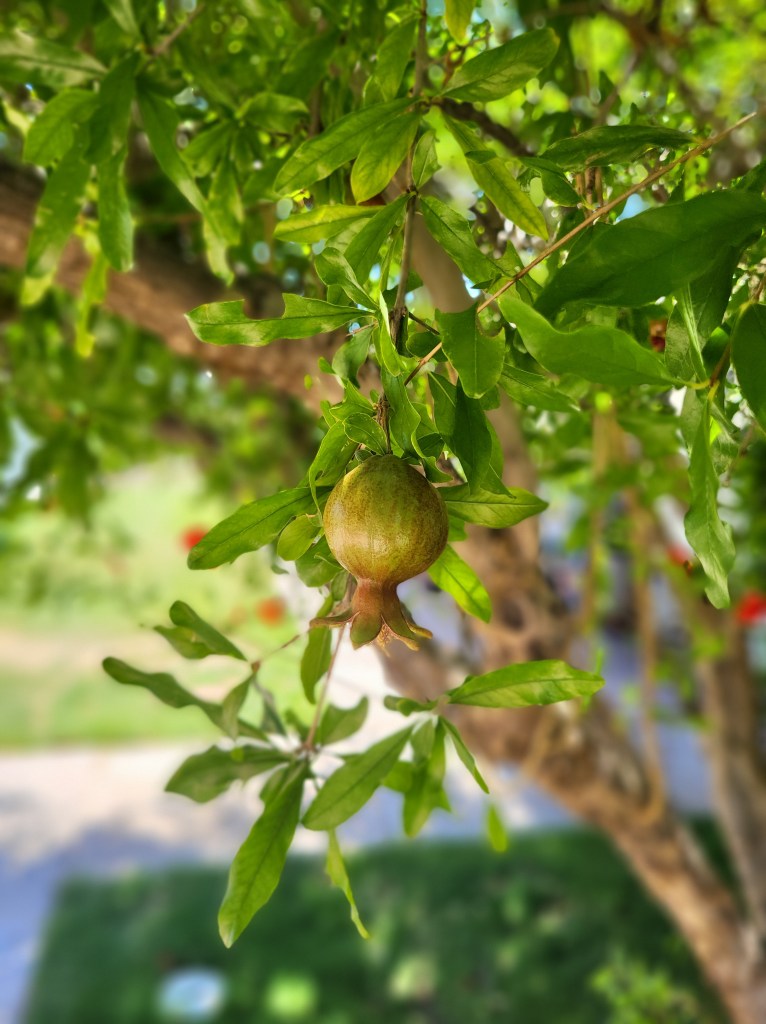
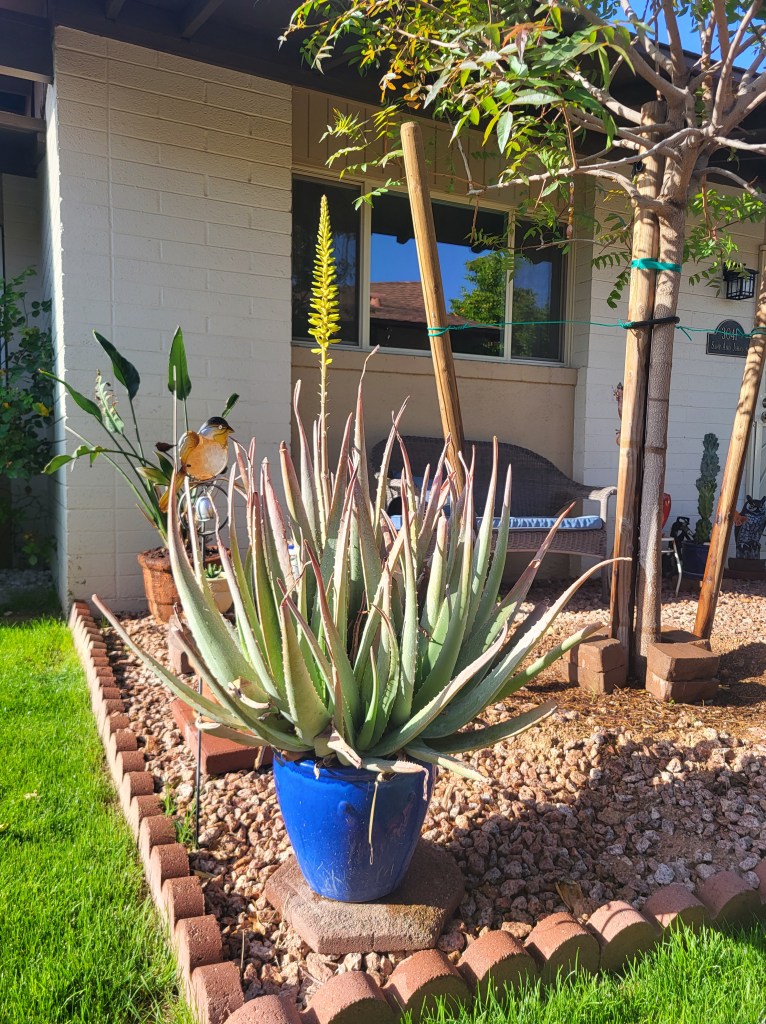
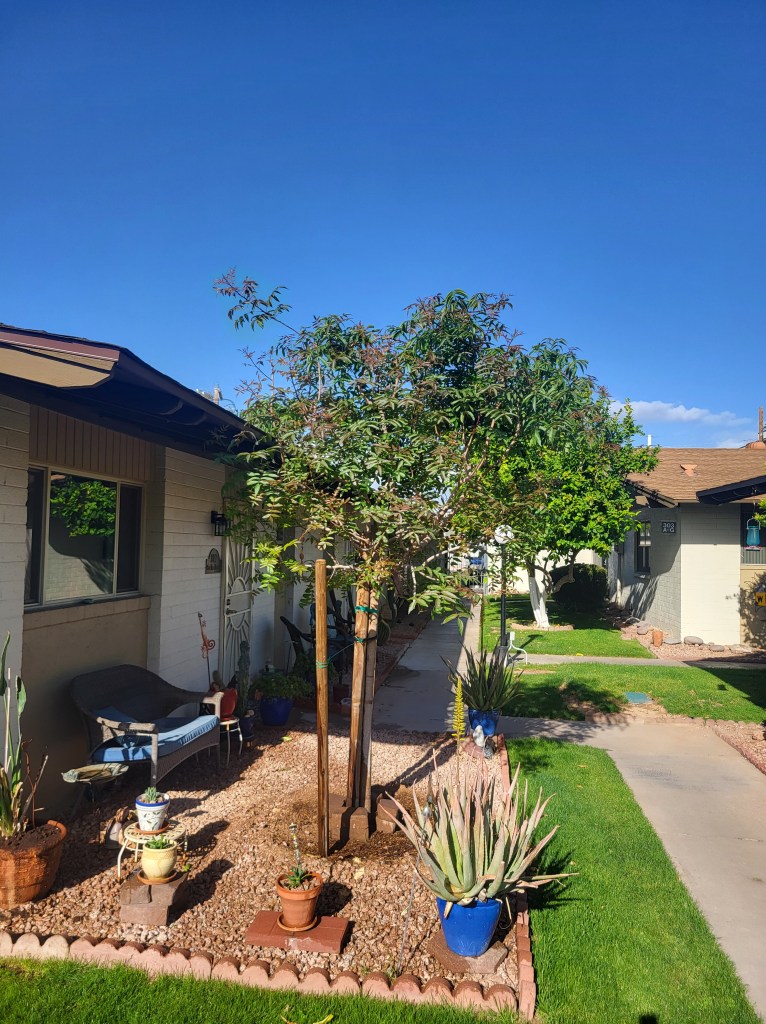
Even in the desert, April colors and possibilities burst forth from cacti, succulents, and containers. But most notably from the earth where newly planted trees such as our Red Push Pistache–those we’ve only just begun to know–prepare to dip the tips of their leaves in ink and write their own stories.
In the base of nature’s jagged bowl, weighty wings of clouds gather and descend. Endless cascades of cleansing tears appear to wash tangled unsuspecting souls.
“Fly away” they shout. “Show us those we knew are lasting. Bathe us in revealing light and budding promise. Help us replenish and remember what has gone.”
***
This poem is dedicated to all those who have gone before us. To enjoy more of my poetry, buy my latest book–A Path I Might Have Missed–on Amazon.
We all endure specific days–or months–that test our best intentions and weigh on our psyches. January is that month for me.
Long before Tom’s father died January 14, 2012, and my mother followed January 26, 2013, the first month of the year represented a period of Midwestern malaise, forced hibernation, and cold, lingering darkness.
Of course, I live in a warmer, brighter climate now (despite freezing temperatures the past few mornings). I am thankful for that, especially as Tom shares images of his sister and brother-in-law snow blowing and shoveling outside their suburban Chicago home.
Since my mother’s death nearly eleven years ago, the years have passed with a gauzy flutter like pages of a book swept away by a winter’s squall.
Yet January’s weary sensations–grief masked in a cocktail of Christmas memories, vanilla lip balm, and her last graceful smiles during breathing treatments designed to ease her congestive heart failure–appear on cue.
Last weekend, Tom and I packed away our Christmas decorations and recounted cherished memories of quiet holiday moments together and the adrenalin rush of my holiday concert. Adjusting to the rise and fall of this season is always a bittersweet process.
But this week I was eager to recoup our less-cluttered space. To move ahead. To read and write new pages. To protect, nurture, and regain a more normal rhythm away from the madness of news that reminds me–frequently–just how fragile our democracy has become.
My mother and father–who survived the Battle of the Bulge in World War II–would be horrified.
In the depths of 2020, my husband and I began a tradition of buying bouquets of flowers to place in a vase in our living room. As the walls and woes of Covid and our political angst closed in, it gave us hope to see a splash of color on our coffee table.
Less than ten days into 2024, like each of you I have my dreams and doubts, wonders and worries.
But writing about this spray of lavender carnations Tom and I brought home (then displayed in a smoky-blue ceramic pitcher my mother left behind, and placed atop a Spring-like, bird-laden runner my sister gave us for Christmas) helps me breathe, reflect, and relax.
The longer, hotter summer of 2023 in the Valley of the Sun claimed countless trees and plants–not to mention hundreds of human lives.
Now that November has settled in, we are reminded that cooler mornings and evenings–with warm, sunny afternoons sandwiched in between–actually exist in central Arizona from October through May. This is why we live here.
Unlike most of the United States, fall is a time of renewal in the Sonoran Desert. It is more like spring with an autumnal twist–minus the crunch of rotting leaves underfoot.
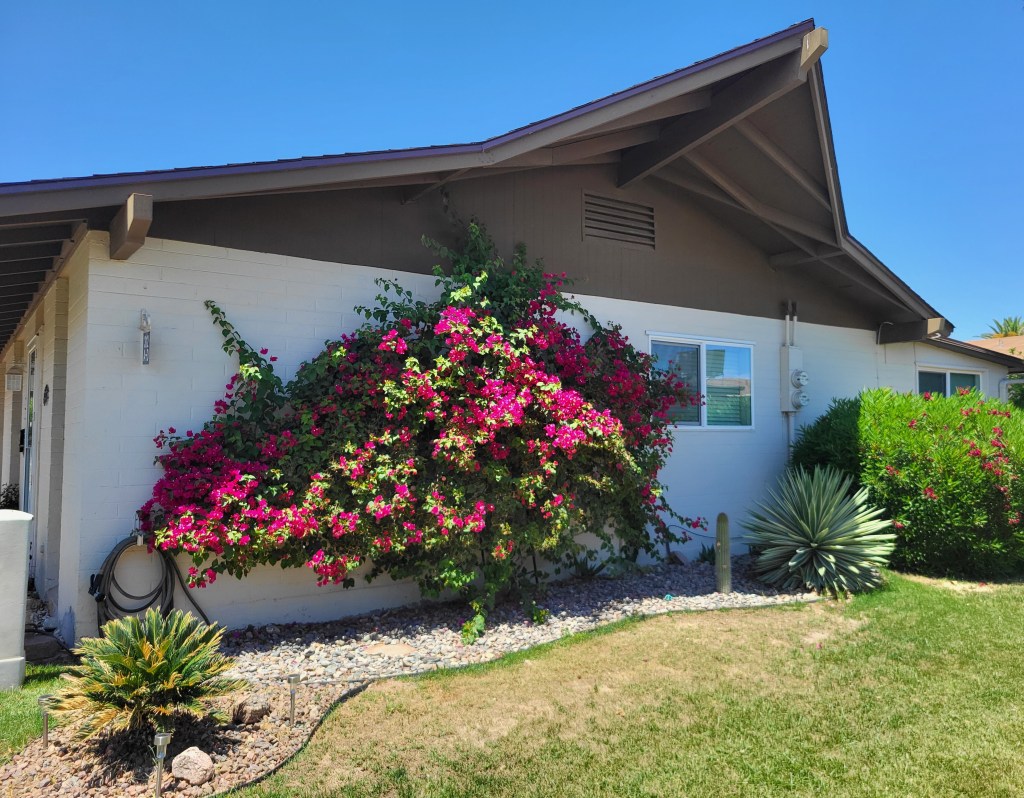
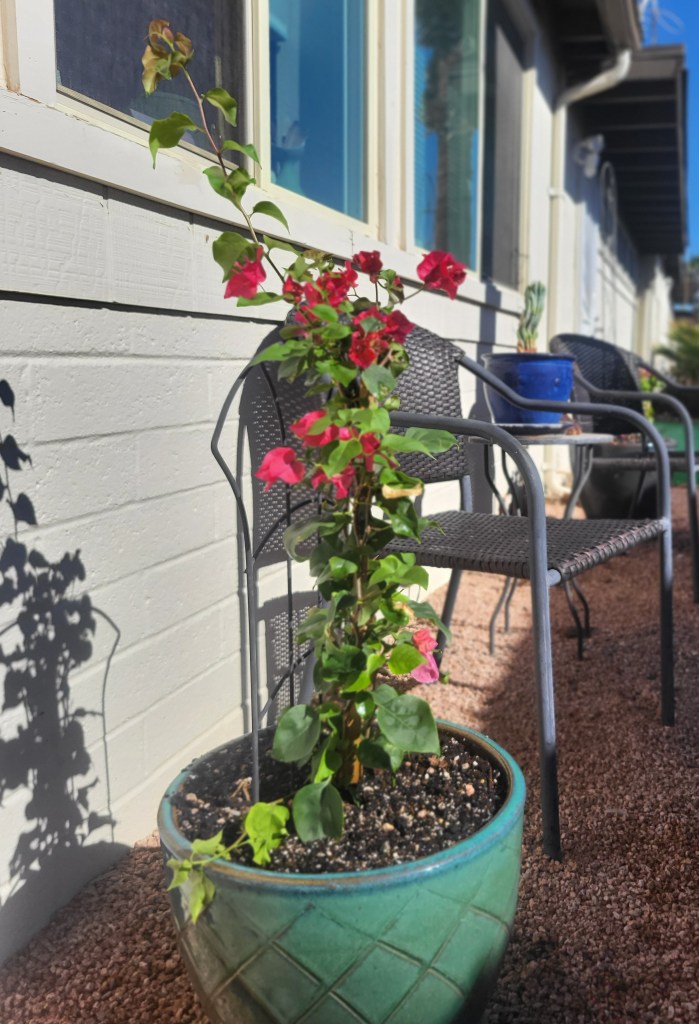
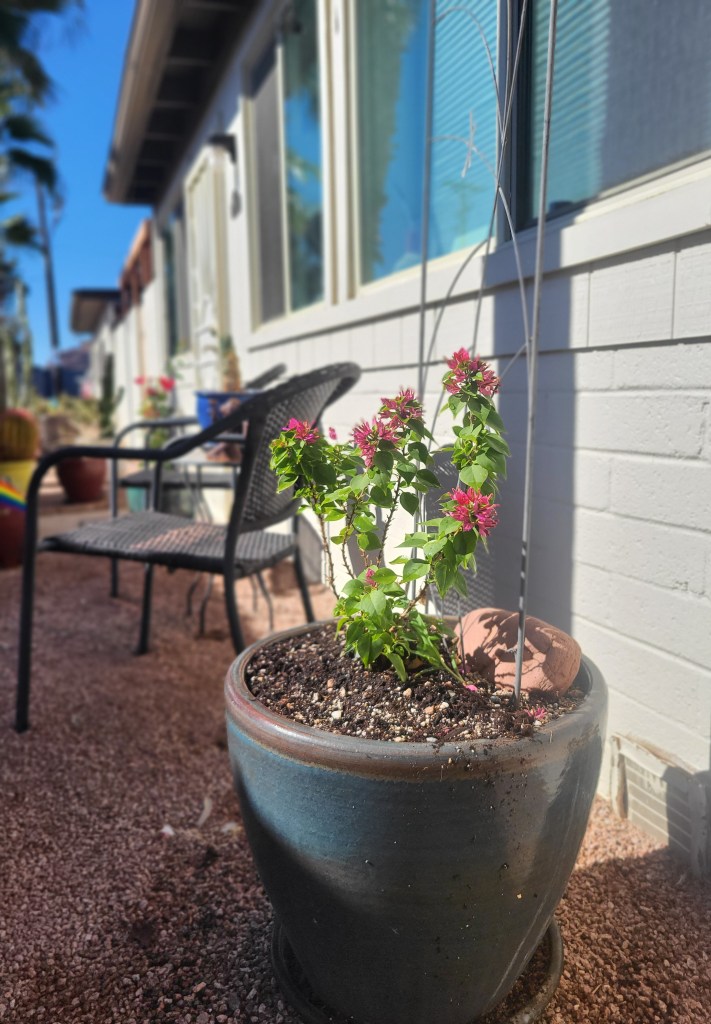
We desert rats can now focus on revitalizing our gardens and spirits. Perhaps a Barbara Karst or Torch Glow bougainvillea here–or a crested cactus there–to dress up the back patio in time for Thanksgiving.
Whatever your potting preference, it is growing season despite the advancing darkness. While old plants and trees lick their wounds, new ones pose with the promise of buds to endure winter–a foreign concept for most of the Northern Hemisphere reconciled to the shiver of ice and cold.
It’s a sizzling Saturday in the Phoenix area … 97, 98, and climbing. Hats and water bottles for protection and hydration are in order. They are now regulation gear for the next several months.
When Tom and I left the Phoenix Farmer’s Market mid-morning–clutching a clump of chard, a few red peppers, and a bouquet of snapdragons–I could feel the crackle and pop of heat bouncing off the sidewalks. Pulsating through the air.
Tom has since trimmed the pink and magenta snapdragons. He arranged them in a cobalt-blue-glazed ceramic pitcher I treasure. My mother left it behind.
We began buying fresh-cut flowers three years ago as Covid raged and tightened its grip on the world. It was our way of bringing natural beauty into our home, while we worked to avoid the bombardment of fear and disease.
Thirty-six months later, you might say this practice has taken root and grown into a full-fledged tradition.
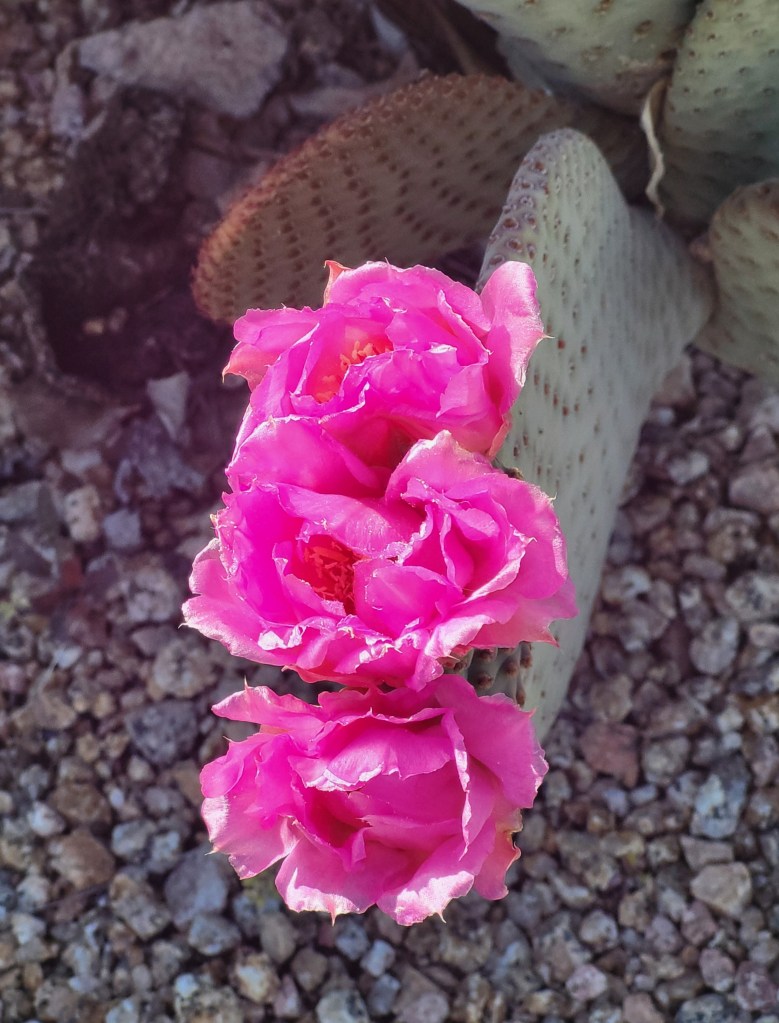
Certainly, there is beauty outside in the surrounding rugged buttes, startling sunsets, chirping birds, and April cactus blooms.
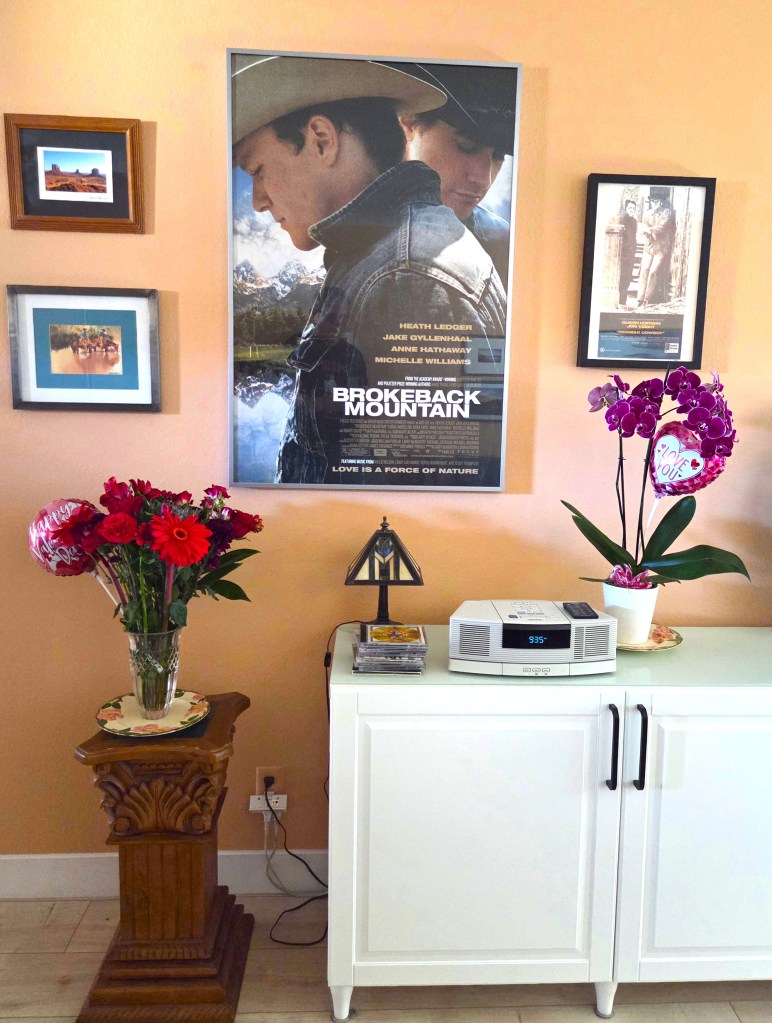
But this bouquet (featured on a table beneath our Brokeback Mountain poster we bought when we lived in the Chicago area) provides us with a more private splash of color. Tucked away from the heat of the day both meteorologically and metaphorically.