Category: mentoring

Sixes and Settings

Sixes are wild. I have written and published six books–most of them in my sixties. Meanwhile, last Friday, I welcomed another group of writers to my sixth memoir-writing workshop at the Scottsdale Public Library.

Each writer arrives in the room with their own suitcase of metaphorical stories to tell. In my role as leader and facilitator, I encourage them to unpack the most meaningful, vivid ones.

There are eleven participants in the current class. We’ll have two more three-hour sessions together. One is tomorrow. The last one is October 30. Though we meet just three times in person, I try to cram as much writing into our time as possible.

My goal is for them to find and develop creative momentum in this temporary writing community, then move ahead independently to write a personal story. I focus on helping them tell ONE story from their lives, rather than THE story of their lives. I think that makes the process less intimidating.

This week’s writing? To describe a setting that is memorable from their lives. It might be a city, town, or something more specific. Perhaps a room in a house where something important occurred. In a worksheet I gave them, I say, “What does this place look, sound, smell, feel, taste like?” Then, I ask them to include these sensory observations in the narrative of their story.

I work with the group to build trust right from the start of the workshop. So, I will keep their story submissions confidential. But suffice it to say, their “settings” stories they submitted run the gamut. The organic and raw nature of memoir writing is what I find my fascinating about the genre.

Last year when I first introduced this “settings” exercise in another of my workshops, I completed my own version of this exercise to see how it felt.

What I’ve written below is a description of one of my favorite cities in my home state … Flagstaff, Arizona. I’d love to know what you think. Send me a comment.

***

Like much of America, downtown Flagstaff lives in transition.

Wooden porches of once-proud homes sag and creak. They speak of generations of heavy snow, extreme temperatures, and familiar faces gone but not forgotten.

Scattered wildflowers bloom through deep cracks in sidewalks and curbs. Occasional murals–born and etched by Arizona artists–adorn avenues. They tell hardscrabble stories of past lives.

North and south of historic Route 66–on both sides of parallel train tracks that dissect and rumble through the town–entrepreneurs have stripped and transformed buildings. Trendy pizza joints, aspiring restaurants, cozy coffee houses, touristy bars, ski shops, reimagined inns, dental offices, healthcare clinics, law practices, and investment firms anchor street corners.

Some have since closed, casualties of the pandemic. The lucky ones endure, connecting bohemian neighborhoods within view of the breathtaking San Francisco Peaks.

The overall effect produces a block-by-block checkerboard of western resiliency, community pride, mountainside retreat, and twenty-first-century regrets.
On This Wet October Day

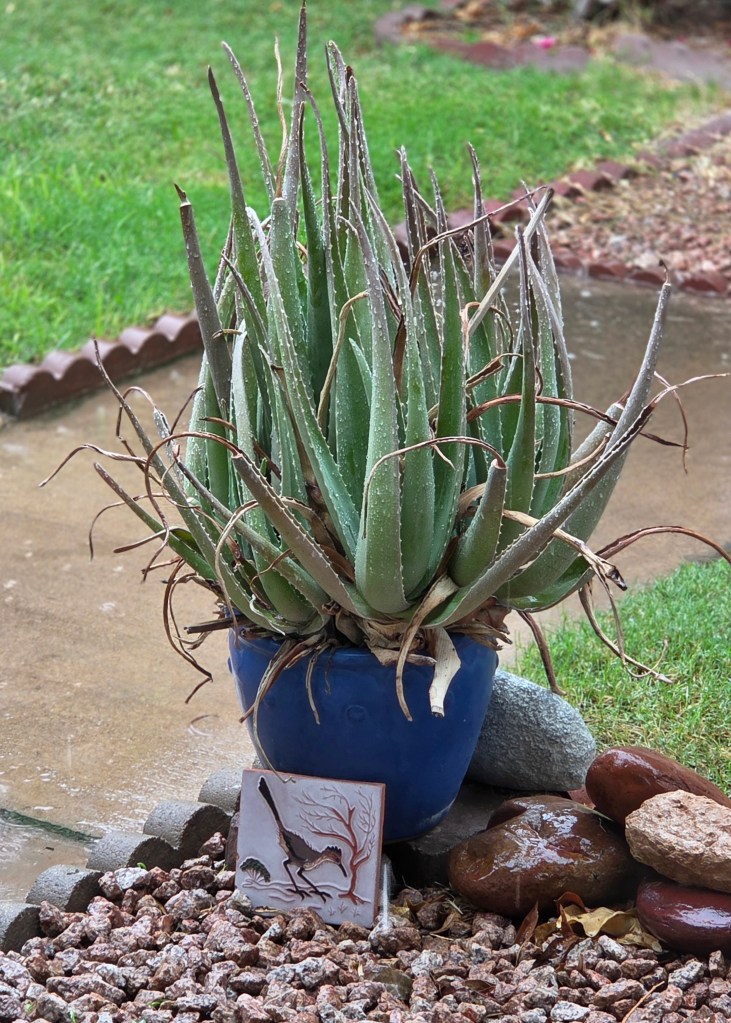
Waves of random showers soak once-parched plants on this wet October day. Some soothe forgotten succulents, while others cue autumnal chapters of bubbling baked apples, laced with sugar and cinnamon, brimming with melted butter, delivered simply and securely, without a dog-eared recipe, directly from her heart and Midwestern oven.

The sweet, fruity aroma stirs my creative spirit, fires my tired fingers, fuels my ever-willing voice, and ignites tomorrow’s best intentions to nurture seedlings of songs and stories that otherwise might never grow, never emerge, never be written.

Elder Gay

I met a new friend for lunch yesterday. It’s a rather unusual, sweet story. For that reason, I need to write about it.

About three months ago, a young reporter sent me a message via my contact page. He saw a nostalgic piece I wrote about my college years at the University of Missouri.

It included a reference to Hinkson Creek and an abandoned quarry there, which I and many other college freshmen and freshwomen frequented on Friday nights to swim and party.

Apparently, the creek is now polluted–has been for more than thirty years–with an array of contaminants, but there is a push by various environmental groups to salvage it.

In his note, this earnest reporter–a journalism student at the same university I graduated from in 1979–wanted to talk with me to include a few comments about my recollections of Hinkson Creek. He wanted to give the story some texture and a touch of humanity.

As background, I don’t always respond to these sorts of messages. Too many of them are generated by bots or feel exploitive. But this one felt different. So, I responded.

A few days later, we had a pleasant phone conversation. I shared information about the fun I had with friends at Hinkson Creek in the mid 1970s and how sad it was for me to learn that Hinkson Creek is now unsafe due to the presence of E. coli in the water (according to data on the EPA website).

Before I said goodbye to the reporter, he told me how ironic it was that I lived in the Phoenix area, because he would be moving to the Valley of the Sun in July to be with his partner. I suggested he contact me again once he got situated here.

Last week, I received a text from this young man, this recent Mizzou journalism graduate who is forty-eight years younger than me.

He now lives in Phoenix and is looking for a writing job here. He included a link to the story he wrote which appeared in the Columbia Missourian with a few quotes from me.

It’s a thorough, well-researched story, but that’s not the point of my story.

Anyway, I thanked him for sending the link to me. He asked if I was still interested in meeting for lunch. I responded with a definite YES.

Yesterday afternoon–one day before the rain finally arrived to ease our parched earth here–we met in person.

This smart, enterprising, young gay man and I talked about his job search, my writing and my husband’s passion for films, how he and his partner met, his love of writing and music, his early impressions of Phoenix, and my recommendation that he find his place in the LGBTQA community here.

I told him that at this point in my life it is especially meaningful for me to help a younger man–a young gay man–by offering a little guidance in a harsh world.

He smiled when I told him I would pick up the check and–before we parted ways, but after I invited him and his partner to come to the next Phoenix Gay Men’s Chorus concert in December–he said jokingly that meeting me is kind of like having an “elder gay” to talk with.

Ordinarily, I wouldn’t want to be referred to as an “elder” anything. But in this case, it was a term of endearment. So, I laughed and accepted it that way.

***

My wise, sassy, and “elderly” Aunt Thelma once told me when she was in her late sixties, and I was about this young reporter’s age, that “we are all like ships passing in the night.”

I have always taken that to mean that life is fleeting, and that we should try to help each other around every turn. That we should try to do the right thing, because we never know what tomorrow may bring.

I think Thelma would have been proud of me yesterday.

Who could have imagined that a story about a polluted creek would lead to a pleasant lunch?

More important, that I might reach forward to help a young gay man, while looking back to remember that unrealized twenty-one-year-old-gay version of me who most certainly would have loved a little advice from an “elder gay” friend.