Category: Nature

I’ll Be Seeing You

Like many of you, I know grief. It is that clumsy, unwelcome house guest we imagine will never leave.

When it arrives, grief dominates our lives. It keeps us awake at night, saturates our sensibilities, zaps our strength, and slows the progression of time.

At its onset, grief feels like a heavy stone we must carry in our pocket. A character in the 2010 dramatic film Rabbit Hole describes it that way. With time, we grow accustom to the stone. We become grateful for the stone, because we realize it is all that remains of the person we loved and lost.

One day, without expecting it, grief is less heavy, less present. The achiness has packed its bags and moved on. We aren’t sure why or where it has gone–maybe down the hall, across the street, or into the next zip code. But grief is never far away. It returns to comfort us on milestone days: birthdays, holidays, and anniversaries.

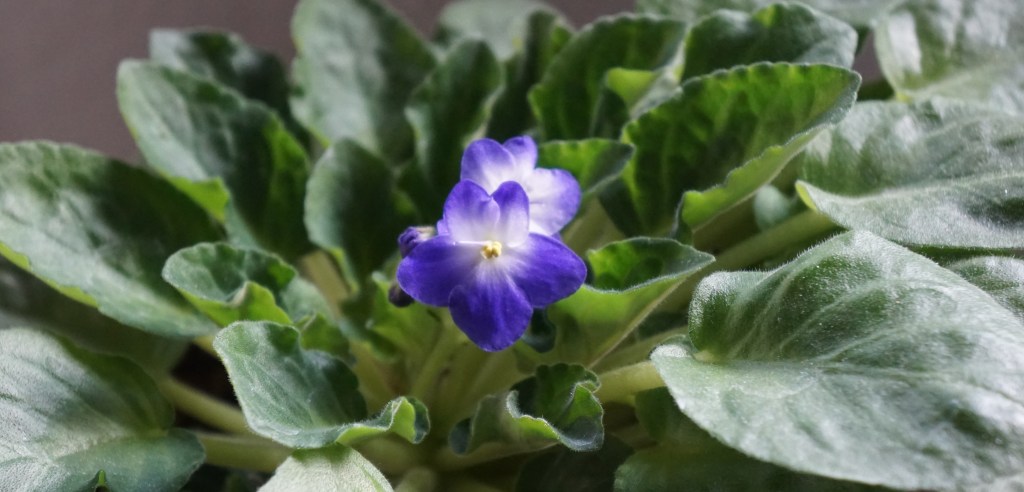
Grief appears on regular days too. It leaves little reminders to certify our humanity and frailty. It lingers in the cool air and warm sunshine of a spring day. It hangs in the lyrics of an old nostalgic tune, I’ll Be Seeing You, sung by Peggy Lee. It grows on the window sill in the perennial bloom of an African violet.

It’s been eight years since my mother died at age eighty-nine. January 26, 2013 was a bitter morning in the Chicago suburbs, meteorologically and personally. About 2 a.m., my sister Diane called with the news.

Immediately, Tom and I bundled up and drove twenty miles south (from our home in Mount Prospect to Mom’s third-floor apartment at Brighton Gardens in Wheaton, Illinois).

That morning I kissed my mother’s forehead and patted her hand one final time. As my husband and I left the building, a full moon dominated the frozen sky.

Grief moved in with us that day. At the time, I didn’t know it would repurpose itself and transform from a stone to a familiar fog to a blanket of possibilities.

But grief is cagy. It can be an enemy or an ally. It became my muse, the catalyst for my creativity. With grief by my side, between 2014 and 2016, I wrote and published From Fertile Ground.

Over the past five years, friends, acquaintances, and readers I will never meet in person have posted heartfelt reviews. They have told me how the story of my grief–and my grandfather’s and mother’s written legacies–helped them examine their lives, process their sadness, and restore some semblance of hope.

Writing the book was my catharsis too. Like the final line from the Peggy Lee tune which describes my feelings of loss perfectly–“I’ll be looking at the moon, but I’ll be seeing you”–the pages of my book are permanent evidence of the grief I felt, which diffused with the passing of eight years. On days when I need confirmation of what 2013 to 2016 felt like, I can pick up my book and remember.

After our wise, nature-loving mother died, Diane did a kind thing. She divided up Mom’s African violets–one a shade of pink, the other a purplish blue–for the two of us to carry forward and display in our respective homes.

The plants originated in St. Louis in the 1980s or 1990s. They traveled to the Chicago area with Mom in 2004 when she moved north to be closer to us in her final years.

In July 2017, when Tom and I left Illinois and moved to Arizona, we wedged them in a laundry basket in the back seat of our Hyundai Sonata. Ultimately, we deposited them on our southern-facing window sill in Scottsdale.

In 2019, the pink African violet died, but the lone one is a survivor. It captures the warm rays of the Sonoran Desert sun. It blooms every winter and has chosen this week–eight years after Helen Johnson left the world–to dazzle us once again.

When I examine the vibrant blues and greens the plant offers, it eases my mind. It reminds me that memories of the mother I loved and her lasting impact are never far away. That the mind-numbing initial waves of tears and grief led me to a softer reality, which is bearable, tender, and life affirming.

Even as we wander in the dark through the depths of this global pandemic, there is strange comfort knowing grief will always be there in some form or another to acknowledge our past, present and future losses. Because if grief never appeared, we would discover a harsher reality … that we never loved at all.

Thank you, grief, for filling the void. I’ll be seeing you.

A New Day in History

As a memoir writer, I usually look for clues from the past to enlighten the present. Or signs from nature, such as the cottonwood trees, which I gravitate toward on my walks on the edge of the Desert Botanical Garden. Even in mid-winter here in Arizona, they cling to their brown autumn leaves as they touch another blue Sonoran sky.

No matter what happened yesterday or the day before — or which leaves hold on, fall, or decompose in the desert sun — January 20, 2021 is a day unto itself. It is a twenty-four-hour period filled with residual pain and new possibilities.

Despite the intense security required in Washington, D.C. to stage the inauguration of our forty-sixth president, the deed is done. Joe Biden is now our president; Kamala Harris our vice president. She is the first woman — the first woman of color — to hold this high office. That is something grand to celebrate.

Yes, the years, months and days leading up to this have been marred by a failed presidency, political upheaval, social distress, a January 6 insurrection, and the awful reckoning of more than four hundred thousand lives lost in the United States in one year to this pandemic.

But the light flickering in the sky above the cottonwood trees on this day feels different to me. The atmosphere on the steps of the U.S. Capitol is also new. There is unity in the messages, diversity in the images, and poetry in the air.

Finally, at least for one day, we have something to be proud of again as a nation. It is a new day in history.

From Crab Apples to Lemon Trees

In June 1962, a month before my fifth birthday, I stood alone outside the west wall of my brick childhood home. I wore my high-top Keds and cargo shorts with crazy pockets. The wind raced past my crew cut.

Our three-bedroom ranch in south suburban St. Louis appeared identical to two dozen others in the neighborhood, except ours featured a flowering pink crab apple tree with stair-step limbs I loved to climb.

In the shade of the branches, a clear thought jumped to the forefront of my brain. “I am different. I have important things to say.” The idea lingered and swirled through my consciousness.

As I look back at that vivid memory—one of my earliest—I must have recognized I was unlike most of the other boys. At that young age, I must have known I was gay. I must have begun to identify a need to share my thoughts and tell my stories one day.

Since that moment, I have lived at least four lives—shaped by local geography—and written four books. I have played in the red earth of North Carolina, navigated the rolling hills of Missouri, survived the flatlands of Illinois, and discovered the peaks and valleys of Arizona.

I never imagined I would live and write in my sixties in the rugged landscape of the Sonoran Desert, but the trail of life has led me here to the threshold of publishing my fourth book, I Think I’ll Prune the Lemon Tree. It will appear on Amazon (in paperback and Kindle versions) in late January or early February. Of course, once it is available for purchase, I will let you know.

In the first three years of my Arizona residency—2017 through 2020—the Grand Canyon State has enriched and shaped my life with natural beauty, profound uncertainty, and joyful humor. My goal was to reflect all three in this book, and develop a larger narrative about a gay man and his husband fulfilling their dreams, reflecting on their experiences, hoping to survive a global pandemic, and aging in a bold landscape.

If you are drawn to the themes I explore here on my blog and in my books—nature, family, community, heritage, human rights, humor, love, loss, health, truth, diversity, and creativity—I think you will enjoy reading my latest book.

Of course, nearly six decades have passed since I stood by that flowering pink crab apple tree I loved as a child. It has been replaced by the citrus trees that surround Tom and me in our sixties in our Scottsdale condo community. But the value of memory and storytelling is that I can remember the most important trees, past and present. I can choose to honor each of them.

Little did I know that one day a luscious lemon tree, thirty feet outside my front door, would inspire me to write and share the broader stories of my Arizona life.

The Christmas Star

Jupiter and Saturn owned the winter solstice sky tonight over Phoenix. About 6:30 p.m., Tom and I were fortunate to capture the duo shining side-by-side, forming the Christmas Star between two saguaros in Papago Park.

As we prepare to say goodbye to the pain and heartache of 2020, there is no better way for me to wish you and your family a healthy and happy Christmas and a new year of hope, peace and bright possibilities.

December Revisited

Sonoran Desert December days dazzle. Gone are dreary skies, icy gusts, swirling flurries, clanging Salvation Army bells, and busy Windy City sidewalk years wearing topcoats and backpacks. Still earlier, shedding St. Louis jackets and stocking caps. Hanging them on cloak room hooks before school started. Dreaming of holiday cupcakes and Santa’s flight trajectory.

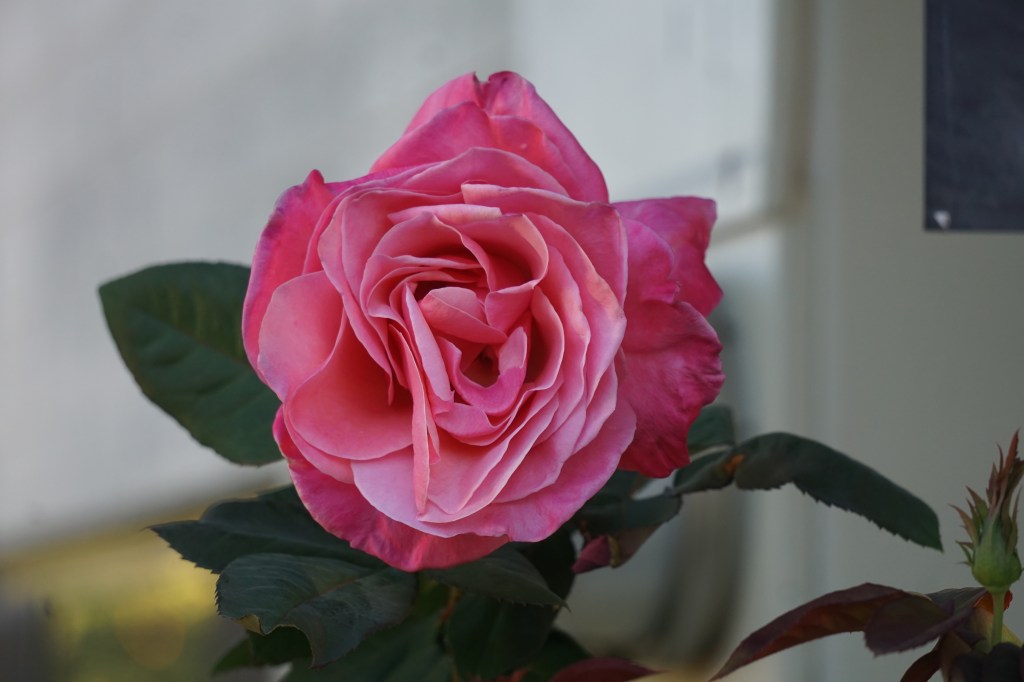
Arizona’s anonymous set designer has replaced them. Sparkling sun burns off the chill of the morning. A neighbor’s pink rose blooms and brightens the walk. A flock of chirpy lovebirds dash away on cue like pent-up kids scampering out the door for recess. Playful palms shimmer and brush the sand from the sky. Granting the splendor of December revisited.

The Cottonwood Trees

Four-thirty on the last Sunday afternoon of November. Sliced turkey breast, roasted root vegetables and ramekins of mashed sweet potatoes and cranberry sauce await in the fridge. Remnants of a holiday weekend.

Neither Tom or I feel like cooking dinner. We exercise and write instead. We will rely on the convenience of leftovers as sun-crafted silhouettes dance across the windowsill of our sunroom.

I just completed an hour-long walk along the Crosscut Canal that winds through Phoenix. I’m one of the lucky ones. Healthy (so far, at least). Thankful for the love and companionship of my husband. Close to a wide open outdoor space.

Today I walked the Crosscut Canal alone. It was just a few bicyclists, joggers, hikers, fishermen, and me. Scattered along the Papago Park trails. Some folks wore masks. Some didn’t. There was plenty of distance between us.

On the way back to our condo I paused to admire a group of cottonwood trees on the other side of the fence. They swayed near a shallow pond inside the Desert Botanical Garden. Brittle from the drought. But still they survive.

The cottonwoods have become a benchmark for Tom and me. Majestic, tall reminders of life on the edge. “Let’s walk to the cottonwood trees and back.”

Today as I strolled past them, their shiny yellow and green leaves flickered in the fading Sonoran sunshine. I shaded my eyes and gazed up looking for reassurance beyond the breadth of their branches. It was the same comfort the cottonwood trees provided in March, May, July, September and October.

I left the canal path with the certainty that the cottonwood trees will be there in December and beyond. Because that’s what nature does. It endures past holidays and pandemics. It reminds us to do the same.

On Our Path

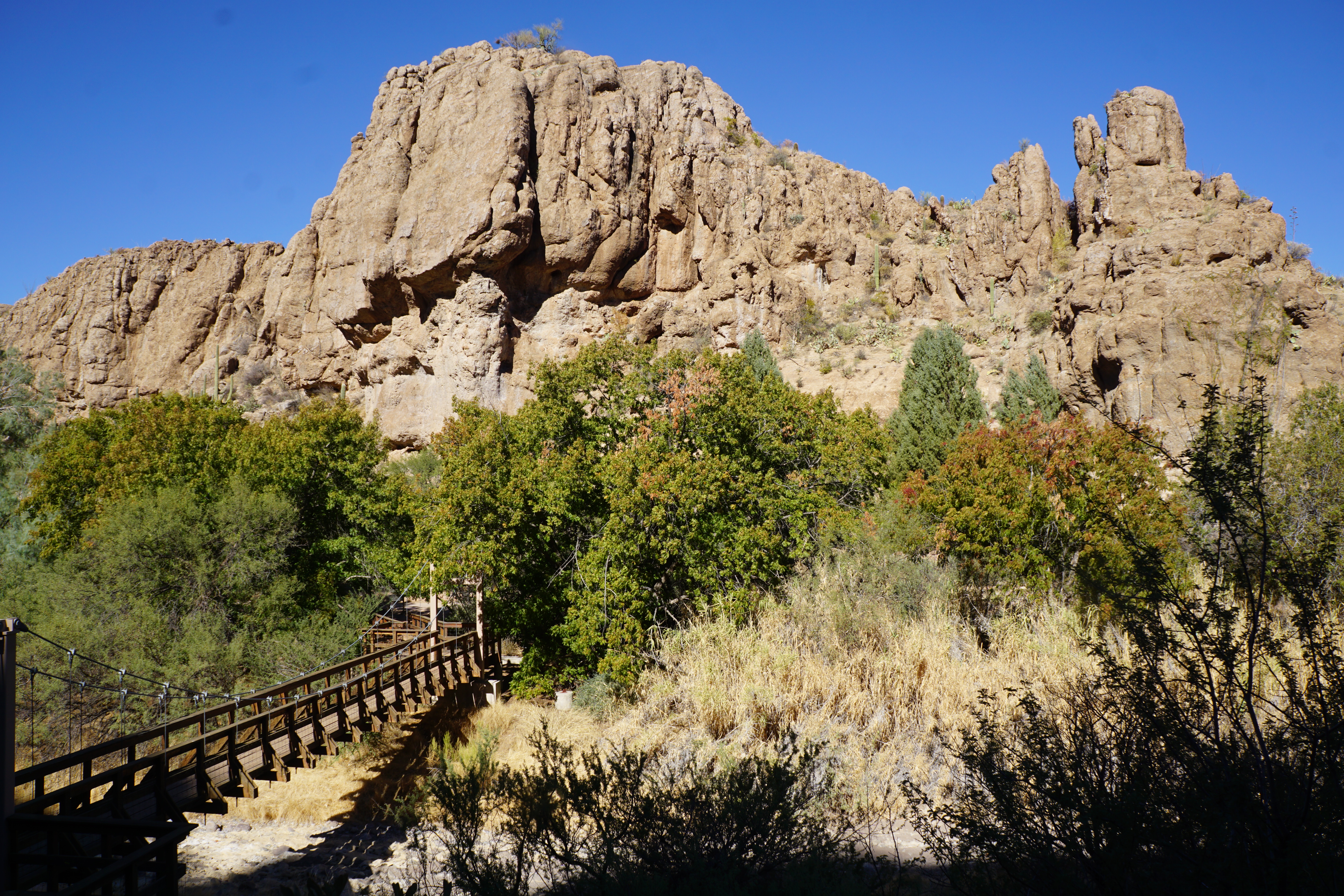
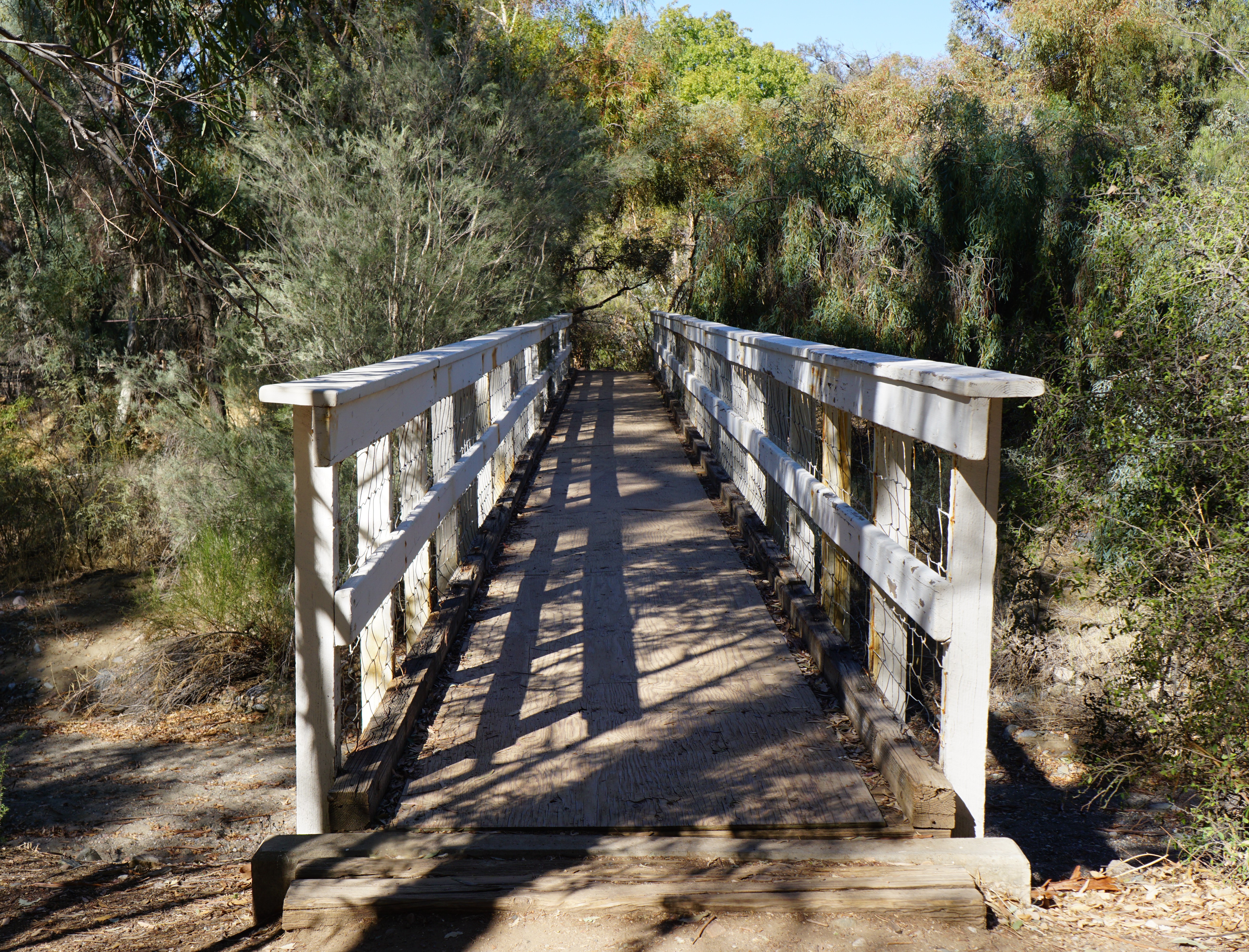
She whispered November, though each step spoke September. No grey to brighten. No chill to thaw. Only cerulean skies. Proud pomegranates. Lonely lizards. Fading roses. Towering eucalyptus trees. Swaying suspension bridges.

In her Arizona embrace, we stood by banks of dusty monsoon memories. We crossed dry creek beds flowing with tears. We shielded our eyes from the sun. We moved ahead on our path. We listened to the language of lingering leaves.

Escaping the Labyrinth

It’s my sister’s birthday. Soon she will open the card and presents we sent her. I will call her later today to wish her well. To tell her I love her.

Like every relationship, ours has had its ebbs and flows. But Diane and I are the only ones left from our family of origin. The only ones who remember the best sounds of our St. Louis childhood–Dad slurping his breakfast beverages through the overflowing Coffee Hound cup we gave him or Mom sifting red and green sprinkles on sugar cookies shaped liked reindeer, candy canes, stars and Santas.

After our mother died in 2013, Diane and I each retreated into our individual darkness. We had worked together closely to care for her during her final years and months, but after Mom was gone I wasn’t sure we would escape the labyrinth of pain and grief or come out the other side whole. It wasn’t that I doubted our love, but we both had to find our personal paths to heal from the devastating loss.

For me that meant writing about it and sharing my observations in From Fertile Ground. Diane wasn’t keen on the idea. She preferred privacy. This difference between us–and the resulting grief-induced friction–was unexpected for me, but with time I realized I needed to respect my sister’s point of view. To this day, she rarely reads what I write.

In June of 2017, right before Tom and I left Illinois and moved to Arizona, Diane drove from her suburban Chicago home to visit with us on our backyard deck in Mount Prospect. I decided to give her the concrete birdbath that had been Mom’s, hoping it would remind her of the shared love we had for our nature-loving mother.

A few weeks later–on the way west–I landed in a St. Louis hospital after a heart attack. I called my sister to tell her what had happened. To hear her voice. To hear her love. That conversation was the turning point toward greater understanding.

In early September, Tom and I received a card from the American Heart Association in the mail. To acknowledge Tom’s and my sixth wedding anniversary, it told us Diane and Steve (my brother-in-law) had made a donation to the organization.

After I opened the card and wiped the tears from my eyes, I realized Diane and I had escaped the labyrinth of grief. Our relationship had emerged on the other side of the shadows. There was light on the horizon.

Rain

On the first morning of autumn, September’s long-forgotten-and-seldom-seen sister dropped in from beyond the buttes.

Unreliable rain interrupted an eight o’clock swim. She had ghosted us all summer. Promised her return. Teased us with phantom forecasts.

She stayed for ten minutes. Long enough to soothe freckled shoulders, heal parched souls, and cast a creosote cocktail over the palms.

Her intoxicating personality was the change we needed to silence the sameness. To swim and dance again under the clouds of our desert dreams.