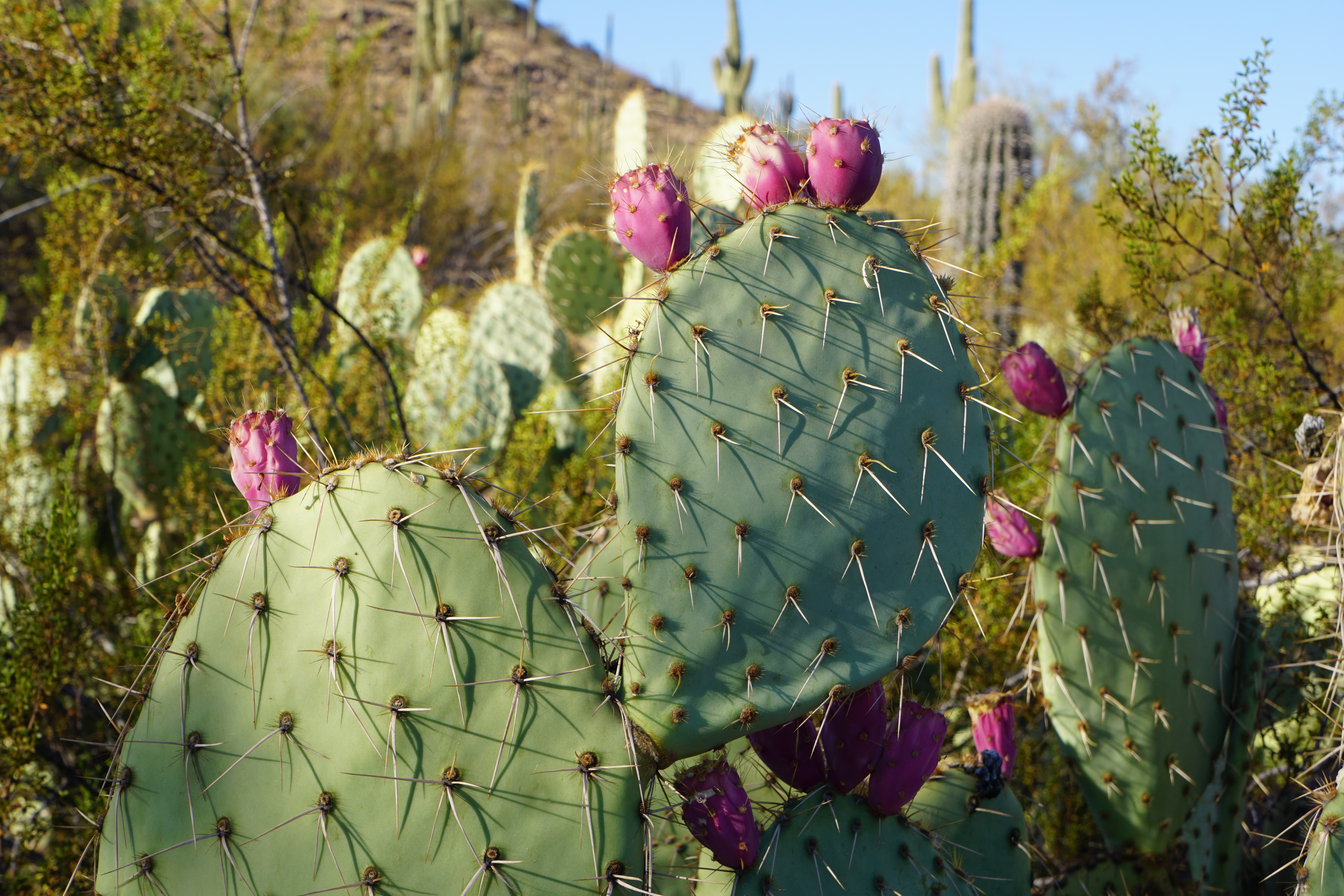
As we hope for truth and justice to return, serenity awaits in the garden.


As we hope for truth and justice to return, serenity awaits in the garden.


The 1990s were a tumultuous decade for me. I survived a divorce in 1992 and my father’s death in 1993.
Beyond those two cataclysmic personal events and my desire to remain a constant force in the lives of my young sons, I struggled with the elephant in the room: how to love my emerging gay self in an often uncompassionate, unaccepting and unenlightened world.
In my thirties and early forties, the risk of being rejected by my family and friends–because of who I am and who I love–produced monumental anxiety and fright. It tore at the fabric of my sense of security and belonging.
Slowly, with the support of two skilled therapists and a small circle of trusted friends, I came to realize that I needed to come out to my sister, mother, sons, colleagues, friends and neighbors to grow and flourish as a human being.
There was fallout from my decision. Some ex-friends dropped me along the way. But with time, patience and understanding, the people who mattered most in my life adjusted. They loved me more for being me. As a late bloomer, I discovered an authentic life.
After I came out to my mother over the phone in the late nineties–I lived in the Chicago area; she lived in the St. Louis suburbs–she wrote me a letter which I included in my book From Fertile Ground about my journey after her death.
“My main concern is how very difficult your life is and has been because of your sexual orientation. That is a big load to carry. Thank heaven you can now share it with those who love you!”
Remarkably, after this breakthrough, our relationship grew. It became far more genuine and meaningful. With time, I introduced her to Tom, my future husband. She learned to love him like a second son.
Today, on National Coming Out Day, I’m sharing this story with the hope that at least one person (someone struggling with sexuality or gender identity) will feel less lost and less alone.
If that is you, I encourage you to breathe deeply, find professional support if you need it, trust your instincts and–only when you are ready–come out. Live authentically. Find your true life. The truth will set you free.
One more thing. Be prepared to continue coming out every day for the rest of your life, because even though you would prefer to sky write the words “I am gay” for the world to see at the same moment, life is never static. Plus, you can only change hearts and minds if you are visible and unrelenting.
In late October 1997, I traveled from Chicago to Cleveland to co-facilitate a diversity training course for managers of a large financial institution.
Charles was the lead consultant on the project. We had teamed up before. He was black and straight. I was white and gay.
I felt inspired, watching him begin the session, explain the merits of an inclusive workforce, and preach the business rationale for embracing diversity.
The idea was to challenge the bank’s managers to respectfully acknowledge and maximize the differences of employees: skin color, gender, sexual orientation, disabilities, religious and cultural beliefs.
By maximizing the mosaic of its differences, the company would be better equipped to create a more collaborative, welcoming culture that would produce happier employees who could more effectively understand and reflect the needs of diverse customers. I believed every bit of it. I still do.
Charles’ dark skin color was obvious, but perhaps my sexual orientation wasn’t. I typically didn’t divulge my gayness, unless the training warranted it.
At one point, a male manager stood up. He said he believed gay people were immoral. He thought they didn’t deserve respect or equal treatment.
The room of forty managers and two facilitators froze. Somewhere inside, despite my anger, I mustered the words and focus to break the silence and challenge his thinking. Essentially, I said something like the following:
“I’m gay and I don’t believe I’m immoral. I can assure you there are lots of gay employees you work with you, who feel the same way. If they don’t feel respected here, they’ll take their talents elsewhere.”
The manager sat down and mumbled a few comments under his breath. The training continued. Charles smiled. He took the training reigns and proceeded without missing a beat.
It was a watershed moment for me in my personal development and professional life to have the opportunity to defend myself–all LGBTQ people, really–and feel the support of a trusted colleague.
In 1997, I never imagined that one day I would live in a country where it would be legal for two men or two women to marry each other. I never imagined I would have the opportunity to marry the man I love. But, remarkably, it happened.
On September 6, 2014, Tom and I were married before about sixty of our family and close friends. It was a shiny, crisp afternoon in Illinois.
Our sisters walked us down the aisle. Though she was ailing, Tom’s mother made it. She wore the paisley silk scarf we bought for her in Florence, Italy.
Tom and I were surrounded by sunflowers, smiles and a few tears that day. Six years have passed. Though all four of our parents have been gone for five years, with every passing season–with every highlight, loss or moment of vulnerability–our love has grown deeper. I’m thankful for that.
Despite marriage equality in the United States, we now live in a country with a president who believes it’s “un-American” to be different. A few days ago he directed the White House Office of Management and Budget to prevent federal agencies from spending money on diversity training.
I don’t know where this chapter in American history will lead us, but I have faith this dark period will end soon. We are a country founded on the notion of life, liberty and the pursuit of happiness for all of its people.
Even with all of the hateful comments of the past four years, I think the majority of Americans still believe in freedom and equality. We’ll find out in November.
As a suburban white kid of the sixties, growing up in the segregated St. Louis area, I had no black classmates, teachers, acquaintances or neighbors. Until I went to college (and more so as I built adult relationships with black colleagues and friends), my only first-hand experiences with black people occurred while riding a city bus, tuning into the latest episode of Room 222, swimming in a public pool or watching Bob Gibson and Lou Brock play ball from the bleachers of Busch Memorial Stadium.
I’ll admit it, as I wrote that previous sentence, it felt very odd and constricting … even shameful. But this was the world I came from. Occasionally, at family gatherings, one of my uncles would take a puff from his nasty cigar and proceed to talk about “blacks moving into the neighborhood.”
As a boy, that kind of hateful rhetoric and the smoke hovering in my parents’ living room brought tears to my eyes. As an adult, it still makes me sick to my stomach. Unfortunately, at the time none of the other adults spoke up. I felt like I wanted to run out of the room, but I didn’t. I knew what he said was wrong. It was racism. It was painful.
Moving a few years ahead, maybe on some level I also thought “if people are saying bad things about black people just because they have a different skin color, what will they say about me if I tell them I’m gay?”
At times, it was a claustrophobic life of placating those who were the most vocal. Denying your true feelings. Walking on egg shells to keep the peace. Sadly, it was only a more distant chapter of simmering anxiety and poor race relations than the one we know well today.
On a personal level, I was able to learn and grow from it by honoring my own internal compass, broadening my experiences, meeting new and different people, traveling to new places, keeping an open mind … even for a time co-facilitating diversity training as a consultant and challenging managers and employees to draw from the strength of their differences rather than rejecting them.
Fortunately, both of my parents were decent people. They instilled in me a value of simple living. Caring for the disadvantaged. Saving for a rainy day. As a result, on some level, I’ve always identified more with the “have-nots” than the “haves”. It pains me to see people flaunt their advantage … their white privilege, their economic status, their lofty and meaningless titles.
Despite my limited experience with diverse people in the 60’s and 70’s, I was always comfortable sitting in the bleachers with Dad and the masses–mostly poorer black and white blue-collar workers–rooting for our hometown St. Louis Cardinals. Besides, it was all Dad could afford.
I recall one night. The Los Angeles Dodgers were in town. It was a close game. I don’t remember the score or the outcome, but the bleachers were full and Dad and I were in the middle of a buzzing crowd. Between pitches, I asked him why some of the black patrons, ordinarily faithful to the Cardinals, were cheering for the Dodgers.
“It’s because of Jackie Robinson,” he said. “Back when the Dodgers played in Brooklyn, he was the first black ballplayer in the Major Leagues. Ever since then, some black people are loyal to the Dodgers. They opened the door for others to follow.”
Now in 2020, with the recent murder of George Floyd and the ensuing nationwide protests and general mayhem and destruction, I’ve been thinking of this Jackie Robinson moment with Dad. How little I knew of the plight of black people back then. How much more I know now about loving other people no matter their skin color, speaking up for your rights, voicing your views, and demanding justice.
I’m not condoning the opportunistic looting in cities around the country, some of which we’ve seen here in Scottsdale, Arizona. But, in honor of George Floyd’s life and of many other black men and women who have died needlessly before him, we must find a way to heal as a nation.
We must acknowledge that racism in our society exists just as it has for a long time. We must listen to the “have nots” of our world. We must read more and follow the teachings of history and science.
We must elect leaders, nationally and locally, who will advocate for the rights of all Americans … no matter their skin color, cultural heritage, sexual orientation or religious beliefs.
Our future as a nation depends upon it.