Reentry

On Tuesday, April 26, 2022–the day Vice President Kamala Harris tested positive for Covid without symptoms–I did too. But with symptoms: fever, headache, congestion, and fatigue.

Ironically, it was also about the same time Dr. Anthony Fauci declared we had crossed the pandemic bridge and entered an endemic world, where the disease rate is at an acceptable or manageable level.

At that moment, I don’t think I believed him. There was nothing acceptable about the situation for Tom or me. As you might suspect, my husband soon developed the same symptoms.

For the following week, Tom and I took turns playing nurse, while pumping a flurry of fluids, acetaminophens, decongestants, and attaboy encouragements.

We slept sporadically, texted my sons and our sisters, cancelled plans with friends reluctantly like two men waving from a desert island, and zapped each other endlessly with our digital thermometer–up to 102.3, down to 99.6, up to 101.2, down to 100.2, finally back to 98.6.

We rode out the storm together, quarantining in the privacy of our cozy desert condo. Two kind friends left wonton soup outside our front door, as they were dealing with their own trauma of repairing their car so they could drive east. Back to their home in New York.

Another sweet neighbor placed a bar of chocolate on the mosaic tile table between our two wicker chairs. I snatched it as soon as she left. She knows about Tom’s dark chocolate addiction and my wedding vow in 2014 to keep him supplied with a bottomless supply of it.

Through it all, I think you could characterize our Covid cases as mild, though my anxiety flew through the roof for seven days. I shuddered to think what the outcome might have been.

What if we hadn’t been fully vaccinated and boosted twice? What if I could never see Tom’s smiling face again or gaze into his beautiful blue eyes that nearly match the bluish-gray t-shirt I gave him that doesn’t fit me anymore?

***

About a million Americans have died of Covid complications.

We are two of the lucky few. But this isn’t a story about luck. It’s about truth and science.

The vaccinations we lined up for protected us, kept us out of the hospital, and forestalled any notions of two more premature deaths. By following the science and getting inoculated, we dodged two bullets. The universe rewarded us exponentially by giving us more time together.

This morning it feels like we are both back to normal. We’ve been symptom free for several days. We returned to the gym for the first time in nearly two weeks. I mounted the treadmill. Tom opted for the elliptical. I smiled as I watched Tom exchange his hellos with a community of patrons and familiar faces.

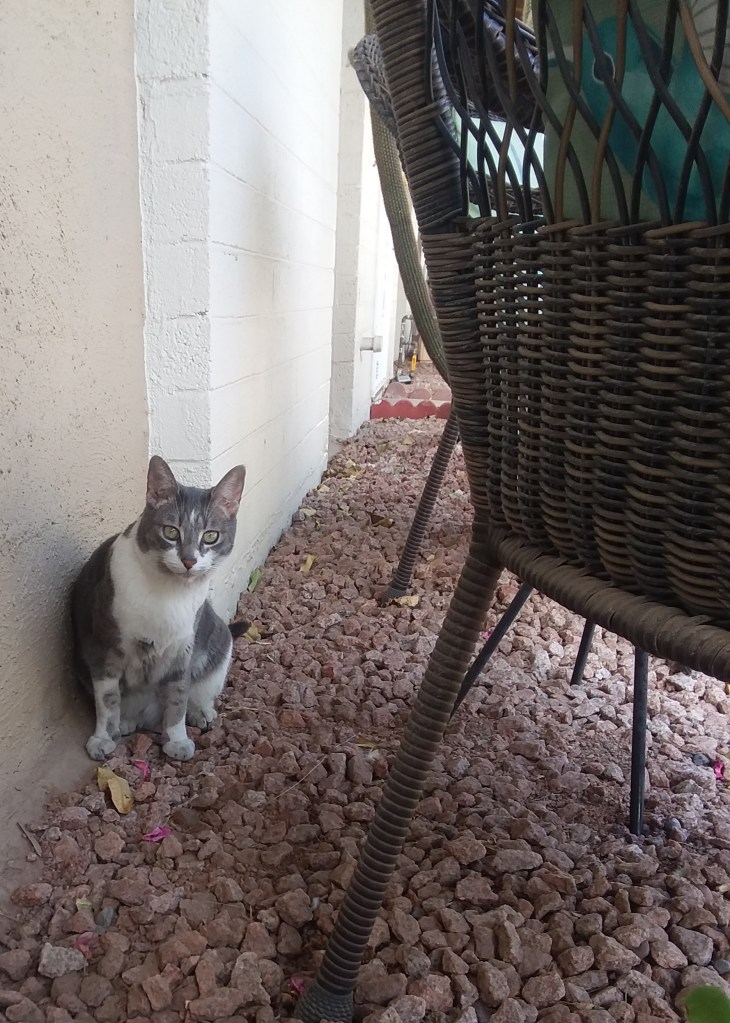
But earlier in the morning–when I leaned out the front door to water our succulents under the fig tree–there was a defining moment with an extraordinary animal, which I won’t soon forget.

Our feral friend Poly, the community cat that has lived on the fringe of life for a long time, meowed and came closer to me than she ever has. After a brief photo opportunity, Tom handed me the bag of cat treats and I sprinkled a dozen or so on the sidewalk.

Once I closed the door, Poly left the shelter of our eaves–safe in her own moveable, quarantining bubble–and approached the kitty kernels.

Unceremoniously, she glanced up at me as if to say, “I understand how you feel, all worried and frayed. But you’ve made it through. You’ll get by. You’re a survivor. Just like me.”
324 and More

Today marks four years since I began my blogging adventure and obsession.

When I launched this website May 4, 2018, I wanted to promote my books and develop a greater literary presence online. Over time, that goal has been superseded by a desire to share topical stories about the extraordinary, meaningful moments and people that cross through one ordinary life.

It’s been no simple task nurturing my creativity in this chaotic world. Blogging has given voice to my memories, ideas, values, observations, and opinions. More than that, in my sixties it has become the organic structure I need to stay sharp, sane, hopeful, and whole.

Most definitely, blogging was my salvation during the height of the pandemic. The whimsical and serious tales I spun at my laptop became fodder for my fourth book about two gay men forging a new life in the Sonoran Desert.

This post is #324. That’s an average of eighty-one stories per year or nearly seven each month. Written at all hours of the day and night. Concocted in all sorts of moods: happy, sad, angry, reflective, devastated, and triumphant.

Thank you for joining me on this circuitous journey. If you follow me, you know I often share poetry. Frequently, I like to include photos that ignite and inspire an idea that might otherwise never have surfaced.

For nearly thirty years, I’ve written poems and stashed them in an expanding file. It’s a body of work that encompasses the highs and lows of six-and-a-half decades and chronicles the profound role nature plays in our everyday existence.

As I approach my 65th birthday in July, I feel an impulse to publish a collection of my most vivid poems. Would such a chapbook interest you? As you ponder that question, I hope you enjoy reading this verse.

When I wrote it May 7, 2016, Tom and I were Midwesterners–more familiar with blooming iris and peonies than spiky cacti and monsoon rains.

As an Illinois resident on the threshold of more change than I could imagine, I wanted to remember the imagery of past Mays.

My, our world has changed.

***

May’s Bouquet

Arriving welcome, clean and fresh, reflecting skies grow amorous.

Crisp at dawn, bursting through, captured by a mother’s view.

Blooming iris, sweet repose, ducklings lined up in a row.

Bounding blooms, fast and pure, veiled peonies pink allure.

Reaching high, bred for speed, stretching out to take the lead.

Calm til dusk, an even pace, ushered in the rain’s disgrace.

Gliding up, curling flow, blowing wishes afterglow.

Tempers flare, to dash away, majestic days of May’s bouquet.

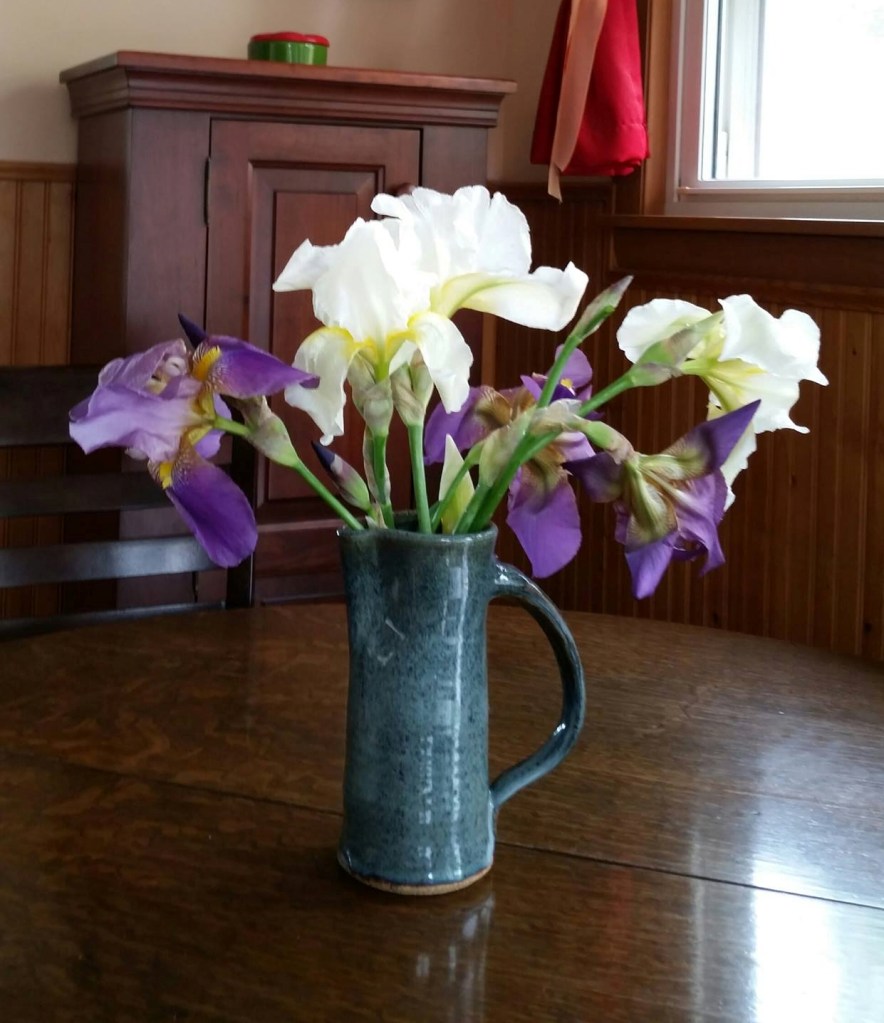
In May 2017, I gathered this bouquet of fragrant iris from our Illinois garden and placed it on our table.

Pivot Point

As friends flock north and east, mockingbirds replace them. Stationed high in palms, they announce April is ending. Below, something bright is blooming.

We have reached our annual pivot point. We teeter between welcoming warmth and undeniable heat. There is no turning back to milder yesterdays.

Even in this age of escalating temperatures and worries, nature reminds us we are strong survivors. In a vast, blurry land of thorny problems, we shine.

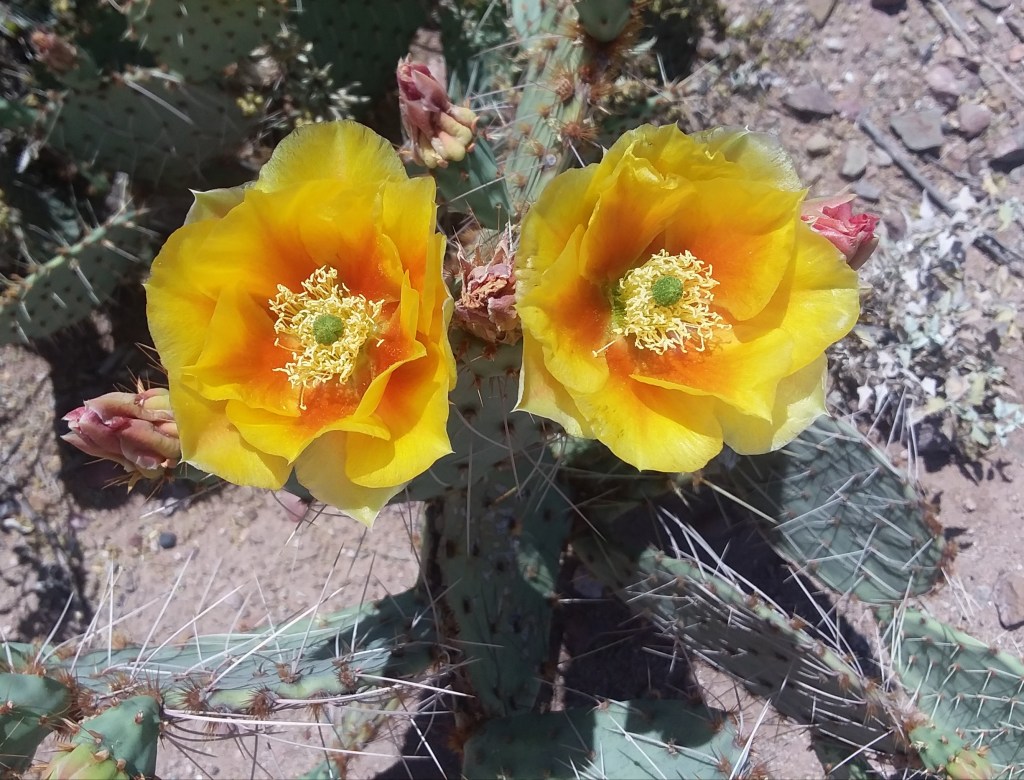
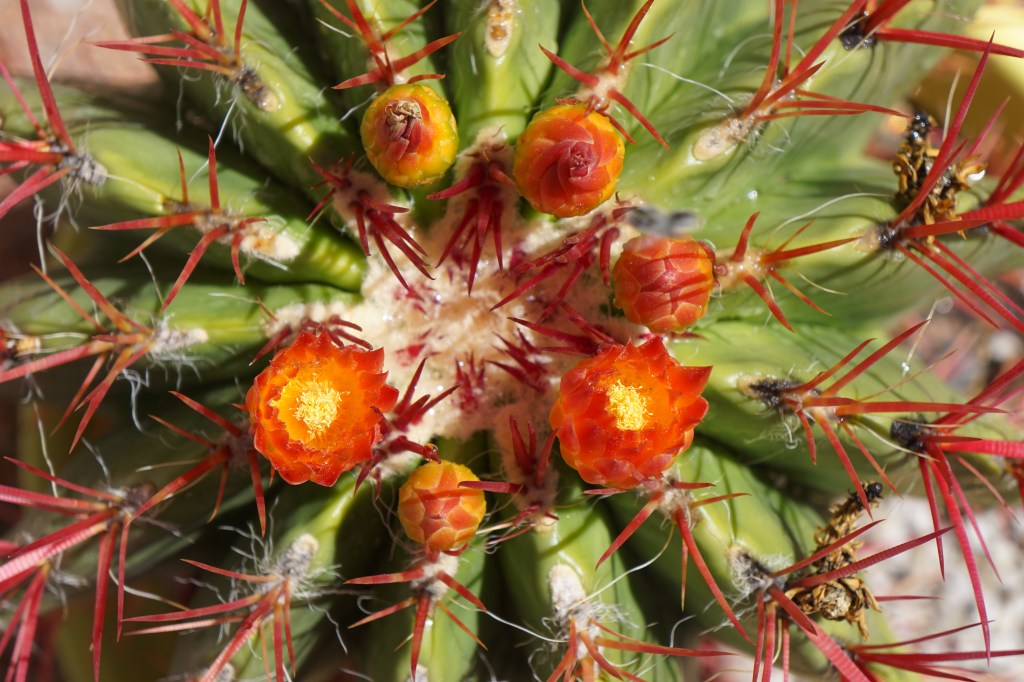
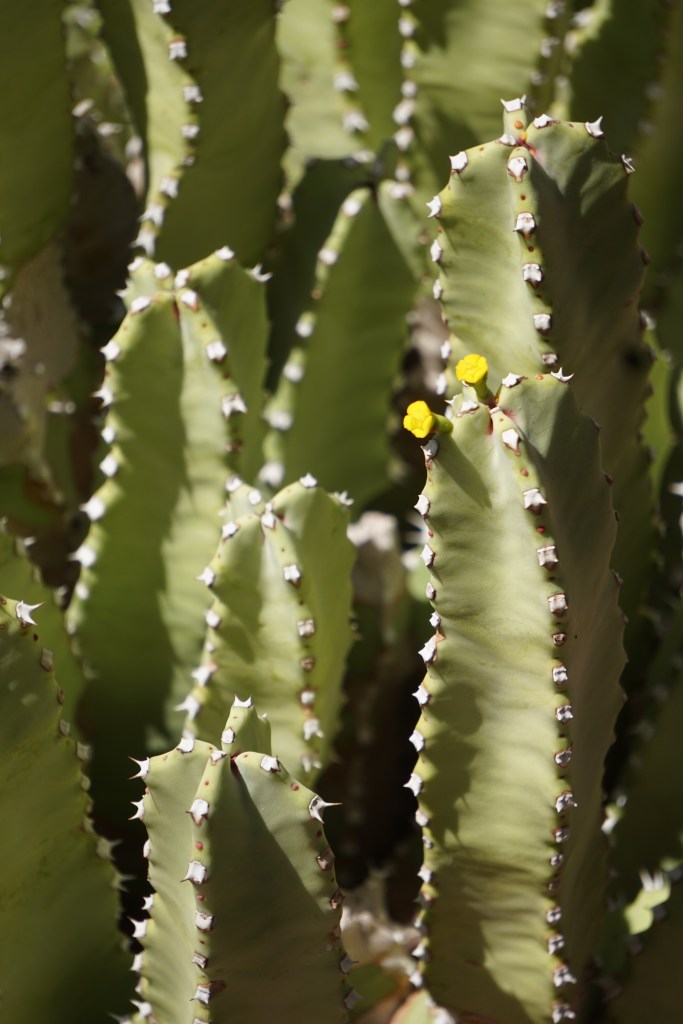
On April 28, 2022, the Moroccan Mound cactus outside our door bloomed for the first time.

Ablaze

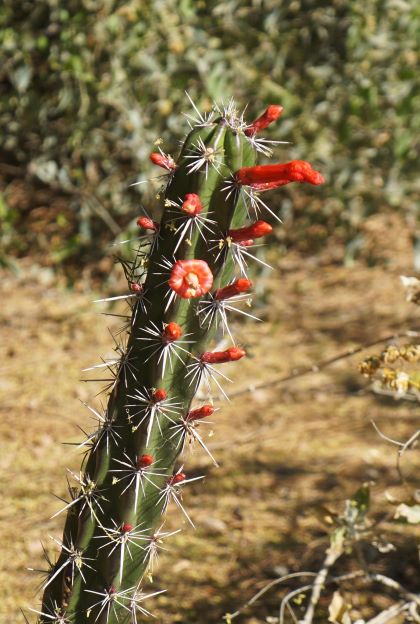
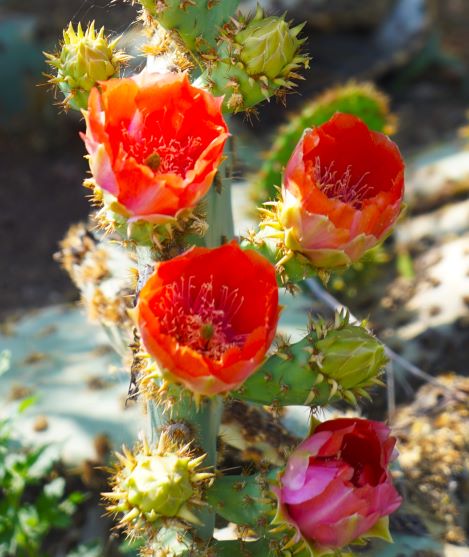
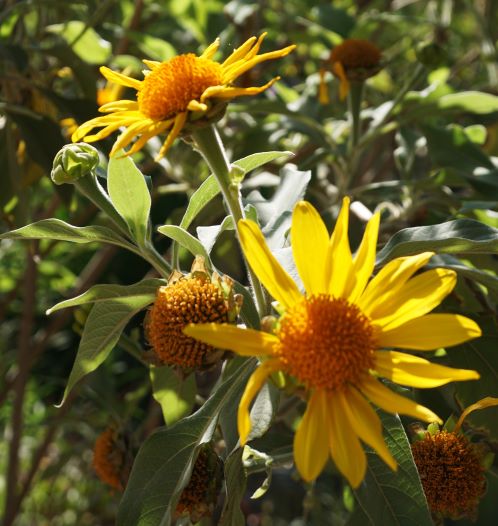
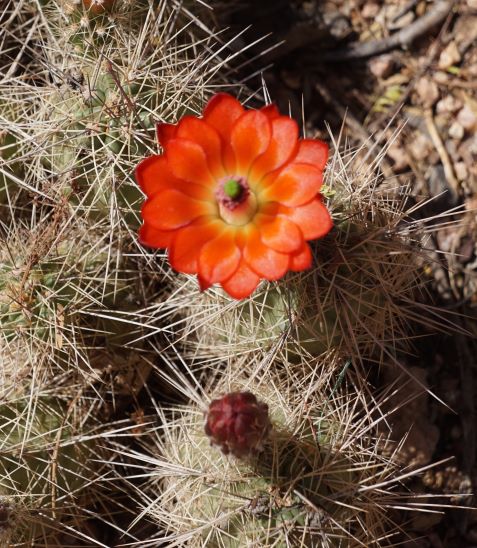
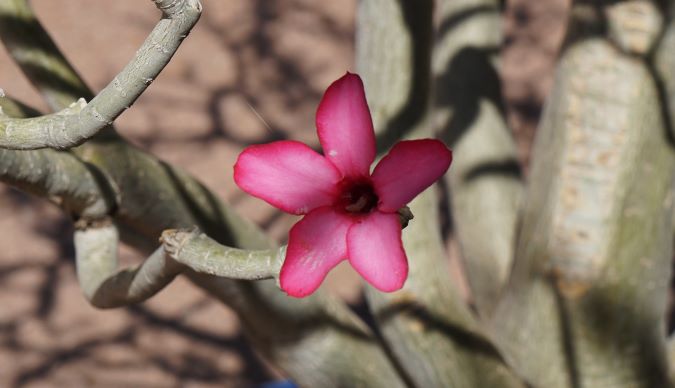
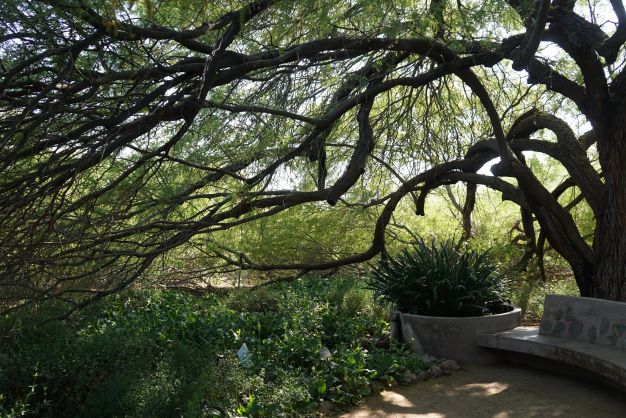
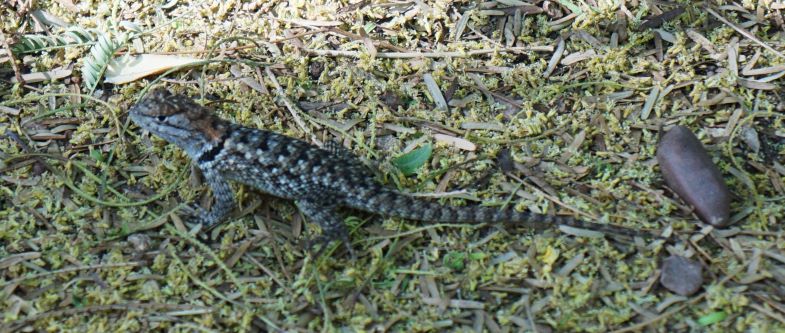
Through the weekend, the Tunnel Fire has burned 21,000 acres just north of Flagstaff, Arizona. But a few hundred miles south, the Valley of the Sun is ablaze in a kaleidoscope of color. In April’s final week, blooming wildflowers, cacti, and desert roses–and a resilient reptile–answer an age-old question. Yes, despite our warming planet, rare beauty remains in the Sonoran Desert.

Reality Check

This morning it was seventy-nine degrees at nine o’clock. Perfect for a swim. Forty lengths of the pool kept me whole. David trudged along beside me for most of it.

My neighbor–about ten years my senior–strides through the fluid to stay strong. He has difficulty walking but can do it more easily in the water.

The buoyancy provides the resistance and support he needs to keep going. Whenever I see him there, we smile, and exchange “good mornings” and I admire his tenacity.

Age and vulnerability have been swirling through my mind lately. Part of it is simply the frightening world we live in. The other component is the knowledge that I will turn sixty-five in July.

Tom and I have already enrolled in Medicare. Our cards came in the mail last week. We will meet with a broker in the next few weeks. She’ll help us select a Medicare supplement plan.

I feel a weird combination of relief–for having made it this far–and anxiety knowing what tomorrow will bring. I imagine some of you who read this will understand that both feelings can coexist on a daily basis.

The crapshoot of advancing age affords us a degree of wisdom to spread around if we choose to … and the accelerating sensation that we are riding on a runaway wagon traveling downhill. We had better make the most of the wild highs and bumpy lows on the journey.

I’ve always considered myself a relatively patient and understanding person. An active listener too. Sometimes I lean too far out over the tips of my skis (no, I’m not a skier, but humor me with this metaphor) and push too far outside my comfort zone. Soon after, I realize I’ve extended beyond my emotional limits. That’s when I become brittle and abrupt.

I am more this way now than I was as a younger man. I don’t know why, but as I write this sentence, I remember seeing this quality more prominently in my mother as she aged.

I had a boss thirty years ago who liked me more whenever I revealed this cut-to-the-chase attribute. She came to me whenever she needed a “reality check.”

Melba enjoyed knowing that I was willing to bend to make things work. But she could count on me to tell her when all of us on her team were about to break or that the latest corporate flavor-of-the-month boondoggle sucked.

However, others who experience this trait are surprised by my forthrightness. Think of it as kindness turned callousness if you push me too far, especially if it involves someone I love.

Something sudden like that happened on Saturday. Tom and I were at the gym, doing our regular hour-long routines of ellipticals, weights, and treadmills. An acquaintance there, someone we see frequently, approached my husband. Tom was in the middle of his workout.

This individual (I’ll call him Gabe) has an odd-and-unsettling habit of telling Tom that he doesn’t like him. It started out as sort of a running joke between them. But over time the joke Gabe recycles has worn thin. Tom wasn’t in the mood for it Saturday. He told Gabe so.

A short while later, Gabe approached me. He knows Tom and I are a couple. Sheepishly, he leaned in to admit he thought he’d pissed off Tom. As my discomfort intensified, I continued to plod along on the elliptical. I tried to switch the subject with Gabe. I asked how he was.

I need to digress. Probably every time I’ve talked with Gabe (in the four years I’ve known him) he has bent my ear and told me his life is a shambles. He’s dealing with lots of significant issues I won’t go into here.

I feel compassion for him, so I’ve listened figuring things would one day get better. But they haven’t. In all of that time, I can’t remember him asking me about my life.

Anyway, Gabe left, but circled back later to tell me–again–how miserable his life is. In a flash, my patience vanished. I felt used. Disrespected. I took a breath. I knew I was way out over my skis. I needed to find a way to rescue myself. I was not the therapist he needs.

It was time for a verbal reality check between Gabe and me. Especially after what I had seen transpire between Gabe and Tom out of the corner of my eye fifteen minutes before.

The words that flew out of my mouth were something like “You’re not the only one with problems. Look around. Every person in this gym (I pointed around me) is dealing with shit.”

Gabe was dumbfounded. He told me to stay away from him. That won’t be a problem.

***

It’s been difficult for me to let go of this experience. I know that I was angry with Gabe for his behavior with Tom. On some level, I was defending my husband. But I also feel guilty for being so brusque with him. Clearly, he needs professional help.

At any rate, I need to own my part in it. I was tired of being a doormat for his bipolar banter. I felt I had to save myself.

If you’ve read any of my books, you know why. My father was a loose cannon. More aptly, he had intense mood swings and unresolved traumas from his WWII experience.

Around 1970, Dad was diagnosed as bipolar. This came after years of trial-and-error treatments, shock therapy, and prescription medications. Our family lived with his emotional illness for decades without answers or relief. At times, it was devastating. It was our dark reality.

As a child, I felt trapped in the same house with Dad whenever his outbursts would appear. He was intensely unhappy, and it spread to my mother, sister and me.

Frequently, Dad resorted to verbal abuse. Less often, physical violence. Throwing shoes at me. Punching his fist through a bedroom door. I was scared, but–at the same time–I loved my father.

Sometimes, even as an adult, these old issues reappear. Writing about it helps (and remembering the counsel of my own therapist) but maybe I will never entirely get over the feelings of anxiety from my earliest years. Maybe I will always live in fear of crash landing in a snow drift with my skis tangled and limbs broken.

Bottom line: it is my worst nightmare to be near someone volatile. Someone who has no boundaries. As uncomfortable as I feel about my exchange with Gabe, I had reached my limits with him.

In a world of sadness and pain, I couldn’t remain silent any longer. I had to speak my truth and restore my power. I think that’s what survivors do.

***

Here’s my reality check.

It’s 3 p.m. on April 19, 2022. The heat is on in Scottsdale, Arizona; it’s now ninety-seven degrees.

I’ll never snow ski; I’m too afraid of speed and broken bones.

Dad’s been gone nearly thirty years.

Gabe’s problems are his to untangle or not.

I have my own life to maintain and manage.

I am living in the Sonoran Desert with my kind husband.

We are the new recipients of Medicare cards.

Together we’ll see what the future brings.

It All Began in April

In this season of rebirth, I am reminded of my transformative journey that began five Aprils ago.

***

I should have known better. Life had taught me there was nothing certain about any journey.

I had already navigated the ups and downs of my St. Louis childhood, struggled along as a single dad, shed illusions of a straight existence in favor of an authentic life, and retraced the path of my mother’s life from fertile ground.

Yet, I didn’t expect the journey I was about to embark upon with my husband–waving goodbye to one home and resurfacing in another–would prove to be as circuitous.

By the fourth month of 2017, Tom and I had drawn up the details of our dream. We would sell our home in northern Illinois; escape the cold; move to Scottsdale, Arizona; and live in the desert permanently. We wouldn’t be denied.

It all began in April with the physical trappings of certainty. We were locked into a familiar pattern of cool and damp Lake Michigan air with only a ray or two of sun filtering through the clouds. But as we prepared to leave behind the permutations of our past, we also knew there was heavy lifting to be done.

Before we could leave the Midwest and say goodbye to our Illinois family and friends, we needed to sell our home in Chicago’s northwest suburbs.

***

What you just read is a portion of the prologue from An Unobstructed View. If you find yourself intrigued and pondering your own personal transformation, my third book will have special meaning for you. Download a free copy on Amazon through Monday, April 18.

One simple request: once you are through, please take a few moments to post your review.

Over the Barrel

Imagine what woodpeckers see when they drill in palms above, or mockingbirds as they whistle their tunes through news that clouds fair skies.

What unfolds is merely a sharp, silent slice–brave blooms by thorns–to inspire this story, to dazzle and penetrate those who dare to partake.

Georgia on My Mind

I have Georgia on my mind today. Not the Peach Tree state, but my peach-ice-cream-loving grandmother. April 7 would have been my maternal grandma’s 119th birthday.

Warm-hearted and hard-working, Georgia lived most of her seventy-one years in North Carolina.

In 1914, Georgia Evabell Miller met Sherrell Richardson (S.R.) Ferrell. Both attended a one-room school in Mecklenburg County. Six years later, they married at Georgia’s home in the same community. She was sixteen; he was nineteen.

A generation before I appeared, Georgia’s ordinary rural existence–tending to family, home, meals, and livestock–took an extraordinary toll on her body and emotional wellbeing. She bore four children: Helen (my mother) and Richard in the mid 1920s; James and Frances in the early 1930s.

In between, Georgia suffered a double whammy of grief and pain. Richard died of meningitis in 1926 one month before his first birthday. Not long after, cervical cancer compounded Georgia’s trauma. She was bedridden for an extended period. Helen grew up quickly and helped care for her mother.

Even with Georgia’s burden and her heavy body that contributed to arthritic knees and misshapen feet, my grandma maintained a girlish southern giggle into her late fifties and beyond.

In the summer of ’62, during one of our family visits to the farm, I absorbed the scene like a ready sponge as she prepared ham, grits, and biscuits for breakfast.

I loved Georgia and her jolly nature. As she toiled and told rambling stories over the sink, rolls of laughter shook her stout body. If she were here, she would describe it as the “gift of gab” handed down through her Irish descent.

Intermittently, she tossed table scraps and leftovers into a slop bucket for a trio of hungry hogs that waited impatiently in their pen.

On occasion, I accompanied her whenever the contents came close to sloshing over the sides of the dented metal pail. Together we squealed as the pigs poked their large snouts through wooden slats to explore what concoction was on the menu.

Like a southern-stitched patchwork quilt handed down through the generations to keep them warm, this moment remains cordoned off in my 1960s Carolina consciousness. It lives next door to Georgia’s humid hugs.

When I was a toddler, I begged for her to scoop me into the lap of her tattered periwinkle dress … churn butter or crank ice cream on the sagging back porch … venture into the earthen cellar where she stored pickled fruits and vegetables … or gather eggs from the chicken coup and cradle them in her apron on the return trip.

A victim of heart disease and decades of early mornings and long days working the farm, Georgia died nearly forty-eight years ago on July 4, 1974.

Two days later (after we drove through the night from St. Louis to attend her funeral), sprays of gladiolas surrounded her casket.

I can still envision the tacky floral arrangement–sent by a neighbor–with a plastic telephone teetering on top. Three words were written in ribbon: “God has called.” Ironically, my grieving grandpa loved it most.

Through our tears, Frances and I laughed about it. Georgia would have liked that and the image of my aunt and me consoling each other on my seventeenth birthday. We stood over her fresh grave in Huntersville, North Carolina, at a little cemetery outside Asbury United Methodist Church.

It was the center of the universe in “Ferrelltown”–where my southern family worshipped, married, gathered as a community, celebrated birthdays, consumed countless cakes and delectable pies, buried the beloved, and grieved for those who left early and stayed late.

***

Years later, it is the thought of Georgia’s gentility and kindness that endures. It is the love and laughter she planted in my heart that will never die.

As I began to write From Fertile Ground after my mother died–and later when I returned from North Carolina after another round of consoling with Frances and visit to my grandparents’ graves in the church yard–Annie Lennox’ soaring voice from her CD Nostalgia inspired me.

It was her stirring, melancholy rendition of the Ray Charles’ classic Georgia on My Mind that captivated me most. Listening to it, I channeled my grief and reconstructed my southern memories before they landed on the pages of my book.

Every child should be so lucky to spend a few weeks every other summer with a grandparent who simply smothers them with goodness and genuine love. That and the bucolic snippets of a farm populated with kittens, puppies, cows, chickens, pigs, and peacocks are forever stitched in my psyche.

When you add them all up, what do all these vivid memories mean? That in the course of any life, it is the collective music of a simple-but-extraordinary grandma’s unconditional love that keeps us hoping, that keeps us dreaming, that keeps us living, that keeps us singing.

Long after she is gone.

***

I said Georgia
Georgia
A song of you
Comes as sweet and clear
As moonlight through the pines
.

Other arms reach out to me
Other eyes smile tenderly
Still in peaceful dreams I see
The road leads back to you
.

I said Georgia
Oh Georgia, no peace I find
Just an old sweet song
Keeps Georgia on my mind.

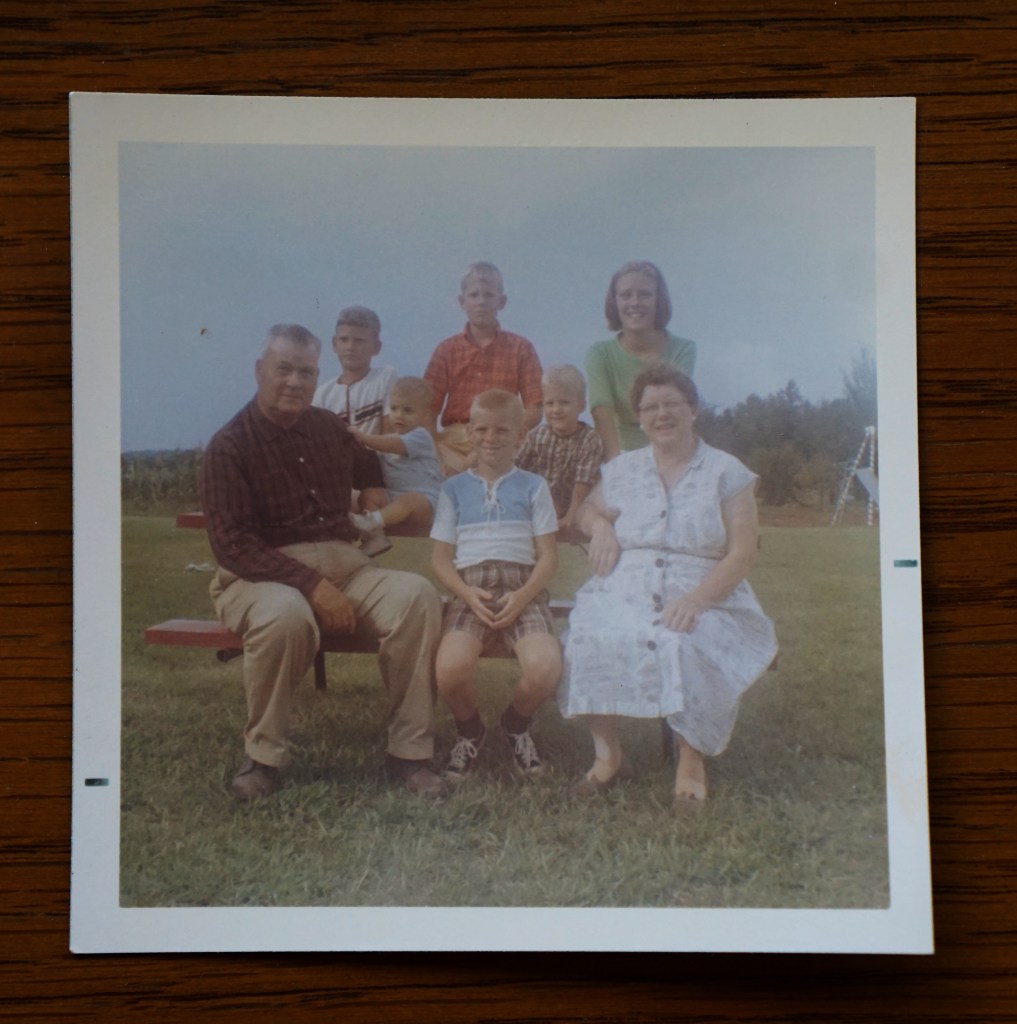
Georgia at age fifty-three on the steps of my parents’ apartment during a rare visit to St. Louis in 1956. About a decade later, she and S.R. enjoyed the company of six of their seven grandchildren in rural NC.

Western Warmth, Eastern Oasis

Warmer, brighter, and dryer than my midwestern memories, the arrival of April in the Sonoran Desert means we are a step closer to the oven.

I’ve come to welcome the regularity of the sun and heat. They define who we are: slimmer survivors, comfortable in shorts and sandals minus the cloud cover and weighty coats of our past lives.

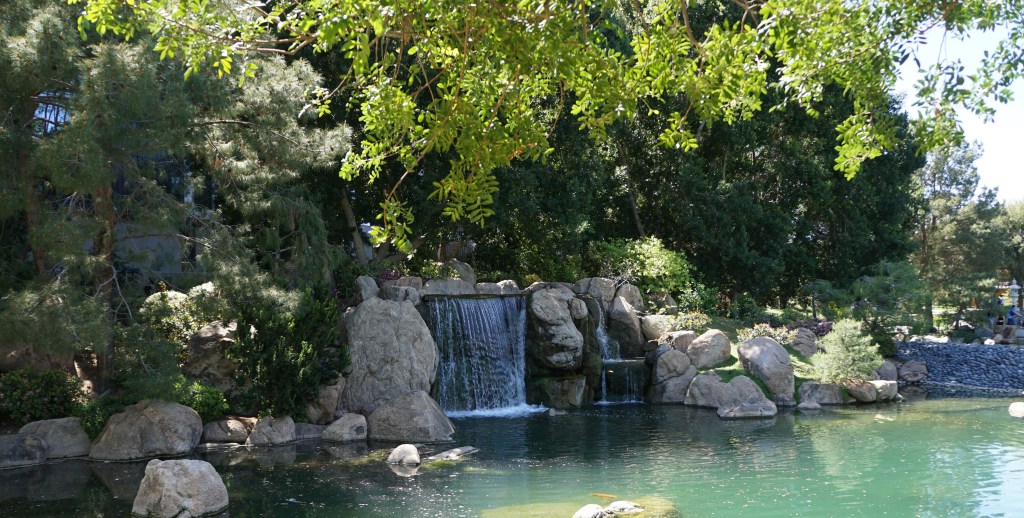
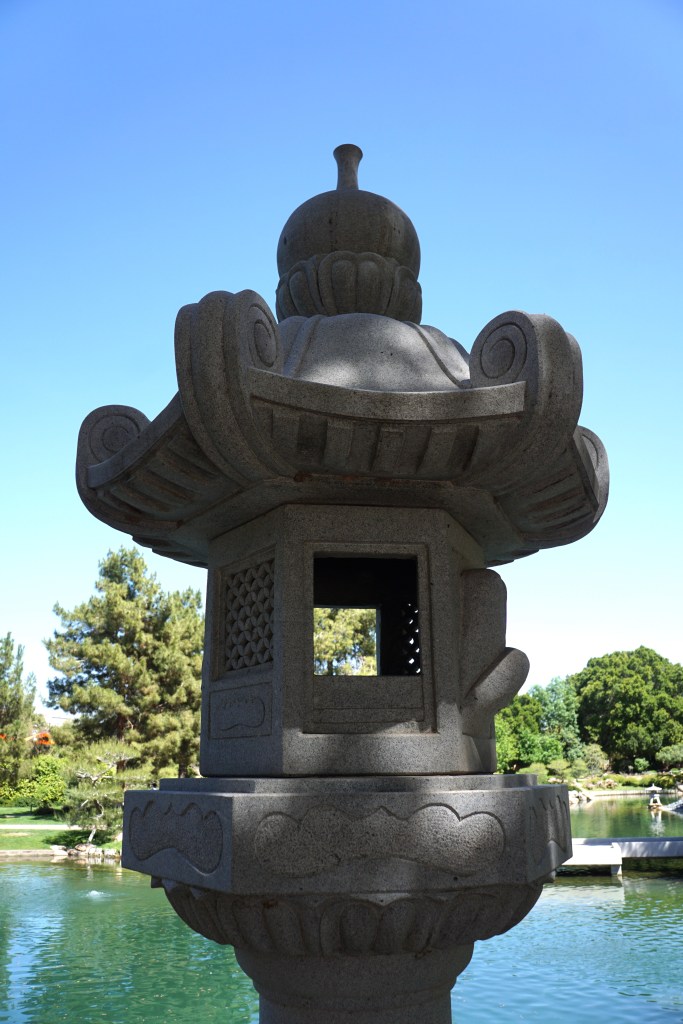
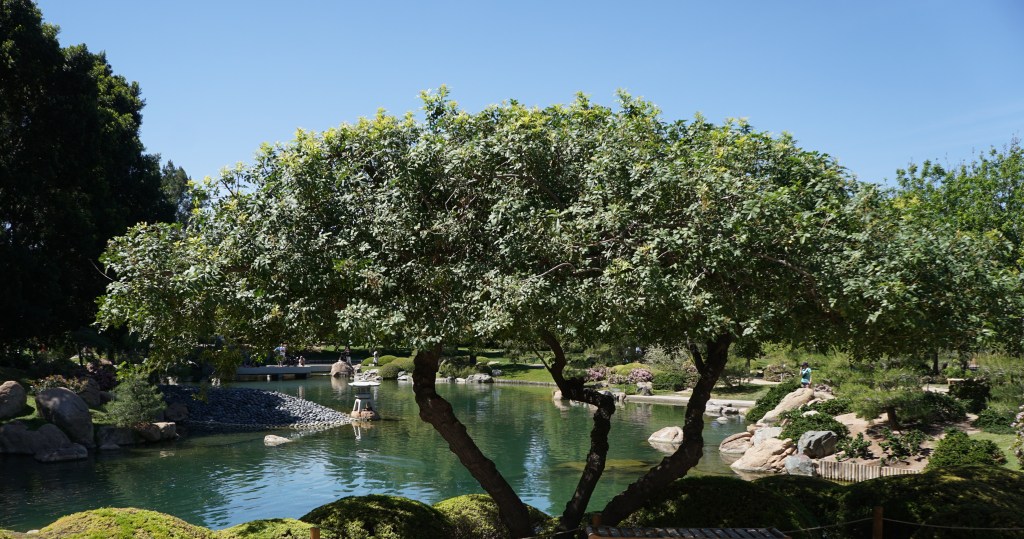
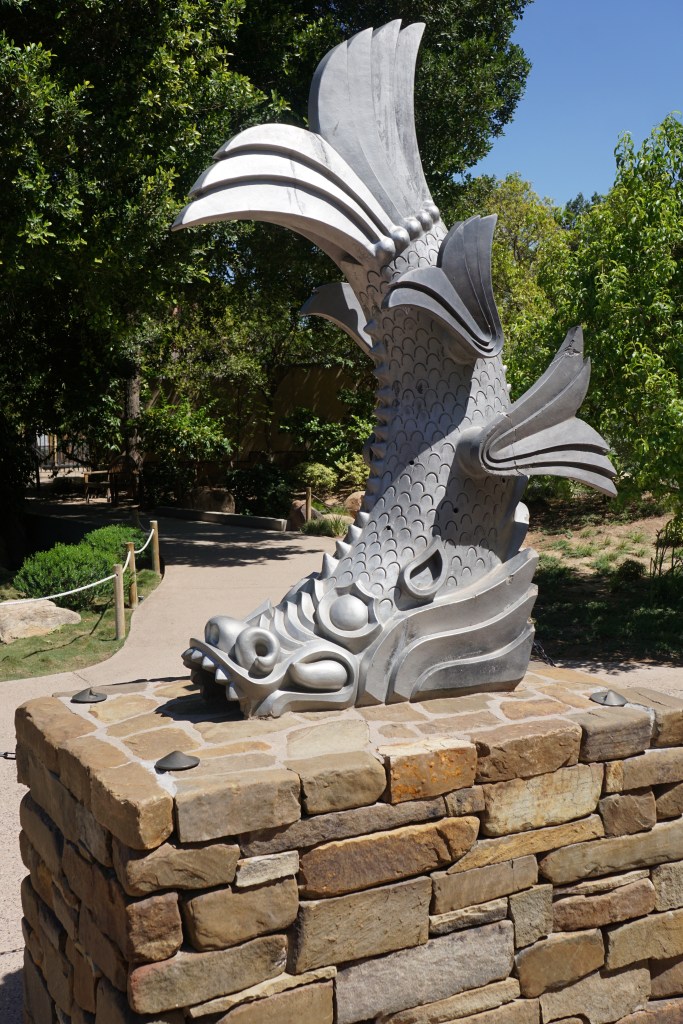
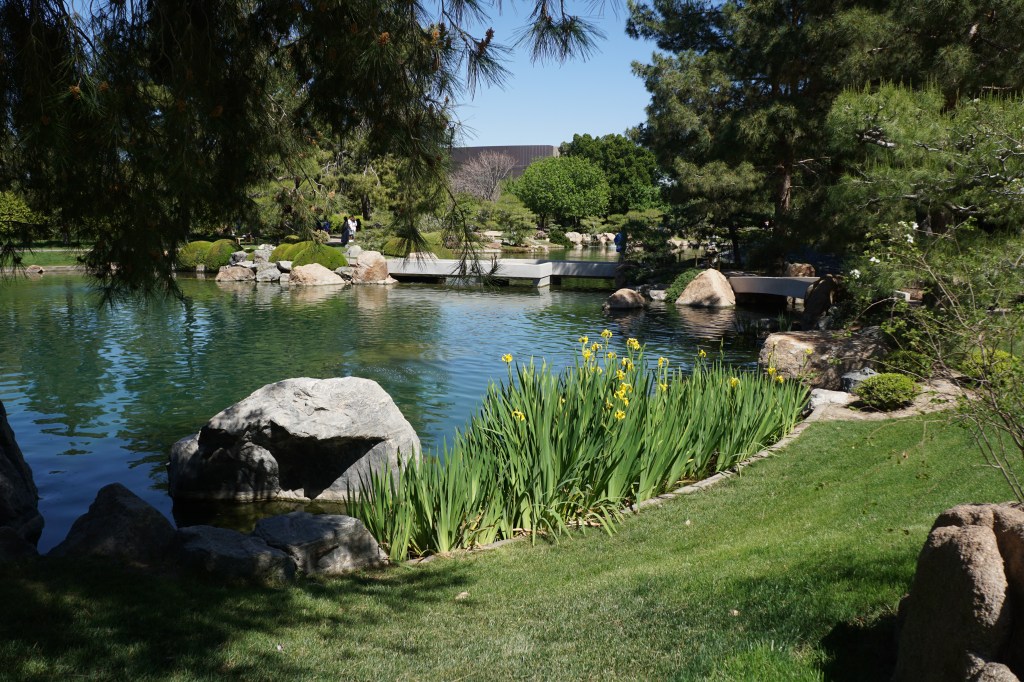
No matter the month, if you’re willing to dig beneath the palms that frame the burgeoning Phoenix skyline, you’ll find the Japanese Friendship Garden (named RoHoEn) coexisting with concrete in an urban setting.

Planted at 1125 N. 3rd Avenue (just west of Central Avenue and south of I-10 on the way to L.A.), this hidden Phoenix gem is an unexpected eastern oasis deposited amidst the flurry of western civilization.

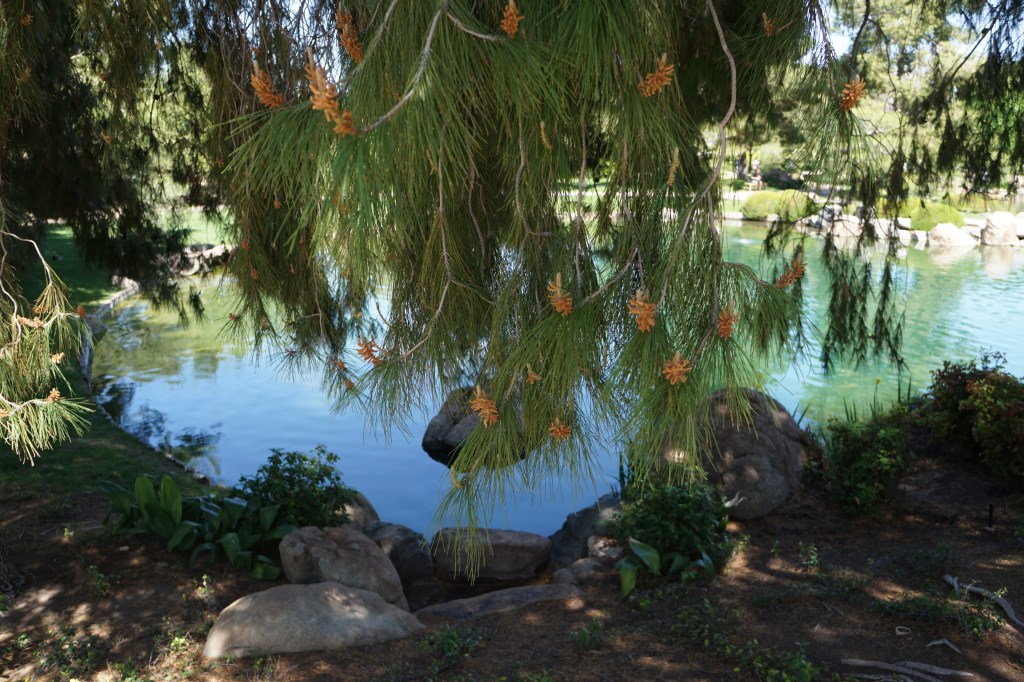
Protected by the shade of a high-rise apartment building, colorful koi dance beneath the surface of a shallow lake, a canopy of pines, sculpted shrubs, gentle waterfalls, and peaceful pagodas.

Of course, many come to the Valley of the Sun to relax by the pool. But if you prefer a different kind of escape, the garden is an ideal place to stroll in the shade, pause on a weekday, feed the fish, and nourish your soul.