Tag: Creative Writing

Flickers and Fedoras

CrossCutCanal_112419

I wince when wires obstruct the buttes before me. I suppose it’s a part of life I must endure. Just like the car alarm blaring outside my backdoor as I write this sentence. It supersedes the mockingbird I prefer.

Even worse, the woman walking her fluffy dogs in the park. She ruins the encounter by wearing a red cap I can’t stomach. The same slogan is emblazoned on the canines’ collars. I’m too angry to make eye contact with her. I prefer a campaign to Make Red Hats Wearable Again.

Life is filled with such irritations. Yet, as November winds down and we Americans prepare to gather around tables of all shapes and sizes to proclaim our thankfulness with too much turkey, stuffing, football, pie and impeachment controversy, I am grateful for other things.

Certainly, I am fortunate to have the love and companionship of my husband. Both of my sons are finding full and meaningful lives. I live in a country (admittedly, one deeply divided right now) where I can express my opinions freely. In my sixties, I’ve discovered new friends and reliable doctors in a warm community. I have health coverage and a comfortable home. Many people don’t.

I’m also thankful for the little surprises that appear out of the blue. Like the gilded flicker I spotted during my walk along the canal. This large woodpecker, complete with a splash of red rouge on either side of his head, is native to the Sonoran Desert. In the stillness, he perched high above me on a branch for a full minute on Friday and looked down as if to say “You’d better pay attention to me. This is the good stuff of life.” So I did.

Then on Sunday. Another rare sight to behold. Tom and I were writing and reading in a local coffee shop when a handsome man entered wearing a black fedora. (Actually, handsome men aren’t rare in Scottsdale, Arizona. But fedora sightings are.)

According to the website “History of Hats”, this wide-brimmed hat made of felt first appeared in 1882 in the production of a play called “Fedora” by the French author Victorien Sardou. It was designed for actress Sarah Bernhardt. Over time, the hat became popular for women’s rights activists.

After 1924, fedoras were adopted by men as a fashion statement because Prince Edward of Britain started wearing them.  Somehow, soon after, they appeared on gangsters during Prohibition in the United States. In the 1940s and 1950s, you saw fedoras everywhere on the heads of manly men on stage and in noir films (Frank Sinatra and Humphrey Bogart). After that, the fedora fad faded. Informal clothing won the day.

In November 2019, without warning, one snazzy fedora resurfaced on the noggin of a smart citizen in a Scottsdale, Arizona coffee shop. Though I was pleasantly surprised, I was also observant enough to spot it in a sea of ordinary western, baseball and stocking caps.

Flickers and fedoras. I have so much to be thankful for.

Sunday in the Garden

AnnasHummingbird_111719

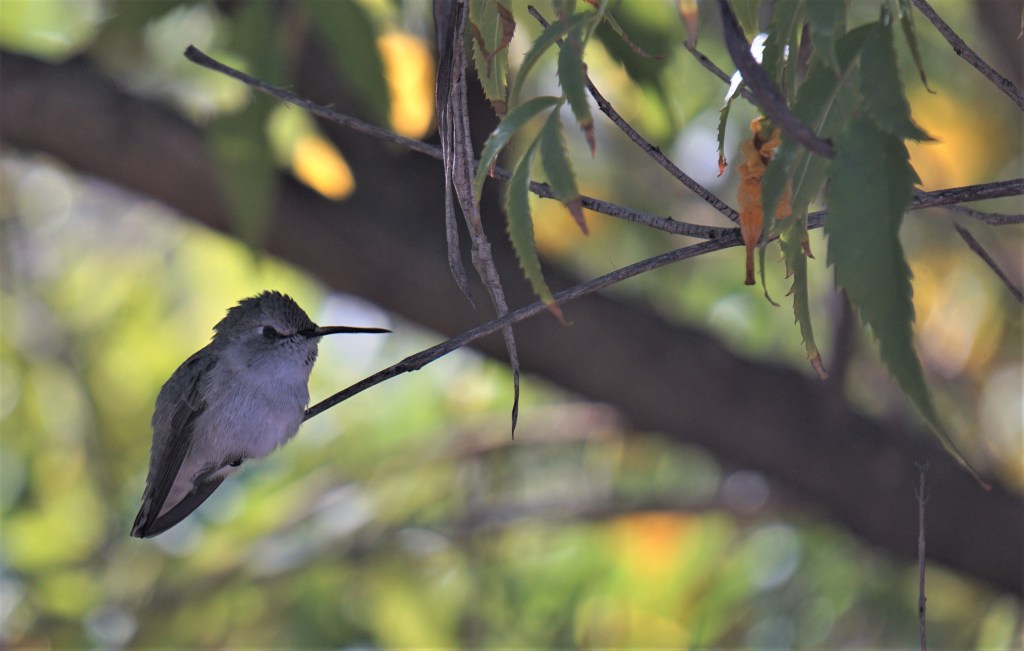
I found her there. Perching precariously on the tip of a branch. Pausing between blurs. Anna’s Hummingbird in profile. Protected by the boughs. Far from lies, denials and assaults. Nature’s truth, peace, hope and gentility. Carefully preserved. Free for one more day. Safe on a Sunday in the garden.

Cardio and Dermo and Gastro, Oh My!

ArizonaPines_072819

It’s a frightful moment from the classic 1939 film, The Wizard of Oz. Dorothy and Toto are flanked by the Tin Man and the Scarecrow. The new friends are stepping ahead. Walking down the yellow brick road. Making their way toward Oz. Preparing to cross a dense forest. Suddenly aware of previously unforeseen dangers. Lions and Tigers and Bears, Oh My!

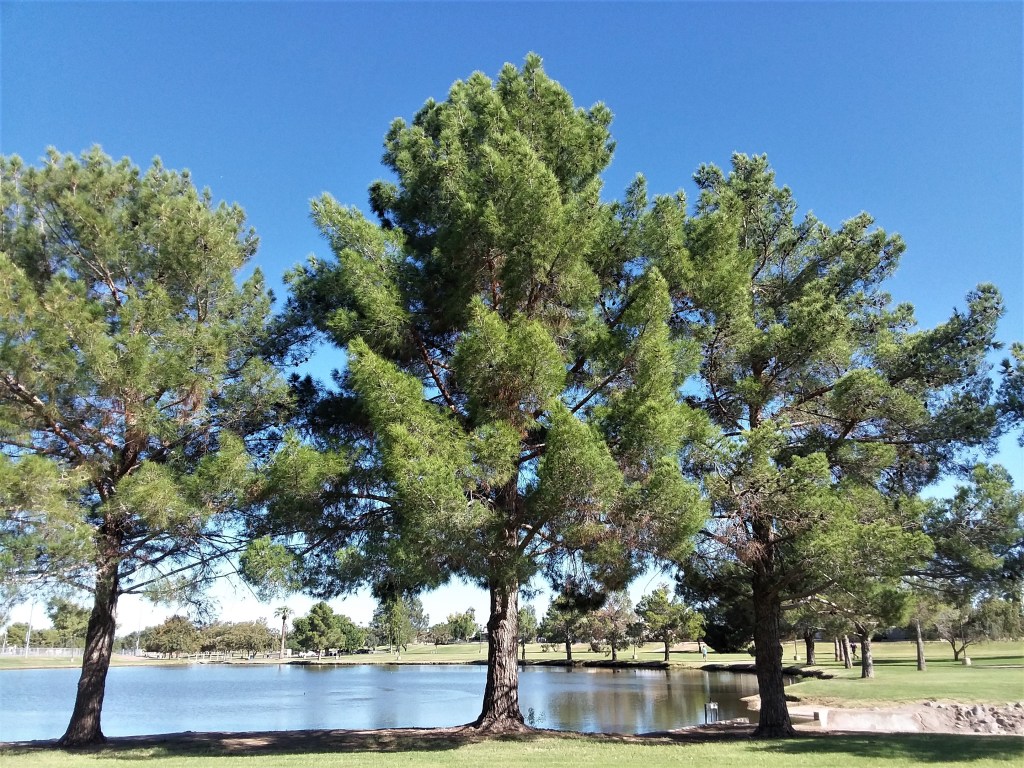
I can’t imagine a more perfect metaphor for life in your sixties. You’ve earned every bit of progress along the yellow brick road with the ones you love at your side. You can see the trees before you on the path you’ve chosen. But collectively the tall, sturdy and majestic trees form a dense forest. It’s often beautiful. Sometimes daunting. It can cloud your ability to know what’s coming next. Without notice, you find yourself fending off all sorts of maladies. Cardio and Dermo and Gastro, Oh My!

Quickly, you discover how important it is to build trusting relationships with crackerjack doctors and specialists. In my case, this happened in a new city. I still remember the first step. Tom and I had just left St. Louis in July 2017. While he drove us to our new home in Arizona, I sat on the passenger side with two fresh stents in the left side of my heart and a brand new cell phone in my right hand.  From somewhere in Oklahoma, I was calling potential cardiologists in Scottsdale, Arizona. Searching to find the right person to help me recover from a mild heart attack.

That was just the beginning. Eventually, I found the right guy. He was covered under my new insurance plan through the Affordable Care Act (thank you, Barack Obama). I see him (not Barack … my cardiologist) and my primary care doctor every six months.

But I don’t like playing favorites. Since then, I’ve also found a dentist, ophthalmologist, dermatologist and gastroenterologist to round out my preventive healthcare SWAT team, poke me in uncomfortable ways on a frequent basis, and brighten my days. I believe they are all doing their best to keep me healthy for another day. Another year. Hopefully two or three more decades of moving down the yellow brick road in Scottsdale.

You can see why I identify with Dorothy’s dilemma. Of course, I try to relax, remain optimistic and mindful in the face of a family history of heart disease and the latest colonoscopy results. That’s why, beyond the positive effects of my regular exercise routine (walking, hiking, treadmill, stationary bike, elliptical, swimming) Tom and I participate in a “gentle yoga” class every Friday morning.

This morning, when I approached the mirror on the wall in the room at the Scottsdale Senior Center where the yoga magic happens, I saw two familiar faces on either side. Nancy, one of my new Scottsdale friends, on the left. Tom, my husband, on the right.

We each stretched our muscles. We assumed our tree poses. We did our best to stand tall in the unknown forest. To find our edge against all odds. To push our limits without wavering on the yellow brick road of life.


For All the Soldiers on the Hill

FFG_Photo 6

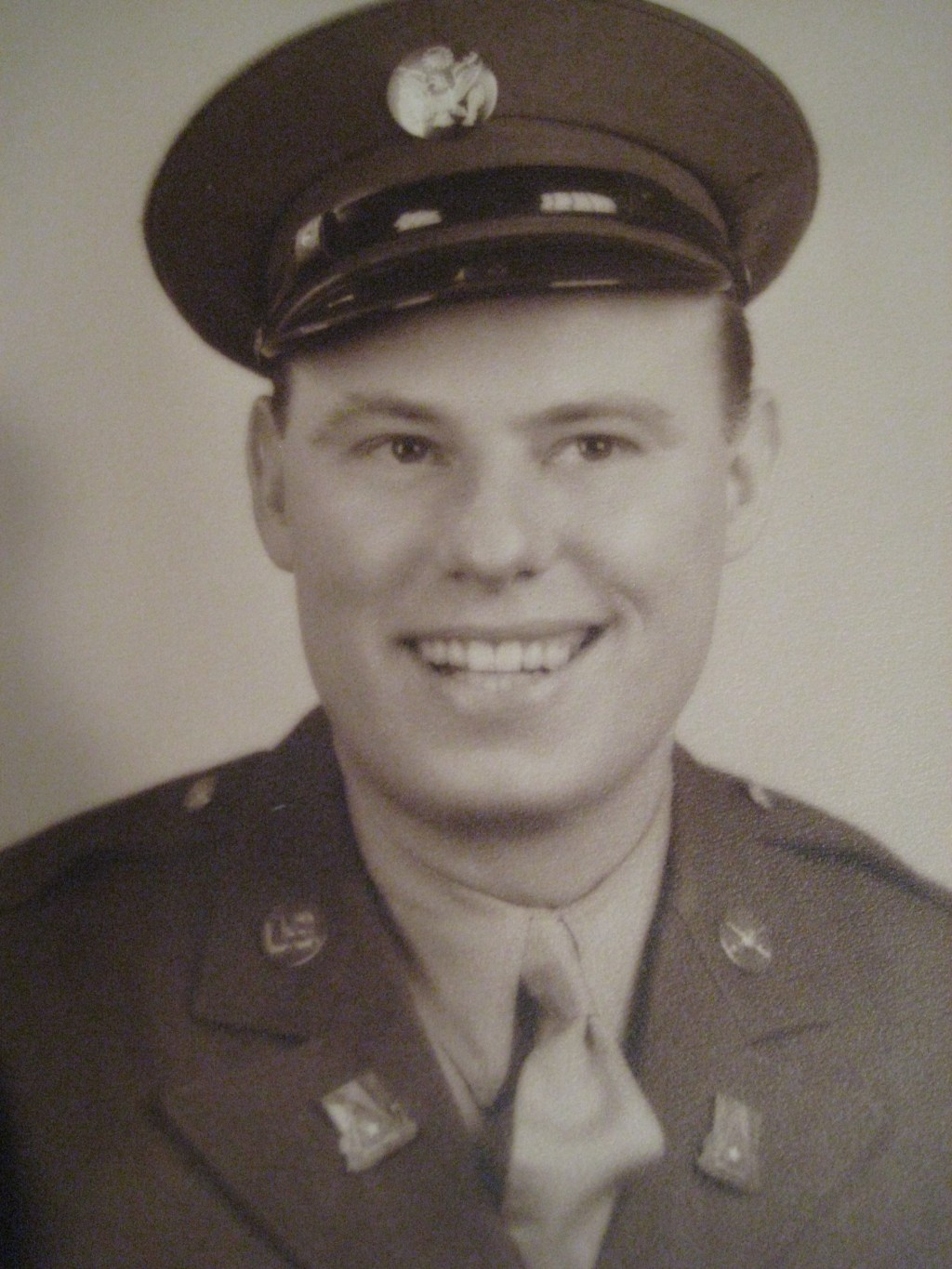
Every year at this time thoughts of my father resurface. Mostly because Veterans Day is drawing near. Dad served during World War II in the Battle of the Bulge. But also because he died in the eleventh month of the year. A second heart attack took him on November 26, 1993. It was the day after Thanksgiving nearly twenty-six years ago.

Now that I live in Arizona, it’s less convenient for me to visit Walter Johnson’s grave at Jefferson Barracks National Cemetery south of St. Louis. But I have no difficulty summoning vivid recollections of him from afar.

I remember a tender moment between us sometime in the 1980s when he asked me if I liked the idea of him one day being buried in a national cemetery alongside other soldiers who’d served during the Civil War, World War I, World War II, and the Vietnam War. (Unfortunately, the list goes on.) I told him I thought it would be the perfect, peaceful resting place for him. A proud patriot. A man who loved his country. A citizen who served it to the best of his ability.

Over the years, I’ve been inspired to tell Dad’s story. This unfulfilled poet of good intentions–this complicated, compassionate and troubled comrade, deeply affected by the horrors of war and bipolar disorder–appears in all three of my books in various forms.

Recently, I came across a poem in a file of prose I’ve written over the past thirty years. At the time I penned this one in 1996, my grief for Walter Johnson was fresh. I had just visited his grave. I was searching for answers. Still reeling from my failed first marriage. Doing my best to raise two young sons. Finally coming out of the closet. Beginning to connect the disparate strands of my emerging life.

As it turns out, the passage of time (along with greater understanding, acceptance and forgiveness) helped me heal my wounds, find my path, and build an integrated life. I’m thankful for that eventual transformation. Walter wouldn’t have understood all of it, but he would have kissed me on the forehead and loved me anyway. He would have cheered me on during these late-in-life writing years I’ve been fortunate to find.

I’m grateful for the poetic propensity that came from this one particular soldier. Yes, he is long gone. His physical remains rest under the shade of a large tree not far from the banks of the Mississippi River. But his imperfect imprint will always appear in my writing. This is for him.

***

The Soldier on the Hill

I talked with the soldier on the hill today,

We sat, we cried, we laughed, we prayed.

The bells rang true, the trees stood free,

A breeze swept past to welcome me.


Shadows filled the landscape then,

Tempers rose without his pen.

Snowflakes fell, the grass turned green,

All without a change of scene.


Now the soldier rests with them,

Hand in hand—all blessed again.

They greet another trailing soul,

Who makes the journey past the knoll.


August 27, 1996

***

More broadly, I’m thankful for all of the soldiers on the hill. Many of them lost their lives in battle and had little or no time to discover a path or realize their dreams. We must always honor their service and sacrifices, past and present.

Under Blue Skies and Pecan Trees

DSC08706 (2)

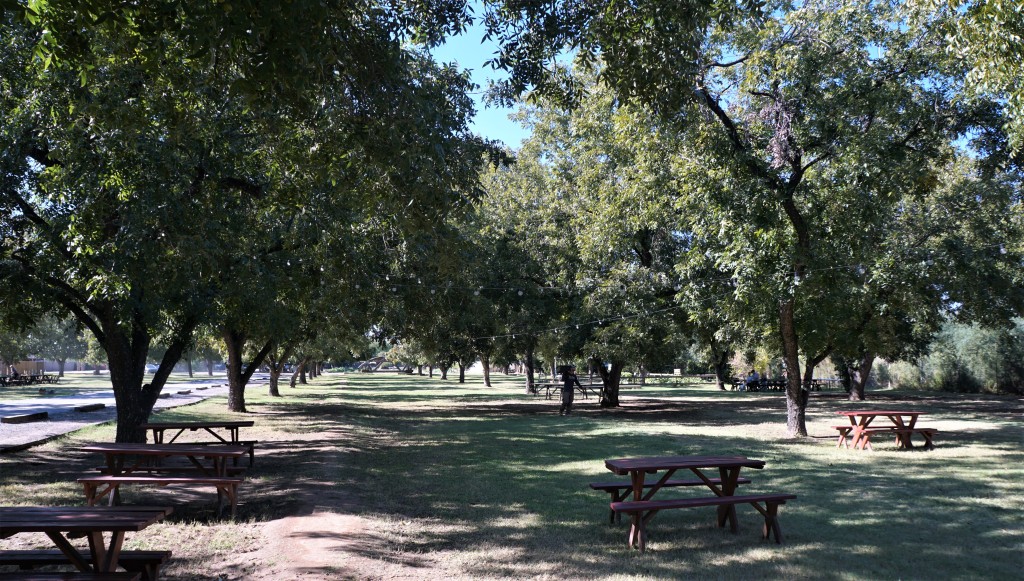
One of my favorite lunch spots in Phoenix: The Farm at South Mountain. An impromptu meal of creamy tomato basil soup and half of a turkey sandwich with Tom. The best part? Dining outdoors together at a picnic table under blue skies and pecan trees.

That’s something to be thankful for any day. But especially on November 1 when it’s eighty degrees in the Valley of the Sun and other parts of the country are facing the harsh realities of raging wildfires or snow-crusted sidewalks and jack-o’-lanterns.

During November, I’ll be posting messages of thankfulness. Some will be quick observations like these about the warm place I call home. Others will be deeper stories of reflection and gratitude … mini-memoirs about people who have made a difference in my life or left an indelible imprint.

What are you thankful for?

So Long, Old Friend

Millie_102819.JPG

“Just wanted to tell you that Millie passed away.

She was ninety-nine years old. What a life.”

Tom and I received this text today from Kathy, a close friend and neighbor who lived two doors north of us in Mount Prospect, Illinois. The community was our home until July 2017.

Millie, another of our neighbors, was an ever-enduring matriarch. She lived one block over. Directly behind us for two decades. Evidently, she died a few days ago.

I remember Millie fondly, tending to her flowers along the back fence. She was one part avid gardener and rose lover, one part suburban dynamo, one part cantankerous character.

Millie left a lasting impression on my family and me. So much so that I wrote Along the Back Fence, an essay about her and our relationship. It became a chapter in An Unobstructed View, my book of reflections on the meaning of my Illinois life.

Millie didn’t quite make it to her one hundredth birthday, which would have occurred in early January. But as a tribute to her and long-lasting neighbors everywhere who enrich our lives, I choose to celebrate as if she had.

Here’s my story and an image of a rose I captured across the sidewalk in another neighbor’s yard in sunny Arizona.

So long, old friend.

***

Along the Back Fence

Long before I arrived at my Mount Prospect home, Millie loved her garden and the hibiscus plants she and her husband had planted on the other side of the back fence. But when I first met my neighbor Millie in the summer of 1996, her husband had been gone for a few years and the exotic flowers were waning too. She was alone and lonely in her mid-seventies, but not in a quiet and retiring way. There was plenty of fight left in Millie.

It wasn’t an auspicious start for the two of us. I had begun to create a small compost pile in the far corner of my yard. She wasn’t happy about it—too many decomposing grass clippings and small spruce branches in one place she thought. In her view, I had created a mess. So when she complained about the smell that had started brewing there, I scrapped the idea and placed the yard materials by the curb for the next trash pickup. I didn’t want to alienate Millie. I didn’t want to contribute to her unhappiness.

I don’t think we had too much to say to one another over the next few months. Only a quick hello here and there as I pushed my mower around my yard and she tended to her garden that wrapped around her detached garage. Eventually, we broke the ice.  From one side of the fence, she told me about her love of roses. From the other, I introduced her to my sons and then Tom. After that, we found firm footing.

By the fall of 1998, Maggie was in the picture. I remember Millie leaning over to pet our dog’s voluminous ears. Millie would cradle Maggie’s head on either side when the dog placed her paws along the back fence. “How is that Maggie today?” she would ask. Our droopy-eyed pet had won her heart too.

Over time, Millie got to know more members of my family. On one summer afternoon, Tom and I decided to invite Millie over for a backyard barbecue. My mother was visiting us from St. Louis. Both Mom and Millie were gardeners. There was plenty for them to discuss about the flowers they had grown, nurtured, and cherished over the years. Not to mention the yummy three-bean salad Millie had whipped together in a jiffy.

“Next time I’ll bring my ambrosia salad,” Millie told us. “Everyone loves it!”

And there was a next time the following year. Tom’s mom and dad joined us from their home on the other side of Mount Prospect. Sure enough, Millie brought her signature dish of mandarin oranges, maraschino cherries, crushed pineapple, and shredded coconut to compliment the relatively ordinary burgers and hot dogs we grilled that afternoon.

That was the last of our three-bean-and-ambrosia-salad moments with the older set. The seasons passed and so did our parents—Tom’s dad in 2012, my mom in 2013, Tom’s mom in 2015. But Millie survived them all. She heard about each of our losses along the back fence. It gave me comfort to meet her there, though our encounters became few and far between as her own health—her own sure-footedness—declined.

In the summer of 2016, I waved to Millie as I worked in my backyard. Frail and in her nineties, she was seated on a chair on her deck with Yolanda, her live-in caregiver, nearby. Millie motioned to me to meet them by the back fence. With Yolanda at her side, it took a few minutes for Millie to navigate her way there. But there was never any doubt she would make it.

When she arrived, I reached out to give her a hug as she leaned in to rest her head on my shoulder. She told me she still loved to admire the perennial blooms that came and went, but her gardening days were over. She simply didn’t have the physical energy for it any more. Nonetheless, she wanted to gift the only remaining rose bush in her yard to Tom and me, if I would dig it up from the side of her garage and find a place to transplant it in our backyard.

Though I didn’t know where we’d find room for the bush, I was touched by the gesture. I grabbed a shovel from the garage, wedged the toe of my shoe in the cyclone fence, and boosted myself over onto Millie’s lush lawn. Tom found our wheelbarrow and lifted it over too. It took me nearly thirty minutes of digging before I could pry the stubborn bush out of the ground. But it finally succumbed. When I left Millie’s yard with the bush, I thanked her and gave her another hug and kiss on the cheek. We had come a long way from our early compost pile days.

“I love you guys,” she said.

“We love you too, Millie,” I assured her.

Before Tom and I moved the following summer, we waved to Millie a few more times from our backyard whenever we mowed our lawn and saw her perched on her deck, presiding over her floral-filled memories.

And the red rose bush—which we carefully transplanted alongside our driveway and propped up with tomato stakes and chicken wire—took root and bloomed before we departed.

We left it there for the new owners to enjoy.

It only seemed fitting.


Sand Dollar Days

Sanddollars_102219.JPG

Here in Scottsdale, Arizona, I have a good life. Warm, simple and true.

Exhibit A: though it’s late October (more than a month since most outdoor pools in the U.S. closed for the summer), today I completed my morning swim as I usually do at our Olympic-size community pool … thirty lengths under blue skies and eighty-degree temperatures.

Despite this frequently idyllic scenario, every locale has its drawbacks. For us in the Sonoran Desert, it’s the unforgiving heat in June, July and August … especially in the summer of 2019 when monsoon storms mysteriously didn’t materialize … and the fact that we live a few hundred miles from the closest beach on the Pacific Ocean. Put another way, we have plenty of sand, but no sand dollars to dazzle our days.

Unless, of course, you have a thoughtful friend such as Glenn. On Monday, having just returned from a week in San Diego, our neighbor and gentle-yoga comrade surprised Tom and me with a little beauty from the west coast: a handful of bleached skeletons of dead sand dollars.

Unfortunately, we weren’t home when Glenn stopped by, so he left them in a transparent tray near our back door. Who knew these sandy gems would one day wash up on the shore in land-locked Scottsdale, Arizona?

According to folklore and Wikipedia, sand dollars have come to represent all sorts of things. For instance, coins misplaced by mermaids or the lost citizens of Atlantis. Christian missionaries saw symbolism in the five-fold radial design, comparing it with the Star of Bethlehem.

I prefer to think of the sand dollars simply as a gift of nature. A reflection of grand, infinite, and ever-radiating design. Something like ripples of water on the surface of the ocean or individualized snowflakes that fall and decorate the sky and then the streets (not in Scottsdale, but surely back in my previous hometown of Mount Prospect, Illinois).

Better yet, I see sand dollars as a symbol of the interconnected way friends like Glenn enter and influence our lives. At first they may appear on the periphery. But over time they make their way on shore. They begin to leave their own personalized mark. They remind us to be grateful for the kindnesses of neighbors and friends who grace our lives. They teach us to be thankful for the goodness of our sand dollar days.


Palm and Pine and Sycamore

Palm_102019

Pine_102019.jpg

Sycamore_102019.jpg

Three gather to whisper, one natural grace.

Sure shiny October, rare shady space.

Beckoning branches, bowing before.

Triumphant triad, truth to adore.

Forever delight, never ignore.

Palm and pine and sycamore.


By Mark Johnson, October 20, 2019

After Grief Swallowed Me Whole

FFG_Photo 20

In October 2015, I was a fixture in front of my laptop. I spent endless hours painstakingly polishing the final draft of my first book, From Fertile Ground. It’s the story of my journey after my mother’s death in 2013.

With help from a trail of letters and diary entries my mother and grandfather left behind, writing renewed my spirit. It led me out of the darkness and propelled me forward. After grief swallowed me whole, I finally reemerged and rediscovered sunlight at the end of a numb and winding road.

Intuitively, I realized I needed to share my story openly with the world. That of a gay man, loving husband, devoted father and grateful son searching for answers. I dreamed it would help others find a new path and navigate their way through grief.

Not long after I published From Fertile Ground in February 2016, friends and strangers began to post reviews online. They described how they were moved by the book and its lessons of love and loss. My dream was coming true.

By the end of 2017, things had gotten rather quiet. That’s what happens with books and creative accomplishments. They come and go no matter how much you want them to linger. They flash across the sky like shooting stars and then fall off the radar.

Fortunately, every once in a while, there is a glimmer or twinkle to remind you of their importance long after they first appear. That happened last week when I read a new review posted on Goodreads and Amazon … a review that reminded me why I decided to publish the book in the first place:

“This book is a life compass if you are experiencing loss or disruption in your family.

From Fertile Ground came to me at precisely the right time in my life. Mark’s perspective and reflection helped me to navigate loss and disruption in my own life. I pulled from his examples and experiences to temper my feelings and expectations. I ultimately gained a great deal of comfort and reassurance from his novel, and I continue to think back on it often as my life continues to evolve.

Throughout the book, I enjoyed getting to know Mark and his family. They are relatable people demonstrating courage, compassion, and love. The poem he wrote and included that was a tribute to his mom was one of my favorites. I also really enjoyed seeing his relationship with his children evolve from childhood to adulthood.”

This is the kind of glorious feedback that motivates me to keep sharing stories. To shine a light on truths … both personal and universal. To bring a little love, inspiration, comfort and reassurance to a world that really needs it. To devote time each day to my literary passion. To pen the next poem and dust off that fictionalized piece that I keep going back to. To live the life of a writer. It’s what I was meant to do. It is my fertile ground.

The Spirit of St. Louis

TORO_Photo16B (843x1000)

If you follow my blog or have read any of my books, you know I write frequently about the importance of family and home. Thematically, I’m a big believer that they shape and influence the trajectory of our lives.

Though I left St. Louis (my original hometown) nearly forty years ago, my Missouri memories have proven to be a source of creative inspiration, pride, joy and considerable heartache. In fact, I’m certain the Gateway to the West occupies a permanent strand in my DNA.

No one personifies the spirit of St. Louis in my memories more than Thelma DeLuca. She was my aunt. I’ve been thinking of Thelma a lot lately. Mostly because the twentieth anniversary of her passing is coming later this month. But also because Dad and she were lifelong St. Louis Cardinals fans.

Tonight their favorite team (and mine too) will host the Washington Nationals in Game 1 of the National League Championship Series. I’ll be watching the game on TV. If Thelma were living, she’d be doing the same. Cheering for her Redbirds. Wearing something red.

As a tribute to my aunt (shown here in a 1952 photo with “Bluebird”, her beloved blue Plymouth), I hope you’ll take a few minutes to enjoy this excerpt from Tales of a Rollercoaster Operator, my book of up-and-down stories about my Missouri youth.

* * *

Thelma’s middle name was Ruth, but it should have been Truth. She was Dad’s older sister, the life of the party, the leader of the band, a true original. There was no denying Thelma. She was the boldest, biggest-hearted member of the Johnson family. You always knew where she stood, because she would tell you with gusto. Like an Olympic gymnast on a quest for gold, she nailed the dismount, stuck the landing, and finished her routine planted firmly on the ground on the right side of an issue.

Thelma sheltered a collection of canines over the years. In the 1950s, when Lassie was king, she devoted her free time to Laddie, her prized collie. The dog won several blue ribbons with Thelma at his side. In the years that followed, she welcomed: Tina, the runt in a mixed-breed litter; Tor, a powerful but gentle Norwegian elkhound; and Heath Bar and Gizmo–Yorkshire Terriers–into her home. There’s no question she revered all of her pooches. I remember when I was a teenager as she moved in close to remind me with all the sincerity she could muster. “You know, dog is God spelled backwards,” she proclaimed …

In one breath Thelma, a lifelong Democrat, praised Harry Truman’s the-buck-stops-here forthrightness. In the next, she launched into a smooth glide down the hall on high heels with Uncle Ralph as Dean Martin sang Come Back to Sorrento or Vikki Carr belted out It Must Be Him on the hi-fi. All the while, Ralph’s prized braciole was baking in the oven.

Thelma craved the richness of relationships and the cumulative effect of what we learn from each other throughout a lifetime. Sitting at her kitchen table in the 1970s with a far-off look in her eyes, she leaned in with her wig slightly askew and told me, “Mark, we’re all like ships passing in the night.”

In her wake, Thelma certainly left her mark on me. Whenever she sent me a letter, she sealed it with a kiss–along with the letters SWAK written underneath in case her love was ever in question–leaving behind remnants of her red lipstick on the back of the envelope or at the bottom of her letter next to her signature. 

In 1976, Thelma gave me a small envelope filled with bicentennial coins: medallions, dollars, half dollars, and drummer boy quarters. She encouraged me to start a century box with these so that all of my “heirs will sit in awe and wonder about the old days back in 1976.” I still have the coins. It was a magnanimous gesture. I loved her for it and all of her convictions.

Like my dad, Thelma loved her St. Louis Cardinals. She was sixteen in 1926 when the National League Champion Cards played in their first World Series against the American League Champion New York Yankees, led by legendary slugger Babe Ruth.

The Cardinals won the series four games to three and were crowned World Series Champions for the first time. Rogers Hornsby was the Cardinals player-manager. Grover Cleveland Alexander was the winning pitcher in two of the Cardinals’ victories. Though Ruth clubbed three home runs in Game 4 and another in Game 7, the “Bambino” recorded the final out in Game 7 when the Cardinals caught him attempting to steal second base.

With a chuckle and a raspy voice, Thelma recounted that when the 1926 series was over, “I walked down the street chanting ‘Hornsby for President, Alexander for Mayor, Babe Ruth for dogcatcher, isn’t that fair?”

In April of 1979, during my senior year of college at Mizzou, I interviewed my aunt for a family folklore assignment. I was riveted as Thelma described the destruction from the September 29, 1927 tornado, which tore through St. Louis and killed seventy-eight people. She and my grandmother Louise Johnson huddled inside their home that day and rode out the storm safely.

At one point, they leaned against the front door with all their might to keep it from blowing off the hinges. When the violent storm was over, they ventured outside to discover houses on both sides of them had been lifted off their foundations. 

Thanks to Thelma and her recollections, the link to my Johnson family heritage and St. Louis history is alive and well. That was Thelma.