Tag: Hope

A New Year Resolution

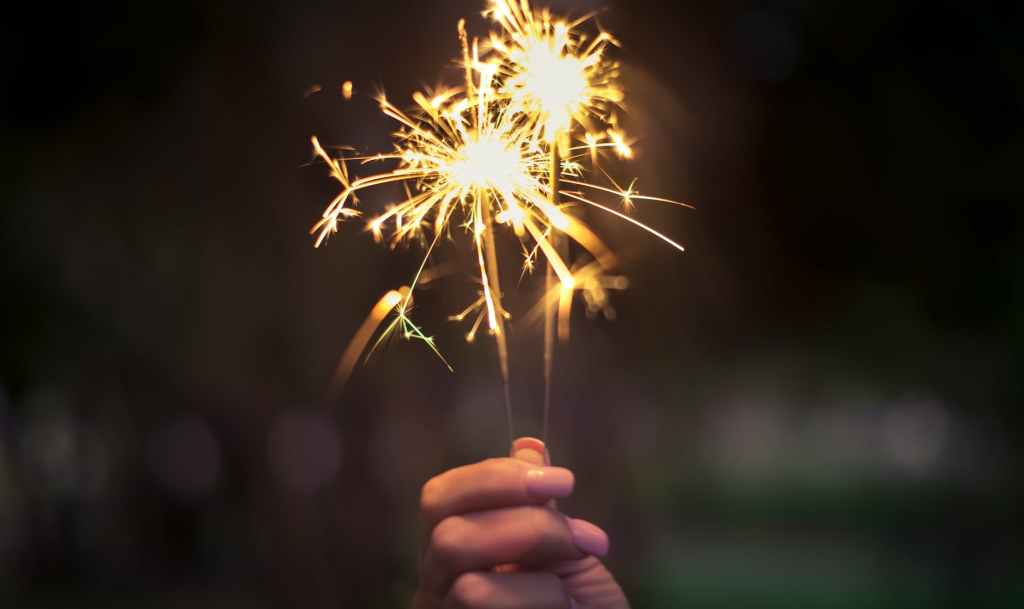
Photo by Tairon Fernandez on Pexels.com

This is a true story about a chance encounter on New Year’s Day, January 1, 1962. It’s a testament to the good citizenship of my mother and father, who did the right thing sixty years ago.

The story, A New Year Resolution (I wrote it in 2017), fills me with hope and the warm possibilities of life even after seemingly awful things happen. It first appeared in Tales of a Rollercoaster Operator, my book of Missouri stories.

As we cross into 2022, I wish you good health and a few magical surprises to lighten your spirit.

***

Aunt Thelma was flush with frozen anticipation and prepared to toot her fringe-laced party horn. It’s how she felt every year. She had a new year resolution: to be the first out the door to inhale the cold remnants of December night air and replace it with January oxygen expectant with sharp promise and unassigned possibilities.

Thelma fumbled to secure the buttons on her worn car coat, snap her hat in place on the top of her wobbly bun, and race into the frigid Midwestern night. “Happy New Year,” she hollered leading her merry band out the door as the clock struck twelve. In an instant, the atmosphere from two distinct years comingled in her lungs and the clamoring began on cue.

Uncle Ralph, Mom, Dad, Diane, and I twirled our ratcheting noisemakers, flailed away with wooden spoons on pots and pans, and shrieked with glee. Magically, in an instant, the joys and regrets of 1961 were erased. Each of us had a fresh batch of winter air to contend with. It was January 1, 1962, in St. Louis, Missouri.

The frosty air told us it was too cold for the revelry to linger. By 12:15 a.m., we scurried back inside and returned our cockamamie thingamabobs and pointy hats. As Thelma and Ralph gathered it all and washed off the wooden spoons for safe keeping in the kitchen drawer, Dad and Mom broke the news to Diane and me. Our makeshift winter carnival was over.

With Dad behind the wheel, it was time to head home to South St. Louis County and our three-bedroom brick ranch in Affton. We had an hour-long drive ahead of us in our ’59 Plymouth.

Dad figured Hanley Road would be the most direct route. He could take the highway, but he didn’t want to contend with higher speeds and the potential for an anonymous, boozy driver veering head-on into his path. The thought of that was too much for his weary brain.

Under the whir of tires hugging cold pavement, Mom glanced over her left shoulder to check on the two of us in the backseat. Diane and I were beginning to fade. Mom knew we would be asleep soon. She and Dad were prepared to rouse us from our slumber once we pulled into the driveway. She felt comfort knowing we would need to be carried into the house and rolled into bed. She didn’t know there was more excitement coming before we trailed off to sleep.

A few minutes passed before something caught Mom’s eye between the high beams of an approaching car. She spotted a fuzzy figure up ahead a few hundred feet on the right shoulder. Someone was walking alone. From a distance, it could have been a man or woman. She and Dad couldn’t be sure.

Dad reduced his speed. As we approached, our headlights illuminated a bewildered young woman teetering on silver high heels, shivering under a skimpy mink stole thrown over her shoulders, exposing an emerald cocktail dress and too much skin on a cold night.

Mom verbalized what Dad was thinking. “Walter, I think she needs help. Let’s pull over and see if she needs a ride somewhere.” They rolled down their windows and waved her over to the car.

At first, the young woman’s eyes darted away. She could see a man was driving the car. But when she realized that an entire family was in the car, she relaxed a bit and approached on her fast-freezing feet.

“It’s so cold out, honey. Can we help you?” Mom offered through her partially open window. “Do you need a ride somewhere?”

“Yes,” she stammered. “I guess I do.” She grabbed the hinge of the back door and shimmied into the backseat next to Diane. “I was going home with a date after a New Year’s Eve party, and we got into a big fight. So, I got out. That bastard drove off and left me on the side of the road … Oh, I’m sorry about the language.”

“It’s alright,” Dad assured her. “We’re just glad we stopped. Point us in the right direction and we’ll get you home. What’s your name?”

“Oh, it’s Melba,” she confirmed. It was a name I’d seldom heard. Melba recited her address in Maplewood. By this time, any notion of sleep in our eyes was history. It vanished when Melba and her allure entered our world. We were wide-eyed and dumbfounded–captivated by her exotic name and slinky dress. Diane homed in on Melba’s beaded purse and shoes. I was mesmerized by her glistening green eyes, which flickered when cars flashed by. They matched her sequined gown.

Melba must have been an aspiring movie star or a lost character in a Twilight Zone episode, I thought. I wasn’t sure which. Either way, I was certain she was navigating a sudden detour on the road of life, trying to make the best of plans gone awry. She was craving silence in a secure sedan with no requirements, explanations, or assumptions.

From the front seat, Mom respected Melba’s need for quiet and distance. In the back, Diane and I sat motionless; we preferred to watch relief wash over Melba’s face. Dad focused on the tasks at hand: operating our vehicle and driving Melba home. He could tell the young woman was rattled. He wanted to return her home safely without fanfare.

Within twenty minutes, Dad pulled up in front of a tidy bungalow with white awnings and a steep front porch. This must be where Melba lived, I thought. Even though it was 1:30 a.m., all the lights inside Melba’s house were lit. I was thankful and relieved that her family had waited up.

With a flip of her hair from the top of her fur collar, Melba thanked Dad and Mom for the ride. She flashed a grateful smile, wrapped each end of her mink stole around her neck, patted Diane and me on the top of our heads, and braced for the cold air. She left the cozy warmth of our green sedan.

By this time, I had imagined a whole new life for Melba–a wandering, sensitive soul with a caring mother and father of her own, a nosey little brother, and a dream to escape her world and climb a ladder into a fairy-tale universe filled with brilliant stars.

Then, under the partial glow of a frosty January moon, I watched Melba ascend the concrete stairs, turn to wave goodbye, and step across the threshold of her ordinary front door into an awaiting aura. Certainly, New Year’s Day 1962 was off on a magical foot.

None of us thought we’d see Melba again. And we were right. Even so, all we needed was thirty minutes together to keep the memory alive. I curled up in the back seat next to my sister and considered the vision of Melba–coming and going in a pre-dawn hush.

There wasn’t much to say, but Dad knew what to do. He eased the car from the curb and guided us back onto the road. With a flash of his headlights, he signaled to Melba that all was good.

We were on our way home.
As December Approaches

No flurries to be found, few leaves on the ground. It is morning sweatshirt weather as December approaches the desert from beyond mountain peaks.

Without ice to navigate, bighorn sheep shimmy down opposing buttes. Ducks paddle away the hours. A lone kingfisher trolls the canal for a morsel or two.

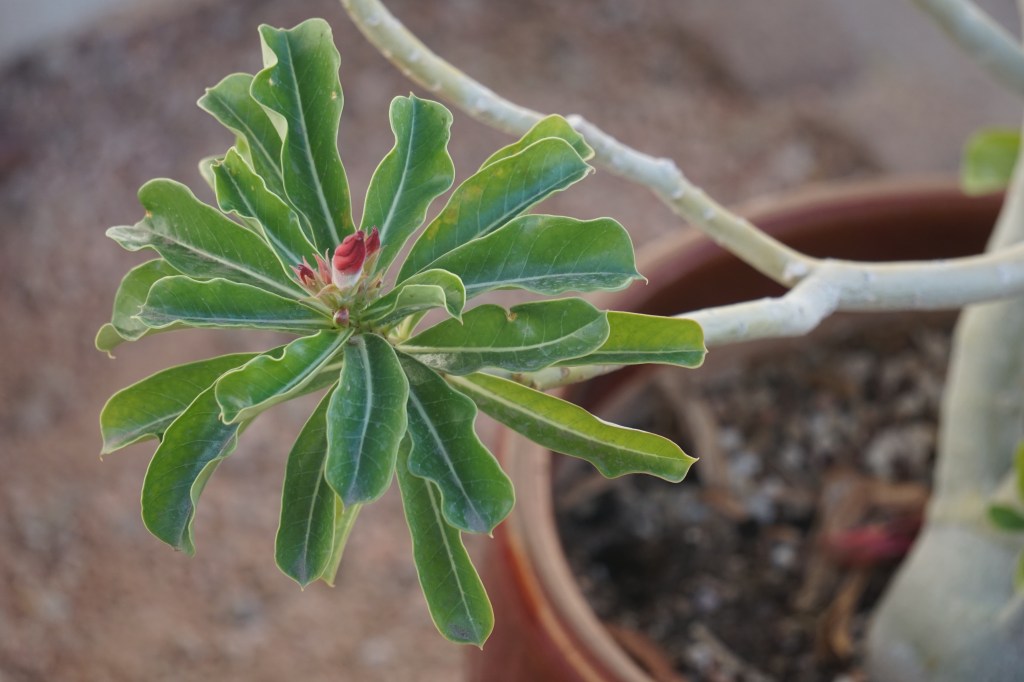
This is not the forecast for Decembers I remember. It is a warmer one I wish not to relinquish; the beginning of the last round of desert rose buds.

As November lapses and the twelfth month unfolds, nature delivers beauty and hope to our doorstep with the promise of blooms through Christmas.

#242 and a Rose for You

I began this blogging odyssey three years ago today by publishing my list of memoir writing tips. I had no grand plans or notions of what this would become, who I might meet in the blogosphere, or how frequently I would post. (This is #242. That’s more than eighty posts a year since May 4, 2018.) I simply wanted to exercise my voice, promote my books, and share observations about my new life in the Sonoran Desert of Arizona.

But this experience has turned into much more than a lengthy chronicle of disparate topics. It has become a public place for me to examine the beauty of nature, the geographic grandeur and social diversity of the Grand Canyon State, the importance of family and community, the realities of aging and grief, the fright and implications of a global pandemic, the humor and irony of everyday occurrences, and the creative possibilities of a literary life.

Some of you have followed this space for multiple years, left frequent and encouraging comments, and even read a few of my books. Others have joined this journey recently. Wherever you fall on that spectrum, I am grateful for the time you have devoted to my writing and connections we’ve made. Thank you. This rose is for you.

There have been days since February–especially after completing my latest book–when I have realized my brain needed a rest. Given the energy and time commitment required, I wondered if this blog had run its course. However, today as I write this, I can’t imagine living without this forum. It is a strand of my life that keeps my vital and relevant.

Composing and sharing stories from my laptop–and peppering them with images and poetry from time to time too–is an important part of my identity. It is my passion. I need this authentic (though remote) social connection. I want to continue to be a part of the dialogue. Most important, I want to call attention to the simple joys of living and the healing aspects of nature, which often are overlooked.

Going forward, I don’t know how often I will post. But, as in the past, I will speak my mind, test story ideas, pay tribute to a rare person or defining moment, dabble in short fiction (which I began to do in I Think I’ll Prune the Lemon Tree), and explore the implications of everything from a personal joy to a national sorrow.

I hope you’ll continue with me on this journey and comment when the mood strikes … no matter who you are, what you believe, or where you live.

Star of the Show

Hawks soar in a stiff breeze, palm leaves flutter, bougainvilleas bloom, and palo verde trees dab the blue sky in tufts of green and yellow.

Out-performing them all, under the shade of a fig tree, an unassuming amaryllis reappears outdoors in April. She is the star of the show.

The Texture of Our Lives

What have I missed most over the past year? The spontaneous moments that spring from nowhere. And, let’s face it, going nowhere pretty much describes what we have all experienced from last March to this one.

But, like the daffodils of March which I imagine are aching to bloom again in Illinois, the feeling of going nowhere is turning into the possibility of going somewhere as flickers of normalcy return.

My cousin Phyllis, who lives in Missouri, texted me a fun Happy St. Patrick’s Day message yesterday afternoon. It always brightens my day to hear from Phyllis. Her mother and my father were twins. We share lots of fond, long-ago, St. Louis memories.

Over the past nearly-four years, Phyllis and I have stayed in touch (via text mostly) since Tom and I last saw her and her family in person in St. Louis. Strangely, I suffered a heart attack in St. Louis the day after we dined with my cousin and her family. Tom and I were on our way west to our new home in Scottsdale when our entire world turned upside down.

Anyway, the texts back and forth between Phyllis and me are bursts of positive energy: wellness check-ins; holiday greetings; news and photos of her adorable granddaughters; snippets of stories about our beloved St. Louis Cardinals; exchanges about the weather in the St. Louis area and Scottsdale; and anecdotes about the latest developments in my writing universe. But, over the past four years, we have rarely spoken on the phone.

Yesterday, after our latest text exchange began, I decided to change things up a bit. I needed more. I needed to hear Phyllis’ voice. So I called her. We shared stories of our recent vaccinations and our grown sons. We laughed a little. We also complained about the state of the world that worries us. Our conversation felt deeper and more complete than the text exchanges. I realized after the fact how much I’ve been missing these kinds of conversations.

As all of us have retreated during twelve months of a global pandemic for our own protection, perhaps we have retreated too much. Perhaps, though we live in a world where we have the ability to text each other, we have created too much social distance between us and those we love. After all, we are human beings. We are social creatures. Even if we can’t touch each other, we need to feel as if we can. Our voices are instruments for making that happen.

A second example of me trying to recapture some spontaneity in my life happened this morning. I drove to Eldorado Pool for my morning swim. The pool was rather busy, but I spotted my friend Frank. He offered to share his lane. I thanked him and jumped in.

Before March 2020, Frank is someone I saw two or three times a week at the pool. We always traded random stories. This usually consisted of our favorite Scottsdale restaurants or our past lives on different trajectories in the Chicago area. Frank and I frequently connected on the fly in the stream of life. It was never planned. If it were, I think it would have felt less human, less important.

Of course, when our world shrank in 2020, there were no Frank-and-Mark encounters. When the pool was closed and the winter weather lingered longer than expected, that passing-friendship aspect of my life evaporated. Now that the weather is warming up, I expect to see Frank more regularly. We will share more of our foodie stories, pounds we need to relinquish from our pandemic doldrums, and the burgeoning construction activity in south Scottsdale that is growing up around us.

Yes, the thousands of lives lost due to COVID-19 are the worst of all. But the little moments, which comprise the mosaic of our lives, have been missing for far too long.

While we continue to wear our masks and shout with joy at the realization that the pace of vaccinations is increasing rapidly, it’s time we paused, breathed deeply, and began to recapture the texture of our lives.

Destination Vaccination

It was the afternoon of Thursday, March 11, 2021–six hours after Tom and I returned from Phoenix Municipal Stadium with our first injections of the Pfizer vaccine rushing through our bloodstreams, but without any side effects.

About the time Joe Biden was signing the landmark $1.9 trillion Covid relief bill (one year after the world shut down), I was rummaging through a mish mash of my deceased parents’ papers in a catch-all accordion file. My goal was to purge unwanted and unneeded materials to make room in my desk drawer for more current items.

I stumbled upon a startling, historically relevant promotional polio awareness flyer (printed in 1957). The two-sided piece encouraged parents to protect their families against polio. The copy began:

There is enough vaccine for you and your children–see that you get your share NOW. Protect your own family before polio strikes again. REMEMBER … adults need polio vaccine as well as children. Severe cases occur among those aged 20 to 35 years and over …”

The flyer goes on to describe the need for a series of three shots. At that time, the approved protocol was to get the first two spaced two to six weeks apart. The third, a booster, was recommended seven months to a year after that.

On the back of the flyer, produced by the National Foundation for Infantile Paralysis, there was enough space to record the dates the polio shots were given to the four of us in our family–Walter, Helen, Diane and Mark–in the late 1950s.

Based on the information recorded there, it appears my sister, mother and I received all of our polio shots in a timely manner, plus Diane and I got a fourth shot in late April 1959. I vaguely recall that we also received follow-up polio vaccinations at school in the early 1960s.

***

Sixty years have passed. Worries about polio no longer appear on the social radar.

According to historyofvaccines.org, because of widespread vaccination, polio was eliminated from the Western Hemisphere in 1994. However, in the United States it is still recommended that young children receive the polio immunization at two months, four months and then twice more before entering elementary school–due to the risk of imported cases from other parts of the world.

Now the conversation with cohorts in our condo community (and in neighborhoods around the world) is about slowing and preventing a different ghastly disease and protecting ourselves and others by getting COVID-19 vaccinations. These are the questions of 2021:

Did you get a vaccination appointment? … Is it Pfizer, Moderna or Johnson & Johnson? … Have you had any side effects?

Sometimes there is comfort knowing that frightful occurrences have come and gone. That previous generations have survived other calamities by taking proper steps. That history is there for a reason, if we allow it to pave the way toward awareness, education, and greater understanding.

Our job is simple. Listen to the scientific experts. Follow the guidelines. Get vaccinated when it is our turn. Expect minor discomforts like a sore arm and fatigue for a few days. In the scheme of possibilities, that isn’t much to ask of every American, every global citizen. It’s an easy to do list and much more preferable than the alternatives of serious illness, potential death, lingering despair, and continued isolation.

At this point, all Tom and I need to do is to drive to Destination Vaccination–the Phoenix Municipal Stadium–one more time for our scheduled second doses in three weeks. That will happen on April 1. In spite of that being April Fools’ Day, there is nothing foolish about following the lead of science. I will keep my commitment and get the job done.

Rest assured, I also will save my 1950s gem of polio vaccination history. I will place it back in my family history accordion file. It will always lead me down a trail to a time I never want to forget.

Return to Eldorado

Though the title might lead you to believe otherwise, this is not one of those dusty western stories. You know, where the good guy returns to the scene of the crime for revenge against the villain and they duel it out in front of a saloon?

Instead, this is a much simpler, quieter tale about one man–me–beginning to take his shrunken life back a day after the United States surpassed half a million COVID-19-related deaths. (Incidentally, if you are like me, you are wondering if the decline in new cases and hospitalizations are harbingers of the waning days of a global pandemic or a mere lull, a mirage in the desert that has seduced us to believe some of us may actually escape after all.)

It had been nearly a year since I swam laps at Eldorado Pool in south Scottsdale. It exists about a mile from our condo. Before March 2020, it was a place I frequented three or four times a week. Of course, COVID-19 was the villain or at least the culprit that has kept me from going there for nearly twelve months.

Today, on Tuesday, February 23, 2021 I returned to this place that soothes and energizes my body and spirit. I wrote a new chapter gliding in the water. That consisted of thirty minutes in lane eleven of our thirteen-lane, Olympic-size, community pool.

I was one of about a dozen swimmers in the pool at ten o’clock this morning. We were a lucky twelve, cupping our hands to push through cool water under sixty-five-degree blue skies, far from the snow and bluster that has consumed most of the United States recently.

There were a few familiar faces, like Frank’s. He smiled, asked how my winter has been, and if I’d been working on a new book. His question reminded me how long it had been since we had talked, how much we hadn’t discussed, how little he knew of I Think I’ll Prune the Lemon Tree, and how much I had missed the connected pieces of my life … like swimming in a community pool, trading stories face-to-face with friends, realizing that the few added pounds around my middle can be shed easily by recapturing this strand of my life a few times a week. One lap at a time.

My swimming is over for the day. Now, outside the pool, I hold my breath–like most of the rest of the world–and wait. I am one of those under sixty-fivers (just barely) ready to be vaccinated, ready to schedule it as soon as I can, ready to recapture more strands of my life, ready to return to a world that once felt familiar.

I’ll Be Seeing You

Like many of you, I know grief. It is that clumsy, unwelcome house guest we imagine will never leave.

When it arrives, grief dominates our lives. It keeps us awake at night, saturates our sensibilities, zaps our strength, and slows the progression of time.

At its onset, grief feels like a heavy stone we must carry in our pocket. A character in the 2010 dramatic film Rabbit Hole describes it that way. With time, we grow accustom to the stone. We become grateful for the stone, because we realize it is all that remains of the person we loved and lost.

One day, without expecting it, grief is less heavy, less present. The achiness has packed its bags and moved on. We aren’t sure why or where it has gone–maybe down the hall, across the street, or into the next zip code. But grief is never far away. It returns to comfort us on milestone days: birthdays, holidays, and anniversaries.

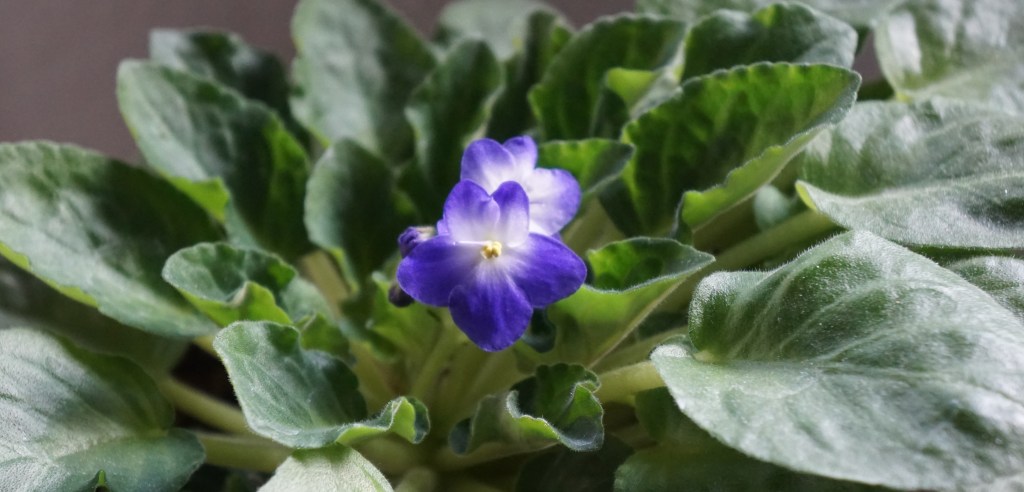
Grief appears on regular days too. It leaves little reminders to certify our humanity and frailty. It lingers in the cool air and warm sunshine of a spring day. It hangs in the lyrics of an old nostalgic tune, I’ll Be Seeing You, sung by Peggy Lee. It grows on the window sill in the perennial bloom of an African violet.

It’s been eight years since my mother died at age eighty-nine. January 26, 2013 was a bitter morning in the Chicago suburbs, meteorologically and personally. About 2 a.m., my sister Diane called with the news.

Immediately, Tom and I bundled up and drove twenty miles south (from our home in Mount Prospect to Mom’s third-floor apartment at Brighton Gardens in Wheaton, Illinois).

That morning I kissed my mother’s forehead and patted her hand one final time. As my husband and I left the building, a full moon dominated the frozen sky.

Grief moved in with us that day. At the time, I didn’t know it would repurpose itself and transform from a stone to a familiar fog to a blanket of possibilities.

But grief is cagy. It can be an enemy or an ally. It became my muse, the catalyst for my creativity. With grief by my side, between 2014 and 2016, I wrote and published From Fertile Ground.

Over the past five years, friends, acquaintances, and readers I will never meet in person have posted heartfelt reviews. They have told me how the story of my grief–and my grandfather’s and mother’s written legacies–helped them examine their lives, process their sadness, and restore some semblance of hope.

Writing the book was my catharsis too. Like the final line from the Peggy Lee tune which describes my feelings of loss perfectly–“I’ll be looking at the moon, but I’ll be seeing you”–the pages of my book are permanent evidence of the grief I felt, which diffused with the passing of eight years. On days when I need confirmation of what 2013 to 2016 felt like, I can pick up my book and remember.

After our wise, nature-loving mother died, Diane did a kind thing. She divided up Mom’s African violets–one a shade of pink, the other a purplish blue–for the two of us to carry forward and display in our respective homes.

The plants originated in St. Louis in the 1980s or 1990s. They traveled to the Chicago area with Mom in 2004 when she moved north to be closer to us in her final years.

In July 2017, when Tom and I left Illinois and moved to Arizona, we wedged them in a laundry basket in the back seat of our Hyundai Sonata. Ultimately, we deposited them on our southern-facing window sill in Scottsdale.

In 2019, the pink African violet died, but the lone one is a survivor. It captures the warm rays of the Sonoran Desert sun. It blooms every winter and has chosen this week–eight years after Helen Johnson left the world–to dazzle us once again.

When I examine the vibrant blues and greens the plant offers, it eases my mind. It reminds me that memories of the mother I loved and her lasting impact are never far away. That the mind-numbing initial waves of tears and grief led me to a softer reality, which is bearable, tender, and life affirming.

Even as we wander in the dark through the depths of this global pandemic, there is strange comfort knowing grief will always be there in some form or another to acknowledge our past, present and future losses. Because if grief never appeared, we would discover a harsher reality … that we never loved at all.

Thank you, grief, for filling the void. I’ll be seeing you.

A New Day in History

As a memoir writer, I usually look for clues from the past to enlighten the present. Or signs from nature, such as the cottonwood trees, which I gravitate toward on my walks on the edge of the Desert Botanical Garden. Even in mid-winter here in Arizona, they cling to their brown autumn leaves as they touch another blue Sonoran sky.

No matter what happened yesterday or the day before — or which leaves hold on, fall, or decompose in the desert sun — January 20, 2021 is a day unto itself. It is a twenty-four-hour period filled with residual pain and new possibilities.

Despite the intense security required in Washington, D.C. to stage the inauguration of our forty-sixth president, the deed is done. Joe Biden is now our president; Kamala Harris our vice president. She is the first woman — the first woman of color — to hold this high office. That is something grand to celebrate.

Yes, the years, months and days leading up to this have been marred by a failed presidency, political upheaval, social distress, a January 6 insurrection, and the awful reckoning of more than four hundred thousand lives lost in the United States in one year to this pandemic.

But the light flickering in the sky above the cottonwood trees on this day feels different to me. The atmosphere on the steps of the U.S. Capitol is also new. There is unity in the messages, diversity in the images, and poetry in the air.

Finally, at least for one day, we have something to be proud of again as a nation. It is a new day in history.

The Warmth of a Good Story

Our best and worst memories have a way of softening and sharpening as we age. Like photos pressed in the pages of a family scrapbook, some of them fade and crack. Others, through the lens of our selective memory, grow more brilliant.

I don’t know what it will feel like to look back on 2020 in ten or twenty years. But, as we work to survive the entirety of this preposterous year, I suspect our memories will follow the same unpredictable pattern.

On the morning of December 25, after a breakfast of scrambled eggs and English muffins, my husband and I watched A Christmas Story.

Like many of you, I have seen this satirical and nostalgic film countless times. It’s one of my holiday favorites. The 1983 movie, directed by Bob Clark, is narrated by author Jean Shepherd and based on his stories of growing up in the Hammond, Indiana area (near Chicago) in the 1940s.

The writing is witty and the editing superb, but what I love most about the film (starring Melinda Dillon, Daren McGavin, and Peter Billingsley) is the sense of time and place it captures.

Like the endless scarves, hats, gloves, and buckled boots the kids wear to protect themselves from the cold and piles of snow, the film produces layer upon layer of lasting humor, warmth and comfort … told through the eyes of a nine-year-old boy. It is an exaggerated ode to a lost era in the United States. For all of these reasons, it is imminently watchable despite its constant availability.

In hindsight, warmth also was the feeling I intended to capture in my book, Tales of a Rollercoaster Operator, published in 2017. I wanted to leave behind a record of what it felt like to grow up in the hot St. Louis, Missouri suburbs in the 1960s and 70s.

It was an age when kids ran barefoot, chased ice cream trucks, played with marbles, watched dads toss horseshoes, cuddled with puppies in backyard pools, performed tricks for Halloween treats, banged pots and pans outside to celebrate New Years Eve, sucked on popsicles to beat the heat with the neighborhood kids on scorching summer afternoons, and (in my case, at the age of sixteen in 1974) learned to operator a rollercoaster.

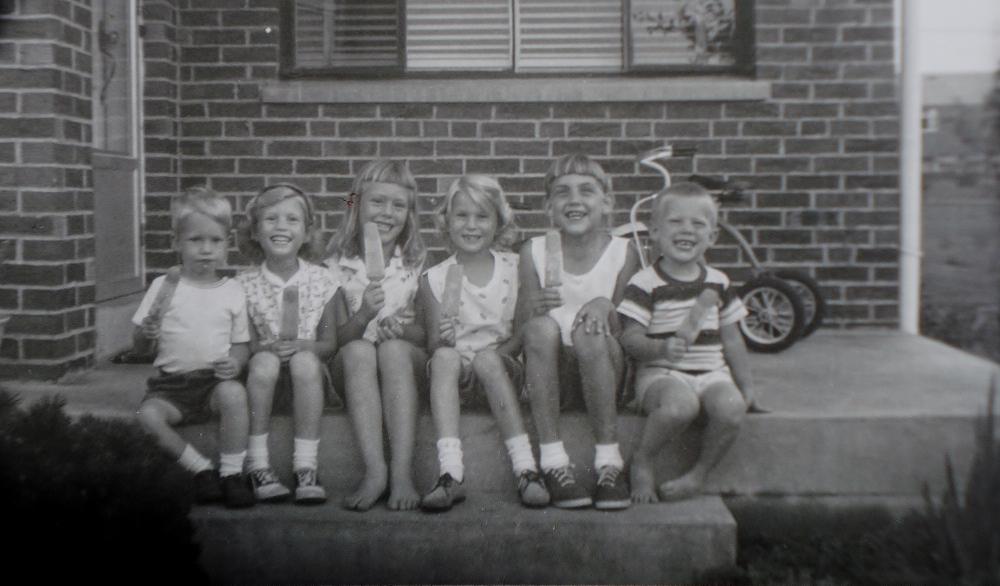
This was my front porch (circa 1960) in Affton, Missouri: Jimmy; Marianne; Diane; Suzy; Carol; and me. My mother sealed the moment with the help of her Brownie camera. Now the image lives forever in my light-hearted book of Missouri memories.

It certainly was a more innocent time. But, as we grew, the world became more complicated. We watched and listened to Walter Cronkite. We believed everything he told us through our black-and-white TVs. That included images and stories of JFK’s assassination, the first steps on the moon, Watergate, and the raging Vietnam War.

At any rate, if you’re looking for a little warmth and nostalgia to get you through the winter, I have an antidote. Download a free copy of Tales of a Rollercoaster Operator through the end of 2020.

As we prepare to cross into a new year and hope for brighter days ahead, maybe my stories of a bygone period in American life will inspire you to laugh a little, revisit your youth, dust-off your favorite memories, and find new meaning in the indelible moments that stay with you for a lifetime.