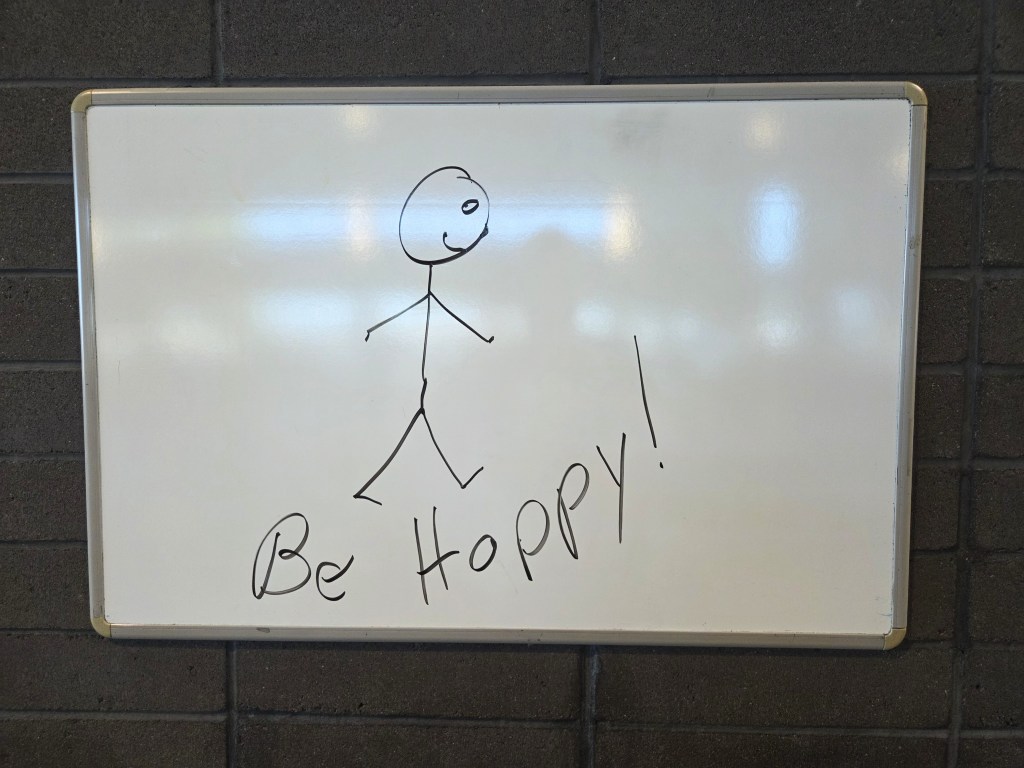
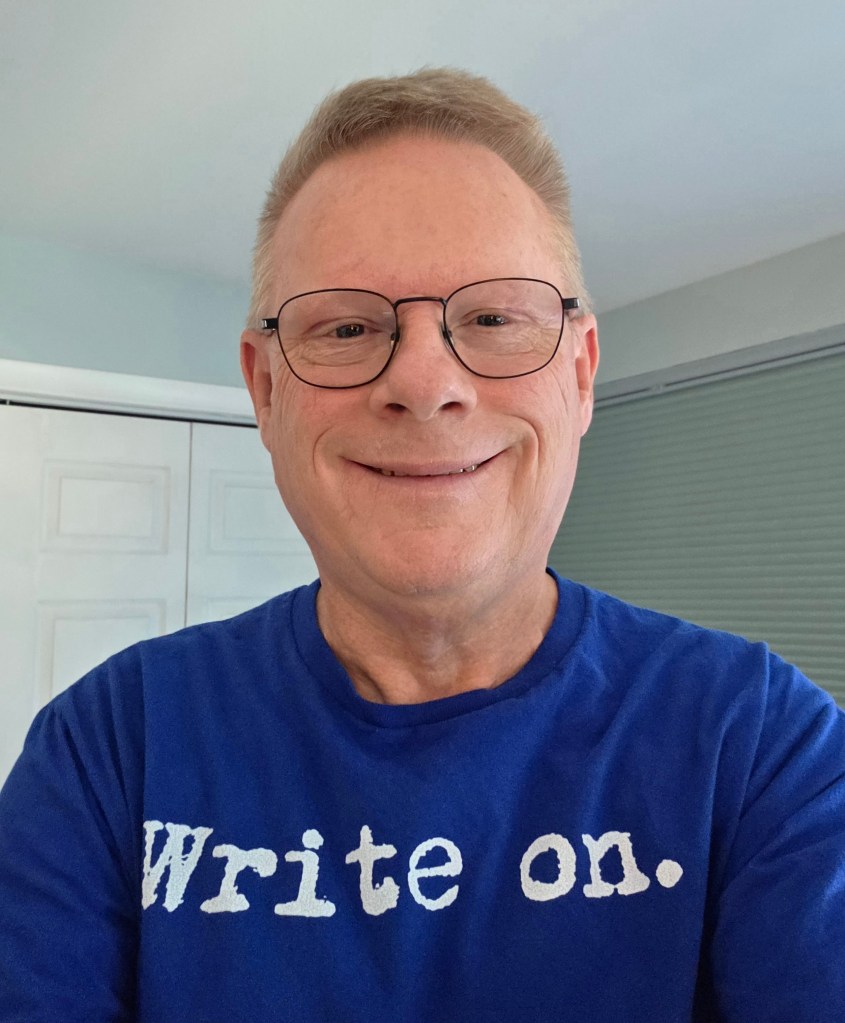
At 10:30 a.m. today, after I dismounted my treadmill at the Scottsdale Community College fitness center, I turned left. This primitive, but meaningful, message scrawled on a nearby whiteboard captured my attention.
Yes, I am relieved and happy about the blue tsunami that made landfall in the United States last Tuesday. (If you squint, you can detect blue glimmers of it in the reflection of my photograph. Well, not really. Actually, those are the blue skies of Arizona bouncing through western-facing windows.)
The full effects of our political sea change–a true mandate from the American people cast across red, blue, and purple states–won’t become clear until January 2027. That’s when a newly elected, eager-and-diverse slate of Democrats take their seats in Washington, D.C., before a mountain of problems to solve.
But in this period of a landmark transition, we should Be Happy as individuals and as a nation. It feels like we finally may be stepping away from the precipice of our demise, like we have turned a treacherous corner, like we have come to our senses and rediscovered our best intentions before the stroke of midnight.
In this month of Thanksgiving, this seismic-and-hopeful political shift is something to celebrate and truly be thankful for.
Sixes are wild. I have written and published six books–most of them in my sixties. Meanwhile, last Friday, I welcomed another group of writers to my sixth memoir-writing workshop at the Scottsdale Public Library.
Each writer arrives in the room with their own suitcase of metaphorical stories to tell. In my role as leader and facilitator, I encourage them to unpack the most meaningful, vivid ones.
There are eleven participants in the current class. We’ll have two more three-hour sessions together. One is tomorrow. The last one is October 30. Though we meet just three times in person, I try to cram as much writing into our time as possible.
My goal is for them to find and develop creative momentum in this temporary writing community, then move ahead independently to write a personal story. I focus on helping them tell ONE story from their lives, rather than THE story of their lives. I think that makes the process less intimidating.
This week’s writing? To describe a setting that is memorable from their lives. It might be a city, town, or something more specific. Perhaps a room in a house where something important occurred. In a worksheet I gave them, I say, “What does this place look, sound, smell, feel, taste like?” Then, I ask them to include these sensory observations in the narrative of their story.
I work with the group to build trust right from the start of the workshop. So, I will keep their story submissions confidential. But suffice it to say, their “settings” stories they submitted run the gamut. The organic and raw nature of memoir writing is what I find my fascinating about the genre.
Last year when I first introduced this “settings” exercise in another of my workshops, I completed my own version of this exercise to see how it felt.
What I’ve written below is a description of one of my favorite cities in my home state … Flagstaff, Arizona. I’d love to know what you think. Send me a comment.
***
Like much of America, downtown Flagstaff lives in transition.
Wooden porches of once-proud homes sag and creak. They speak of generations of heavy snow, extreme temperatures, and familiar faces gone but not forgotten.
Scattered wildflowers bloom through deep cracks in sidewalks and curbs. Occasional murals–born and etched by Arizona artists–adorn avenues. They tell hardscrabble stories of past lives.
North and south of historic Route 66–on both sides of parallel train tracks that dissect and rumble through the town–entrepreneurs have stripped and transformed buildings. Trendy pizza joints, aspiring restaurants, cozy coffee houses, touristy bars, ski shops, reimagined inns, dental offices, healthcare clinics, law practices, and investment firms anchor street corners.
Some have since closed, casualties of the pandemic. The lucky ones endure, connecting bohemian neighborhoods within view of the breathtaking San Francisco Peaks.
The overall effect produces a block-by-block checkerboard of western resiliency, community pride, mountainside retreat, and twenty-first-century regrets.
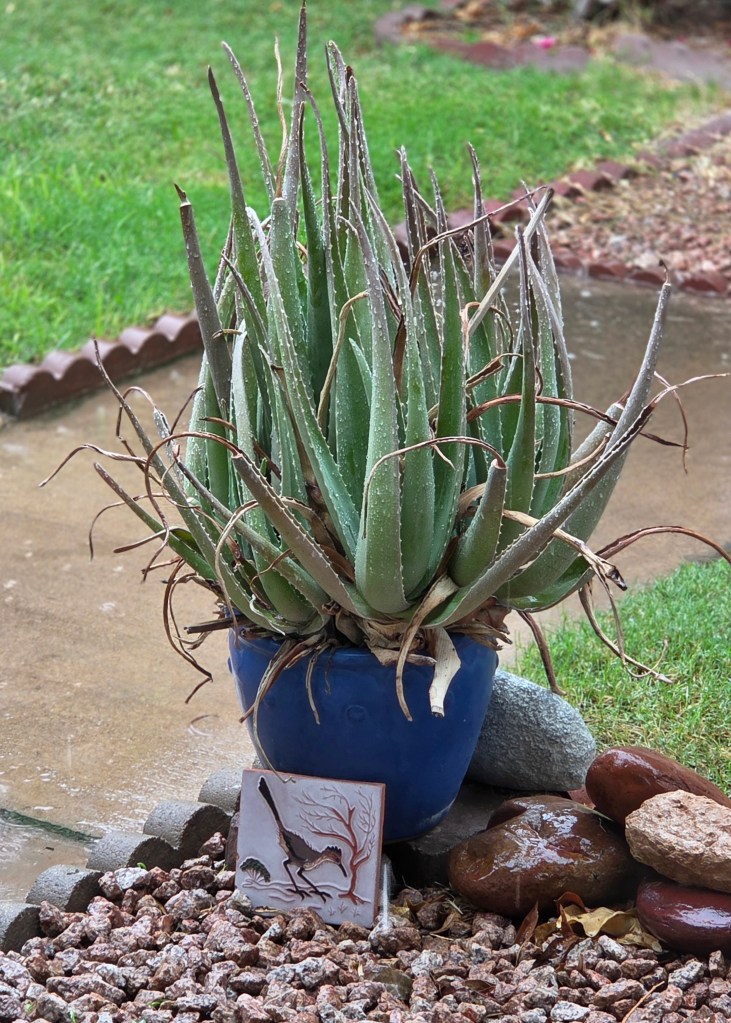
Waves of random showers soak once-parched plants on this wet October day. Some soothe forgotten succulents, while others cue autumnal chapters of bubbling baked apples, laced with sugar and cinnamon, brimming with melted butter, delivered simply and securely, without a dog-eared recipe, directly from her heart and Midwestern oven.
The sweet, fruity aroma stirs my creative spirit, fires my tired fingers, fuels my ever-willing voice, and ignites tomorrow’s best intentions to nurture seedlings of songs and stories that otherwise might never grow, never emerge, never be written.
And nights of our lives angling for the next fish.
We rush from place to place, moment to moment,
Often derailed and distracted by constant noise,
Often unfulfilled as the day’s last light descends.
Maybe, to catch the one we dream of catching,
It’s best to pause in silence at the water’s edge,
To give thanks for what passes before us,
To be still beside the simple silhouette cast.
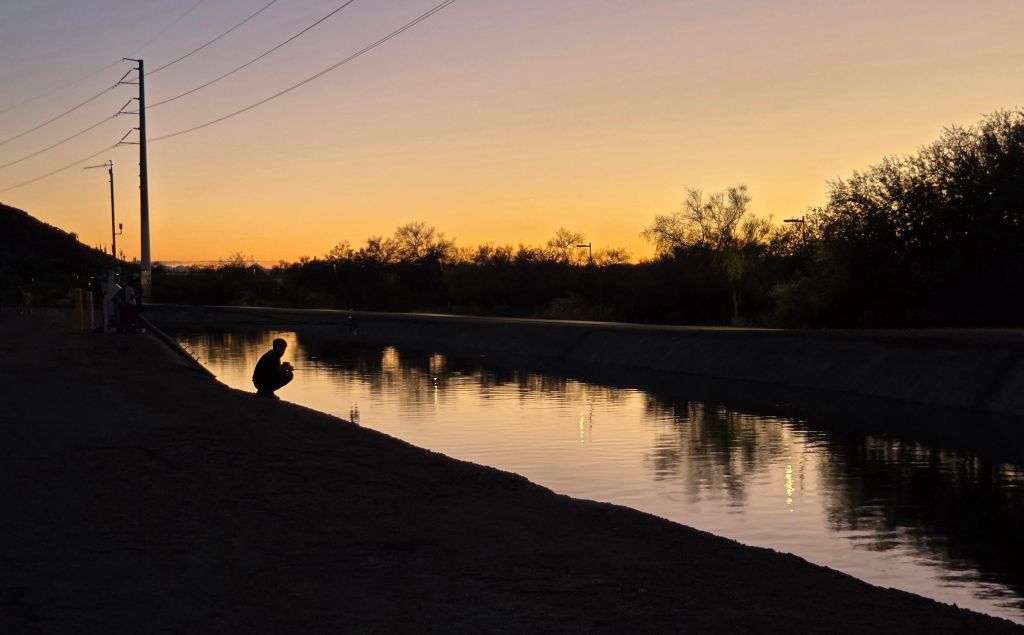
At dusk, on Sunday, October 4, 2026, I captured this silhouette of a boy waiting patiently for his next fish along the Crosscut Canal in Scottsdale, Arizona.
If you enjoyed reading my poem, check out my book of poetry, A Path I Might Have Missed. It (and all six of my books) are available on Amazon.
As Dad, Mom, Diane and I approached my grandparents’ rambling farm in Huntersville, North Carolina, in 1968 in our four-door Chevy Biscayne, waves of kudzu vine blanketed the trees.
At some point during our July vacation there, I remember my stoic maternal grandfather telling me this invasive plant, this weed, was blocking the sunlight.
Bit by bit, the kudzu was smothering the native plants and large trees in the southeastern United States.
In a metaphorical sense, I feel like one of those older trees–perhaps an oak or pine–that has grown through the seasons and spread its branches only to discover that the censorship and hate of our nation’s government (said kudzu vine) has insidiously wrapped itself around my trunk.
This is not a new development. I have been feeling this way for years. Trying to remain positive in the face of ICE raids, misogynistic slurs, shuttered healthcare programs, disregard for our most vulnerable citizens, the environment, and our right to a free press. The list of losses is endless.
Recently, my husband and I have lived firsthand through the threat of censorship in our community. It is causing us both great pain. It is also prompting me to realize how far we have fallen as a nation and what I am willing to tolerate or accept.
At some point, I will have more to say about this. I don’t know when or how. Suffice it to say, this kudzu vine–the 2026 version of the McCarthy era in the United States–is out of control.
I do believe that, ultimately, historians will shine light on whatever it is we are living through. I hope I live long enough to see the return of truth and reason and the eradication of these smothering vines.
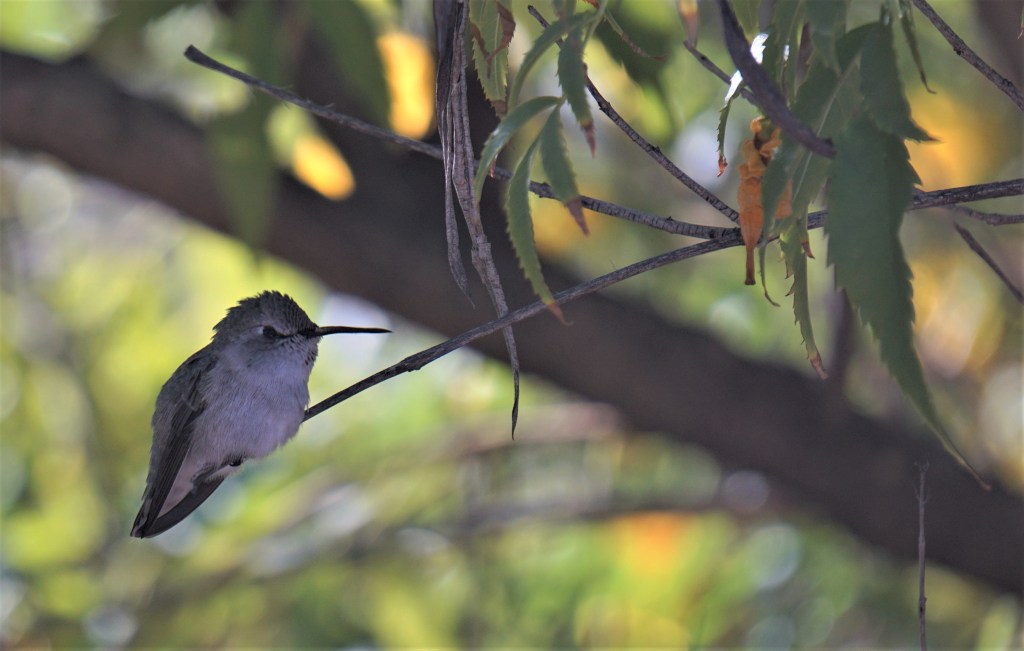
Lately, I feel like an anxious hummingbird, flitting about from one branch to another. Zooming in and out, searching for creative inspiration. Trying to find sweet nectar that will help me link one idea to the next.
Maybe it’s the late-summer desert doldrums. The intense Sonoran heat has worn me down. I don’t feel the impetus to write here as frequently as I once did.
Even so, I have experienced two moments of writing bliss in the past week. Both led me to draft deeply personal poems for members of my family–chosen and otherwise. At some point, I may decide to share them publicly, but not now.
Maybe this is simply what it feels like to be living in my “late sixties going on seventy” (sounds like a parody of a song from The Sound of Music) in a world gone mad.
All the while, I try to nourish myself.
I try to help others I love who have lost jobs or are battling cancer.
I play word games on my phone when I wake up each day.
I recall the stunning scenes and pine scents of western Canada.
I pack for my younger son’s wedding in Chicago this weekend.
I squeeze in another trip to the gym.
I watch the young-and-promising St. Louis Cardinals I root for self-destruct again in the late innings.
I download the music for my December choral concert and prepare for my next rehearsal.
I socialize with friends away from the heat produced in the Valley of the Sun.
I take afternoon naps to reboot my brain.
I prepare to lead another memoir writing workshop in October.
I recoup with my husband at home. We enjoy quieter moments in the confines of our Arizona abode.
Through it all, I wonder when or if I will rediscover the time and energy to complete another book.
I live in the Sonoran Desert and the Sonoran Desert lives in me. That’s been the case for nine years. My most prolific ones as a writer.
The language of the desert–like grains of sand that blow in through the door–is now part of my creative being.
Shimmering sunsets. Slithering lizards. Skittish quail. Stray cats. Spiky cacti and succulents. Scattering snowbirds. And those are just a sample from the letter “s”.
When I served as a “Writer in Residence” at the Scottsdale Public Library last spring, I prompted the writers in my workshop to explore the role setting plays in the stories of their lives.
I asked them to consider a place in their lives that is or was prominent and how that place might be considered a character in what they have to say. In the stories they want to show and tell.
The places I have lived or frequented have certainly provided texture to my existence and informed my perspective. The orange earth of the Carolinas. The rolling hills of Missouri. The flatlands of Illinois. The rugged buttes of the Arizona desert.
They represent distinct periods in my life, and–in hindsight–I now understand better why they each deserve their proximity across my body of literary work, six books … a lifetime of stories.
The heat here in July is intense. But it is bearable because the Sonoran Desert–even in its most torrid state–is otherworldly.
At times it feels as if I am living on the moon. The astonishing natural beauty and stately saguaros–sentinels that stand tall in valleys and on hillsides here–have led me to a creative destination outside the orbit of my midwestern sensibilities.
One where I “write on” … as I just celebrated my sixty-ninth birthday and begin this final lap in my sixties. Learning and growing. Teaching and influencing.
Standing tall as a gay man, a husband, a father, a writer. Proud as a saguaro despite my visits to the cardiologist and dermatologist to manage my personal frailties. Rooted to this vivid place, the Valley of the Sun, that is my home.
***
Note to those of you who live in the Phoenix metropolitan area: On Thursday, July 16, from 5 to 7 p.m., I will be signing and selling copies of my latest book, Sixty-Something Days, at Grounds on 2nd in Old Town Scottsdale, located at 3703 N. 69th St.
This charming neighborhood place (coffee and wine bar) is one of my favorite spots in our Scottsdale, Arizona, community. It truly is an inclusive, creative space my husband Tom and I frequent to write, read, and chill with friends. In fact, I wrote and edited a considerable portion of my latest book there.
If you are in the area, stop by to sell hello, grab a book and a glass of wine. I also will have a few copies of my other five books–memoirs, poetry, and short fiction–on hand in case you are looking for options to add to your summer reading list.
In April 2026, friends at the Scottsdale Public Library gave me this shirt after I completed my “Writer in Residence” stint there.
“But when the thermometer goes way upand the weather is sizzlin’ hot,mister man with a plan is not. ‘Cause it’s too, too, too darn hot.”
***
As the heat rolls into the Valley of the Sun this week–100-plus high temperatures through Saturday–this snappy tune, which Cole Porter wrote in 1948 for his Broadway show Kiss Me Kate, repeats through my brain.
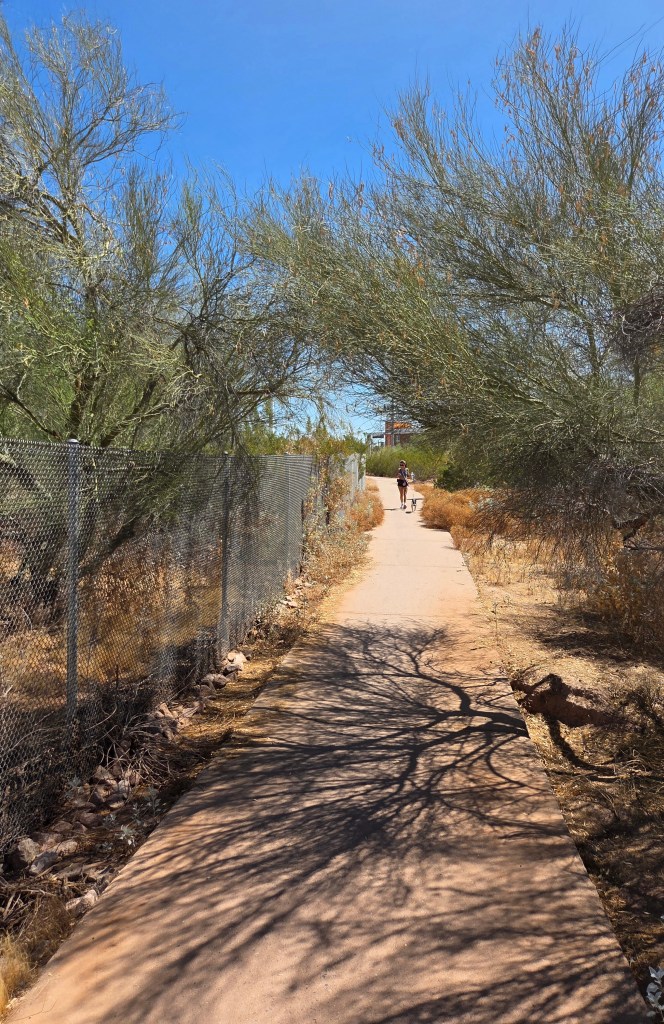
It’s certainly “Too Darn Hot” to hike outside in June here, unless you do it early in the day. That’s what I–and a young woman walking her Boston terrier–did Monday around 9 a.m. Nobody else was on the Papago Park trail near my home.
This morning I opted for swimming thirty lengths in the relative cool of Chapparal Pool. How I’ve missed submerging myself underwater (thanks to a couple of dermatological procedures that kept me at bay).
In the afternoons, you’re better off holding up in the Scottsdale Public Library to escape the heat. That’s where Tom and I have sequestered ourselves today, along with a few dozen others, strategically stationed at square wooden tables, hovering over their books and laptops.
Other than the heat references, why would I be channeling an old Broadway tune? Because my next choral concert with the Phoenix Gay Men’s Chorus–“Broadway Lights”– is fast approaching: June 27 (2 p.m. and 7 p.m.) and June 28 (2 p.m.) at Tempe Center for the Arts.
As described in our promotional materials, “It will be a spectacular celebration of some of Broadway’s most beloved musicals. From the soaring melodies of Wicked and The Sound of Music, to the show-stopping energy of Hamilton, Moulin Rouge!, Hairspray, Into the Woods, The Book of Mormon, The Wiz, and The Greatest Showman, this season finale is packed with music that has captivated audiences around the world.”
Coincidentally, “Too Darn Hot”–timed beautifully with the inevitable onset of our desert heat–is the closing number for Act One.
If you live in the Phoenix metropolitan area, step into one of the coolest concert venues around: the Tempe Center for the Arts. Get your tickets at http://www.phxgmc.org.
You may be wondering “Since it is Pride month, is there a LGBTQ Pride element to this concert?” The answer is a resounding “YES!”
My chorus mate August and I have teamed up to write the libretto for the concert. It features nine storytellers, who will describe how Broadway music has served as a beacon for the LGBTQ+ community in happy and sad times.
Together–the music, the stories, and a slate of hot dance numbers–will combine to create a full theatrical production, which our loyal audience has come to expect.
This will mark the completion of my ninth season (singing and writing for) with the Phoenix Gay Men’s Chorus.
I still recall auditioning for the chorus in August 2017. Tom and I had just moved to Arizona from the Chicago area.
I was depressed and anxious, desperately trying to regain my health, to uncover an unobstructed view after surviving a heart attack on the way west in July 2017 on our sixtieth birthday.
Finding the chorus, nurturing new friendships, and reigniting my passion for singing has been a key element in my recovery. It helped me lighten my mood and smile again.
When I step onto the stage again on June 27, I know I will feel grateful for the music and the nine years of creative discovery. But also, for this safe haven. This supportive community of people.
They have helped me to realize I still have a lot to give. I still have a lot to say. I still have the ability to stand on a stage and raise my voice, especially now as we cling to the hope that–maybe someday–our democracy can be salvaged.
Be forewarned. This is not a story about the 1967 British drama film starring Sidney Poitier.
Though as background, in a riveting performance, Poitier portrays Mark Thackeray, an unemployed Black American engineer who takes a teaching job in a working-class London school.
Thackeray clashes with a band of rowdy high school students. Along the way, he challenges their prejudices, navigates social barriers, and–ultimately–earns their respect with innovative teaching methods.
It’s a profound story about the challenges of educating through discrimination. In the end, we viewers feel the emotional triumph of Thackeray’s accomplishment and are treated to Lulu’s rousing rendition of the title song.
If you’ve never seen the iconic film, I recommend it. Few films are more reminiscent of the sights and sounds of the turbulent 1960s.
But what I really want to write about today is the labels we use to address one another, and how those monikers change as we age.
This morning, as I finished a thirty-five-minute set and dismounted a treadmill at the Scottsdale Community College gym, a fortyish man exercising behind me smiled and announced with kindness (not love), “Sir, you’ve dropped something.”
I glanced down to discover my Silver Sneakers membership card lying on the floor next to the treadmill. I thanked him profusely, picked up the card, then proceeded to wash down the machine with a disinfecting wipe.
This experience gave me pause. At this stage of life (my late sixties) I am most often addressed as “sir” in situations like this with strangers in public forums. Certainly not, “young man”. Because I am not that.
I am certainly no longer a “boy” either, even though I definitely identify as male (he/him) and an elderly neighbor refers to my husband Tom and me as “the boys”. (She has known Tom since he was a “boy” visiting his grandfather.)
Anyway, I suppose I am “sir” to the outside world as I approach my sixty-ninth birthday in July. Better than “Hey You!”, it’s a respectful, somewhat formal, fatherly (dare I say grandfatherly even if I am not one) acknowledgement of who I am and who I have become in my older-and-sorer-but-still-relatively-fit body.
But I hope you’ll always refer to me as “Mark”, that generally kind, friendly author and gay man who is doing his best to stay sane in this dystopian country by writing about our everyday happenings that fly under the radar.