Tag: writing

Elder Gay

I met a new friend for lunch yesterday. It’s a rather unusual, sweet story. For that reason, I need to write about it.

About three months ago, a young reporter sent me a message via my contact page. He saw a nostalgic piece I wrote about my college years at the University of Missouri.

It included a reference to Hinkson Creek and an abandoned quarry there, which I and many other college freshmen and freshwomen frequented on Friday nights to swim and party.

Apparently, the creek is now polluted–has been for more than thirty years–with an array of contaminants, but there is a push by various environmental groups to salvage it.

In his note, this earnest reporter–a journalism student at the same university I graduated from in 1979–wanted to talk with me to include a few comments about my recollections of Hinkson Creek. He wanted to give the story some texture and a touch of humanity.

As background, I don’t always respond to these sorts of messages. Too many of them are generated by bots or feel exploitive. But this one felt different. So, I responded.

A few days later, we had a pleasant phone conversation. I shared information about the fun I had with friends at Hinkson Creek in the mid 1970s and how sad it was for me to learn that Hinkson Creek is now unsafe due to the presence of E. coli in the water (according to data on the EPA website).

Before I said goodbye to the reporter, he told me how ironic it was that I lived in the Phoenix area, because he would be moving to the Valley of the Sun in July to be with his partner. I suggested he contact me again once he got situated here.

Last week, I received a text from this young man, this recent Mizzou journalism graduate who is forty-eight years younger than me.

He now lives in Phoenix and is looking for a writing job here. He included a link to the story he wrote which appeared in the Columbia Missourian with a few quotes from me.

It’s a thorough, well-researched story, but that’s not the point of my story.

Anyway, I thanked him for sending the link to me. He asked if I was still interested in meeting for lunch. I responded with a definite YES.

Yesterday afternoon–one day before the rain finally arrived to ease our parched earth here–we met in person.

This smart, enterprising, young gay man and I talked about his job search, my writing and my husband’s passion for films, how he and his partner met, his love of writing and music, his early impressions of Phoenix, and my recommendation that he find his place in the LGBTQA community here.

I told him that at this point in my life it is especially meaningful for me to help a younger man–a young gay man–by offering a little guidance in a harsh world.

He smiled when I told him I would pick up the check and–before we parted ways, but after I invited him and his partner to come to the next Phoenix Gay Men’s Chorus concert in December–he said jokingly that meeting me is kind of like having an “elder gay” to talk with.

Ordinarily, I wouldn’t want to be referred to as an “elder” anything. But in this case, it was a term of endearment. So, I laughed and accepted it that way.

***

My wise, sassy, and “elderly” Aunt Thelma once told me when she was in her late sixties, and I was about this young reporter’s age, that “we are all like ships passing in the night.”

I have always taken that to mean that life is fleeting, and that we should try to help each other around every turn. That we should try to do the right thing, because we never know what tomorrow may bring.

I think Thelma would have been proud of me yesterday.

Who could have imagined that a story about a polluted creek would lead to a pleasant lunch?

More important, that I might reach forward to help a young gay man, while looking back to remember that unrealized twenty-one-year-old-gay version of me who most certainly would have loved a little advice from an “elder gay” friend.
September Sadness

Over the weekend, I learned that one of Nick’s (my older son’s) high school buddies from the late 1990s/early 2000s, died recently of an apparent suicide. He was forty-two years old.

The timing of this devastating event for his family and friends has dredged up another dose of September sadness for me.

***

In September 2023, Tom and I received a letter in the mail from a close friend, who–less than a year before–had moved from the Phoenix area to another part of the country. I’ll call this friend Brett.

Brett’s snail-mail message was an eerie, lengthy, desperate, and personal admission–typed and folded meticulously. In it, Brett recounted a series of voluntary testosterone injections that messed with his body and mind.

He told us: ” … I had consulted with several friends in the medical field, all of whom told me there were no side effects to these testosterone injections and it would raise my numbers. Unfortunately, this did not turn out to be true … and it destroyed me forever.”

I know how much Brett cared for Tom and me, and we certainly listened and cared for him. “Our talks on our hikes always inspired me,” he went on to say. He told us he wished he had made better decisions in his new hometown.

When Tom and I finished reading the letter, we both felt dumbfounded. So much so that Tom ran a search on Brett’s full name. Brett’s obituary popped up.

Through a few subsequent texts and phone calls, we discovered Brett had committed suicide.

Evidently, Brett had left a short stack of letters to close friends in his home. Soon after he died, a member of his family mailed them.

In late September 2023, we heard from one of his brothers. He told us Brett had spoken highly of us. We told him how much we cared about Brett, and how frequently he mentioned his love for his family.

We sent him pictures of Brett, Tom and me banging on drums at the Musical Instrument Museum in Scottsdale. It was a fun day in May 2021, though you couldn’t see our smiles. We were wearing masks. It was the height of Covid.

We will never know the full detail of what happened to Brett or why he felt he had no recourse but to take his life. But, with time, Tom and I became acquainted with Brett’s mother and sister, too.

I am certain that talking with us about Brett provided much-needed comfort, but I can’t presume to know the devastation of what they feel when Brett’s birthday appears on the calendar every January … or when this day–September 8–reignites the fire of grief.

It is an endless nightmare.

***

Depression doesn’t only emanate from one man’s worries over his testosterone levels.

The division in our country in 2026 boggles the mind. So many people live in fear and isolation as our nation’s government–and many of the institutions we once trusted–breeds disarray, pain, anxiety, and uncertainty.

If you know someone who is struggling mightily, I encourage you to reach out to them and lend a listening ear.

Or, if that person in pain is you, please know that you matter. Help is available around the clock.

Call or text 988 to be connected to the National Suicide Prevention Lifeline. Do it for yourself. Do it for Brett.

Whether you are facing mental health struggles, emotional distress, alcohol or drug related concerns, or just need to talk with someone, a caring counselor will provide confidential emotional support.

Remember, you are not alone.

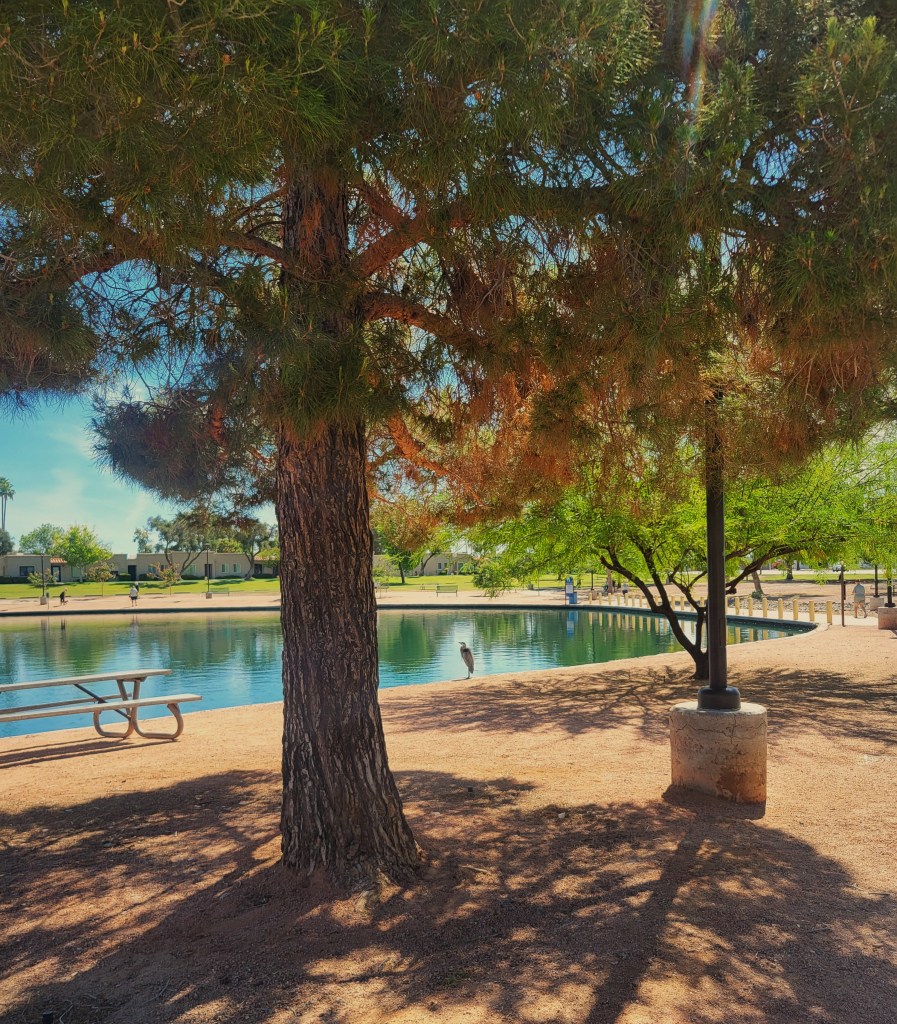
A lone blue heron stands at the water’s edge at Chaparral Lake in Scottsdale, Arizona.

A Dad’s Dream

Though nothing is predictable in 2026, the arc of every life includes mostly ordinary activities: going to work; shopping for groceries; filling up the gas tank; navigating small and large challenges that enter unannounced.

But it is the less frequent, extraordinary moments–the rites of passage–that outweigh the mundane tasks of life. Graduations. Weddings. Births. Deaths. They supersede in our psyches. They flicker forever in our memories.

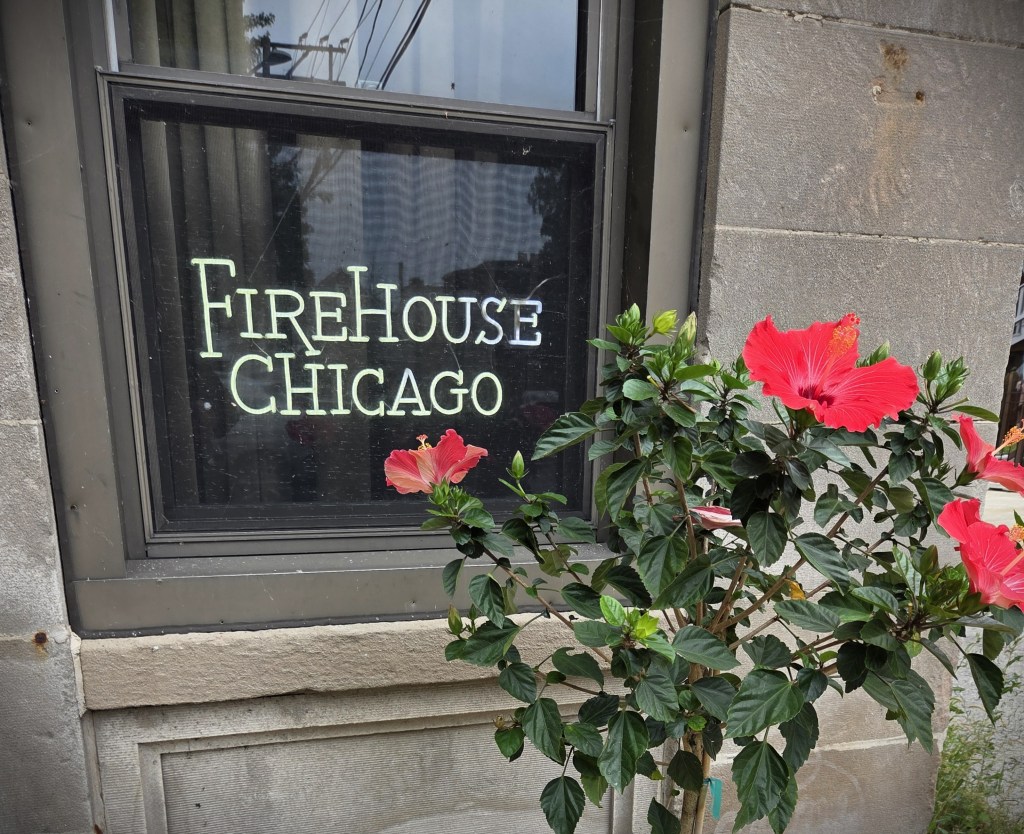
On Saturday, August 29, one hundred and twenty of us gathered at the Firehouse Chicago (a decommissioned firehouse transformed into a wedding venue) in the Edgewater neighborhood of the Second City. We came to witness the marriage of Kirk and Jennifer, my younger son and daughter-in-law.

It is a dream come true for any parent to see their adult child find their own path. To be more specific, this dad survived a heart attack on his sixtieth birthday. So, living to see Kirk marry the one he loves–the one who loves him–is the proverbial cherry on top of a hot fudge sundae.

Jennifer’s and Kirk’s early-evening, outdoor wedding ceremony was a cultural tapestry. It melded elements from their collective Jewish and Catholic upbringing.

For instance, they were married under a chuppah, a rectangular wooden structure laden with flowers. In the Jewish faith, it symbolizes the home they will build together.

After they shared their vows, a proud gay couple (my husband Tom and I) read the couple’s loving intentions for their marriage, for their families, for those who have gone before them, for their community, for the world at large in need of a hefty infusion of love, hope, humanity, equality. In every instance, the response from the congregation came in return: “Hear Our Prayer.”

A brief, unexpected shower in the middle of the ceremony–ushered in by rolling gusts of wind and the steady thrum of chirping cicadas–never dampened our spirits. It only added to the texture of the day.

As I write this, Tom and I are back home in Scottsdale, Arizona. I am fighting off the remnants of a cold. We have unpacked our bags from Chicago but haven’t yet unpacked every indelible moment from this whirlwind family wedding.

I do know in my heart that this was more than a joyous wedding. It was a healing experience to mend fences with my ex. To conjure the spirits of family members gone but still loved. To stand tall beside my husband for all the world to see. To feel true love, palpable and present, beaming between my son and his bride.

All of it gave me hope.

Oh, Hummingbird

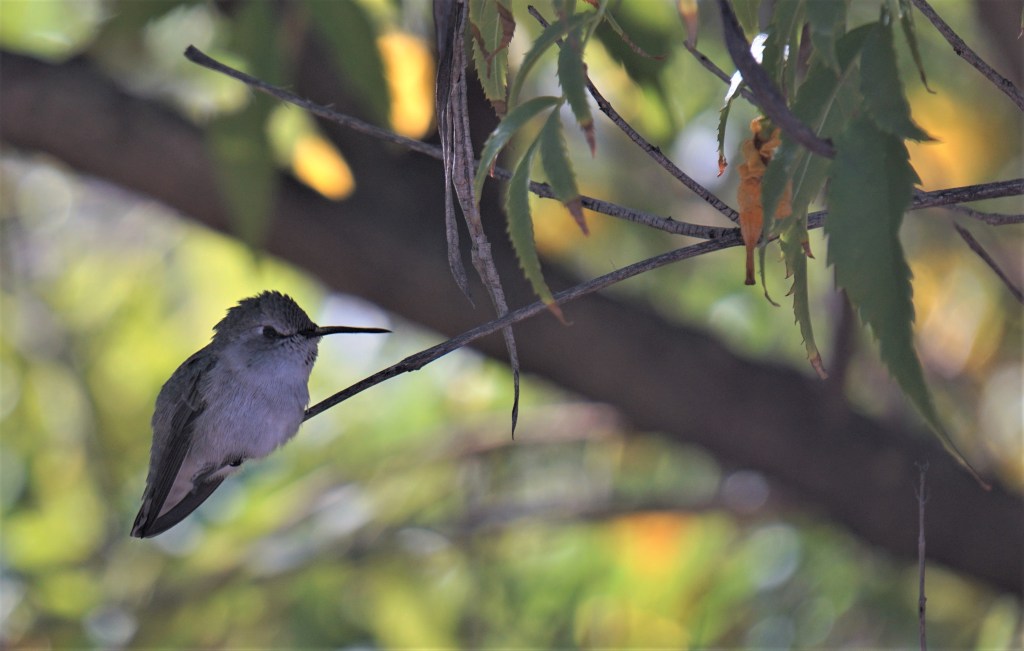
Lately, I feel like an anxious hummingbird, flitting about from one branch to another. Zooming in and out, searching for creative inspiration. Trying to find sweet nectar that will help me link one idea to the next.

Maybe it’s the late-summer desert doldrums. The intense Sonoran heat has worn me down. I don’t feel the impetus to write here as frequently as I once did.

Even so, I have experienced two moments of writing bliss in the past week. Both led me to draft deeply personal poems for members of my family–chosen and otherwise. At some point, I may decide to share them publicly, but not now.

Maybe this is simply what it feels like to be living in my “late sixties going on seventy” (sounds like a parody of a song from The Sound of Music) in a world gone mad.

All the while, I try to nourish myself.

I try to help others I love who have lost jobs or are battling cancer.

I play word games on my phone when I wake up each day.

I recall the stunning scenes and pine scents of western Canada.

I pack for my younger son’s wedding in Chicago this weekend.

I squeeze in another trip to the gym.

I watch the young-and-promising St. Louis Cardinals I root for self-destruct again in the late innings.

I download the music for my December choral concert and prepare for my next rehearsal.

I socialize with friends away from the heat produced in the Valley of the Sun.

I take afternoon naps to reboot my brain.

I prepare to lead another memoir writing workshop in October.

I recoup with my husband at home. We enjoy quieter moments in the confines of our Arizona abode.

Through it all, I wonder when or if I will rediscover the time and energy to complete another book.

The Language of the Desert

I live in the Sonoran Desert and the Sonoran Desert lives in me. That’s been the case for nine years. My most prolific ones as a writer.

The language of the desert–like grains of sand that blow in through the door–is now part of my creative being.

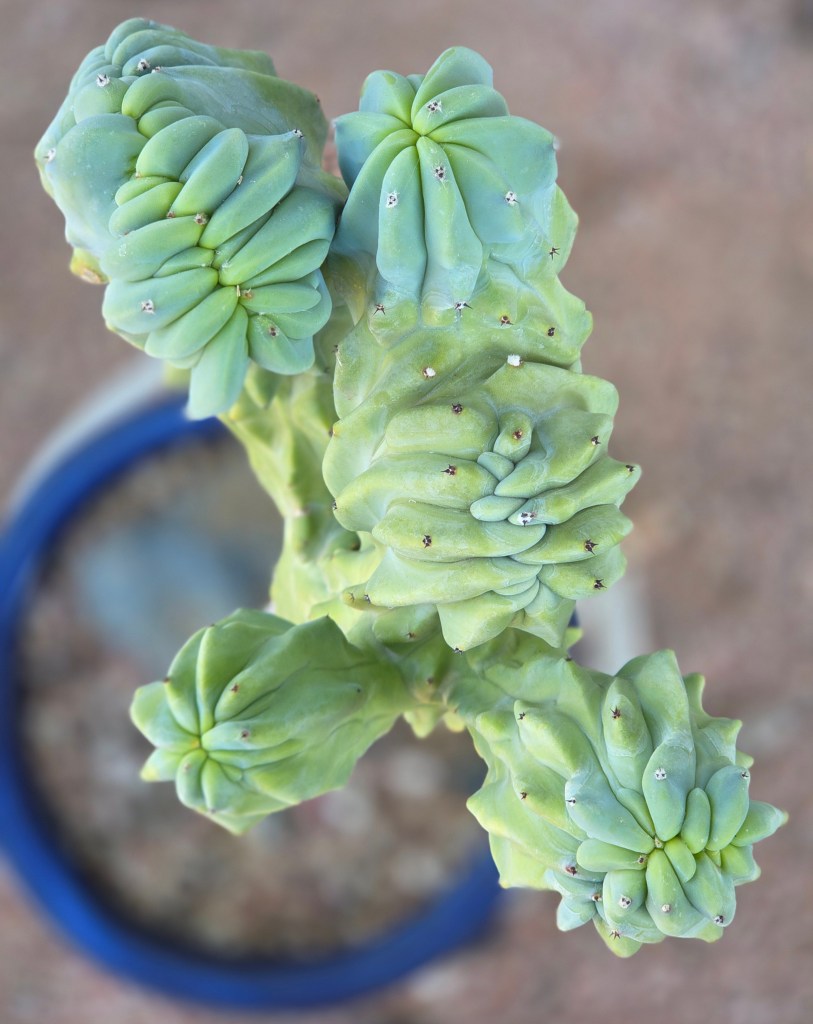
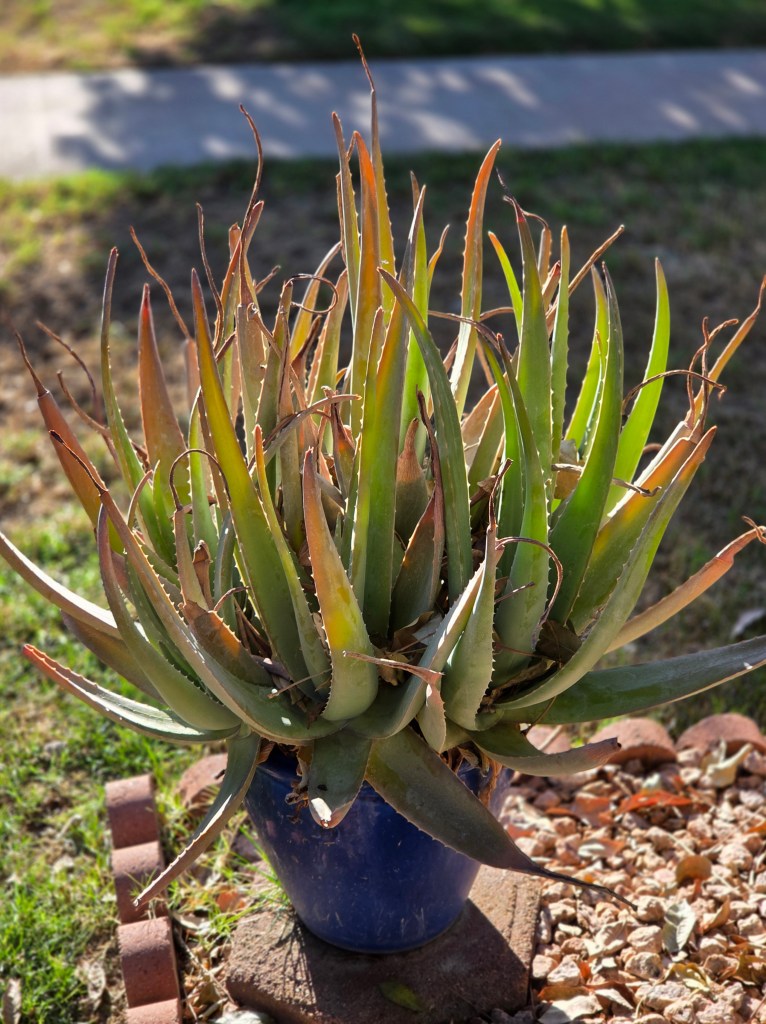
Shimmering sunsets. Slithering lizards. Skittish quail. Stray cats. Spiky cacti and succulents. Scattering snowbirds. And those are just a sample from the letter “s”.

When I served as a “Writer in Residence” at the Scottsdale Public Library last spring, I prompted the writers in my workshop to explore the role setting plays in the stories of their lives.

I asked them to consider a place in their lives that is or was prominent and how that place might be considered a character in what they have to say. In the stories they want to show and tell.

The places I have lived or frequented have certainly provided texture to my existence and informed my perspective. The orange earth of the Carolinas. The rolling hills of Missouri. The flatlands of Illinois. The rugged buttes of the Arizona desert.

They represent distinct periods in my life, and–in hindsight–I now understand better why they each deserve their proximity across my body of literary work, six books … a lifetime of stories.

The heat here in July is intense. But it is bearable because the Sonoran Desert–even in its most torrid state–is otherworldly.

At times it feels as if I am living on the moon. The astonishing natural beauty and stately saguaros–sentinels that stand tall in valleys and on hillsides here–have led me to a creative destination outside the orbit of my midwestern sensibilities.

One where I “write on” … as I just celebrated my sixty-ninth birthday and begin this final lap in my sixties. Learning and growing. Teaching and influencing.

Standing tall as a gay man, a husband, a father, a writer. Proud as a saguaro despite my visits to the cardiologist and dermatologist to manage my personal frailties. Rooted to this vivid place, the Valley of the Sun, that is my home.

***

Note to those of you who live in the Phoenix metropolitan area: On Thursday, July 16, from 5 to 7 p.m., I will be signing and selling copies of my latest book, Sixty-Something Days, at Grounds on 2nd in Old Town Scottsdale, located at 3703 N. 69th St.

This charming neighborhood place (coffee and wine bar) is one of my favorite spots in our Scottsdale, Arizona, community. It truly is an inclusive, creative space my husband Tom and I frequent to write, read, and chill with friends. In fact, I wrote and edited a considerable portion of my latest book there.

If you are in the area, stop by to sell hello, grab a book and a glass of wine. I also will have a few copies of my other five books–memoirs, poetry, and short fiction–on hand in case you are looking for options to add to your summer reading list.

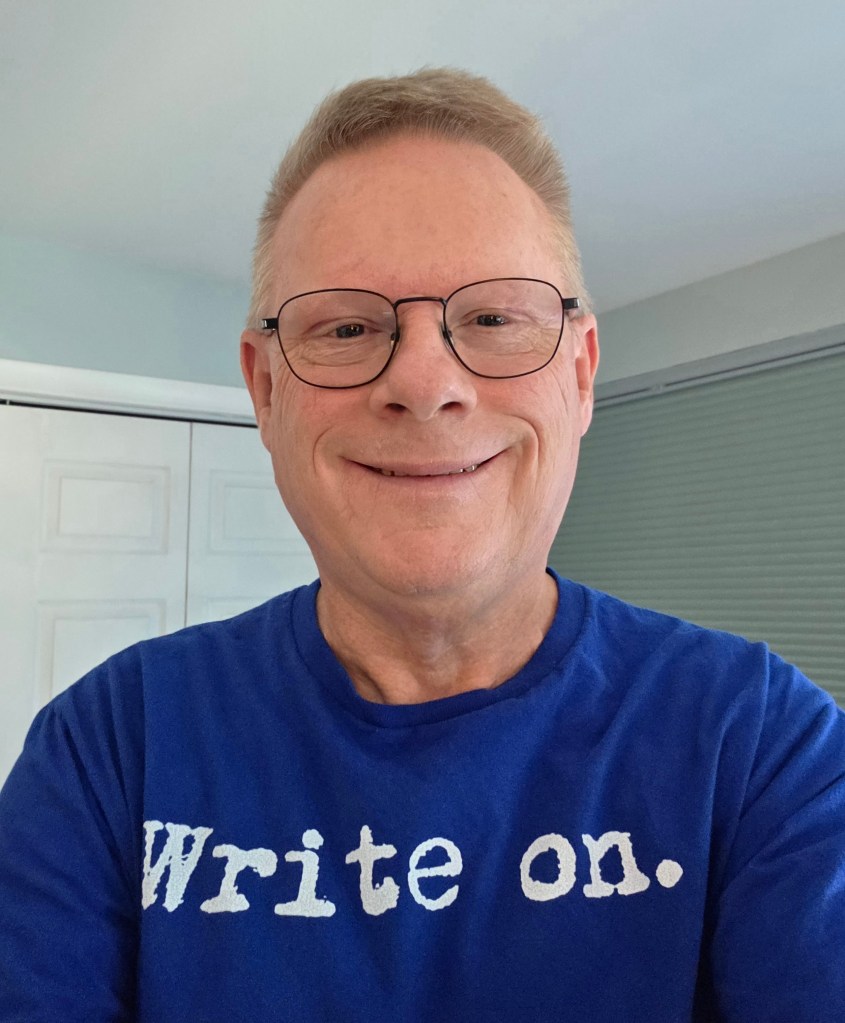
In April 2026, friends at the Scottsdale Public Library gave me this shirt after I completed my “Writer in Residence” stint there.

Show Buzz

Nine days ago, I wasn’t sure I would be well enough to take the stage with the Phoenix Gay Men’s Chorus for our fabulous Broadway Lights show June 27 and 28 at Tempe Center for the Arts.

I contracted some sort of viral infection (not Covid) that pounded my head, ravaged my gut, kept me queasy, and spurred me to take a quick Saturday visit with my husband to an urgent care facility in south Scottsdale.

This all happened while my chorus mates sang and danced their way through an all-day Saturday rehearsal.

But, remarkably, after plenty of fluids and rest, I reemerged a week ago more like myself, five pounds lighter, and ready to embrace another dazzling concert experience.

There is something mysterious about the process of coming together with a group of friends to create a great show. You endure the frustrating moments when the energy isn’t quite there. When the mics aren’t working properly. When the entrances are slow. When you turn the wrong way or sing the wrong note.

But eventually if you work long and hard enough–and all goes well enough–the magic appears. The doubts fade away. The voices and spirits rise. The lights come up and the audience appears in large numbers. They applaud, laugh and cry when they are supposed to. They even stand up and cheer with abandon.

In those moments, as you gaze into the throngs from the top riser you are reminded again why you love to sing. Why you love live theatre. Why you are thankful for Being Alive (a Stephen Sondheim number we performed from his musical, Company).

In addition to singing in this concert, I co-wrote the libretto for Broadway Lights and coached nine storytellers. They channeled their acting chops to fuse the swells of Broadway music with stories that illuminated the joys and heartaches of our LGBTQ+ lives … angsting about a first date, obsessing over a “crush”, remembering a beloved uncle who died of AIDS, returning home for a grandparent’s birthday as the person you were meant to be, celebrating a joyous wedding day, standing up against the injustices of life, and embracing the beacon of Broadway music that soars through our souls.

It’s a lot of work, but a labor of love. Love for the music. Love for the singing. Love for the community of people I perform with. Love for the audience who probably needed to be there to hear beautiful, powerful voices that transcend the ever-present noise of our American lives.

***

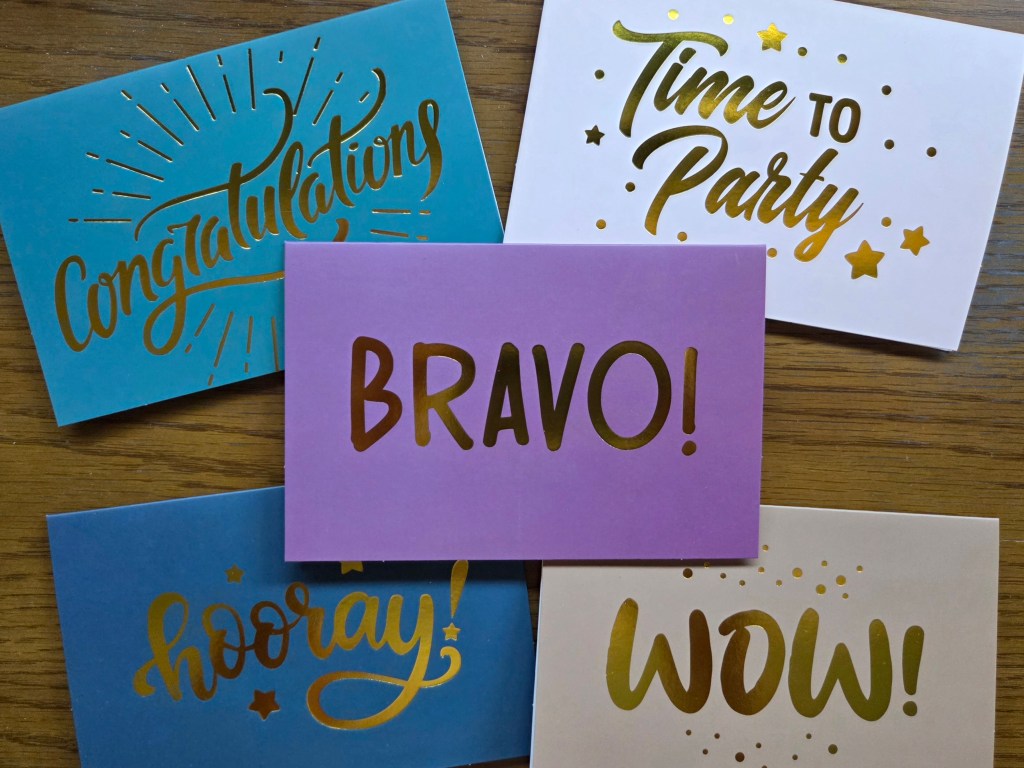
A few years ago, our chorus tried something new. For a small donation to the Phoenix Gay Men’s Chorus, we invited our loyal patrons to write a few words of encouragement on a “Bravo” notecard to be delivered backstage to someone in the chorus they love, or know, or simply want to support.

I was honored to receive several “Bravo” messages over the weekend. The loving, handwritten words from my husband, chosen family, community friends, and new acquaintances touched me deeply.

Today, tomorrow, and beyond I will treasure them and the memory of standing and singing once more … side-by-side … with my chorus friends. My chosen family.

Not Like the Others

As a kid of the 1960s and 70s, I knew I was not like the other boys. It didn’t mean I was special. It just meant I was different.

While I was more verbal, intuitive, and sensitive than most boys at ten, twelve, fourteen, and so on, I didn’t have the language, understanding, or role models to help me explain how I was different.

Instead, I craved the word games and visual puzzles in Highlights magazines in doctor and dentist office waiting rooms, which prompted me to find the differences–the missing pieces–among a pageful of images.

All the while, I subverted my attractions for other boys–my genuine feelings for other people in general–to conform with the suburban norm. I didn’t dare to be different, but I always admired the kids who did.

Decades later, I’m comfortable in my body. As a visible member of the LGBTQ+ community in the Phoenix metropolitan area, I have no difficulty wearing goofy socks, pastel colors, or bold rainbow-colored sneakers.

During the first half of May, I captured these ten photos of items close to home that caught my attention or grabbed my interest. Each is beautiful in its own way. The final one–like me–is clearly not like the others.

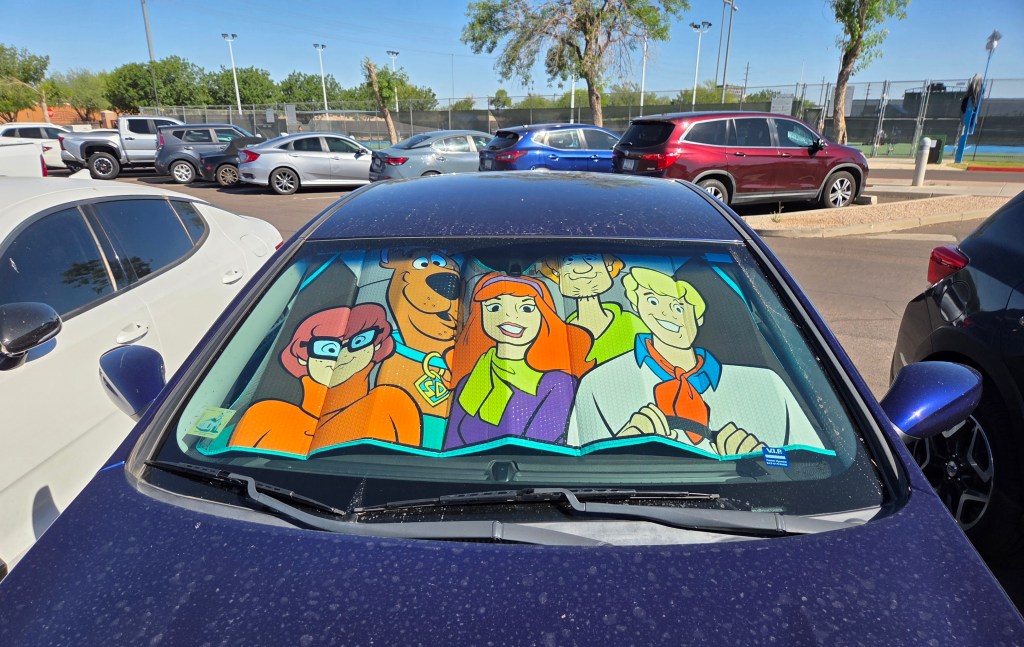
As the summer heat settles in here in Scottsdale, Tom and I will apply our Scooby-Doo sunshade (replacing the plain old silver one we bought nine years ago) to the windshield of our Hyundai Sonata whenever we park our vehicle under flaming blue skies.

It’s our way of protecting ourselves (and our hands when we reenter our sedan and grab the steering wheel), while telling the world it’s okay to remember the light-hearted moments of our past lives … to be playful no matter our age … to take pride in being different in these Sixty-Something Days.

To Sir, with Love

Be forewarned. This is not a story about the 1967 British drama film starring Sidney Poitier.

Though as background, in a riveting performance, Poitier portrays Mark Thackeray, an unemployed Black American engineer who takes a teaching job in a working-class London school.

Thackeray clashes with a band of rowdy high school students. Along the way, he challenges their prejudices, navigates social barriers, and–ultimately–earns their respect with innovative teaching methods.

It’s a profound story about the challenges of educating through discrimination. In the end, we viewers feel the emotional triumph of Thackeray’s accomplishment and are treated to Lulu’s rousing rendition of the title song.

If you’ve never seen the iconic film, I recommend it. Few films are more reminiscent of the sights and sounds of the turbulent 1960s.

But what I really want to write about today is the labels we use to address one another, and how those monikers change as we age.

This morning, as I finished a thirty-five-minute set and dismounted a treadmill at the Scottsdale Community College gym, a fortyish man exercising behind me smiled and announced with kindness (not love), “Sir, you’ve dropped something.”

I glanced down to discover my Silver Sneakers membership card lying on the floor next to the treadmill. I thanked him profusely, picked up the card, then proceeded to wash down the machine with a disinfecting wipe.

This experience gave me pause. At this stage of life (my late sixties) I am most often addressed as “sir” in situations like this with strangers in public forums. Certainly not, “young man”. Because I am not that.

I am certainly no longer a “boy” either, even though I definitely identify as male (he/him) and an elderly neighbor refers to my husband Tom and me as “the boys”. (She has known Tom since he was a “boy” visiting his grandfather.)

Anyway, I suppose I am “sir” to the outside world as I approach my sixty-ninth birthday in July. Better than “Hey You!”, it’s a respectful, somewhat formal, fatherly (dare I say grandfatherly even if I am not one) acknowledgement of who I am and who I have become in my older-and-sorer-but-still-relatively-fit body.

But I hope you’ll always refer to me as “Mark”, that generally kind, friendly author and gay man who is doing his best to stay sane in this dystopian country by writing about our everyday happenings that fly under the radar.

Another Orbit

This is my space, but I feel it has eluded me lately in the blur of life.

Like the game of Chutes and Ladders, in this month of April I’ve moved forward a few paces–writing another meaningful libretto for the next Phoenix Gay Men’s Chorus concert, Broadway Lights, in late June–while sliding back to heal from physical and emotional setbacks: two discomforting dermatological surgeries; one momentous funeral for a close cousin.

Grief has a mysterious way of throwing you into another orbit. That is where I live and breathe right now. Part of me stands on the sandy soil of Scottsdale, Arizona. Another piece is spinning somewhere else in the stratosphere.

The loss of Phyllis cut close. Not only because I loved her. But because I know she loved me. And she was a significant part of the fabric of my young life in her proximity to others I loved. Others we loved. All of whom are gone.

Our grandparents, Albert and Louise. Her mother, Violet. My father, Walter. My mother, Helen. Our aunt, Thelma.

Despite my disrupted and sometimes traumatic home life in the 1960s–featuring my father’s bipolar swings and my mother’s evening coping mechanism behind the broadsheet of the St. Louis Post-Dispatch–love existed there in our suburban St. Louis house. Love I felt. Love I excavated. Love I salvaged and carried forward. Love I still feel today.

Phyllis appeared in our home a few times a year. Usually in July to celebrate my birthday in our big backyard and in December in our living room to share Christmas dinner and exchange gifts. She was an integral presence in those moments.

There is one other moment that was purely ours. It happened just once. She must have been twenty. I was ten. She was an undergrad at the University of Missouri in St. Louis (UMSL). We both loved sports. She invited me to join her at an UMSL Rivermen basketball game.

I don’t remember much about it … how we got there, what we said to one another … just that we sat side by side in the stands rooting for the Rivermen. I just remember being proud of her. She was pretty, smart, and fun … and she wanted to spend time with her young cousin. It touched me deeply

As I write this, I realize Phyllis represented a form of stability in my life at that time … an escape to a more even, peaceful place that no one in my family of origin could provide.

Identifying that helps me to realize why this loss has hit so hard.

***

On Wednesday, April 22–Earth Day–my husband and I attended a volunteer recognition event at the Scottsdale Public Library. Alexa, the supervisor of volunteers, recognized Tom for his outstanding-and-popular movie series–and then me for my memoir-writing workshops–at the library in 2025.

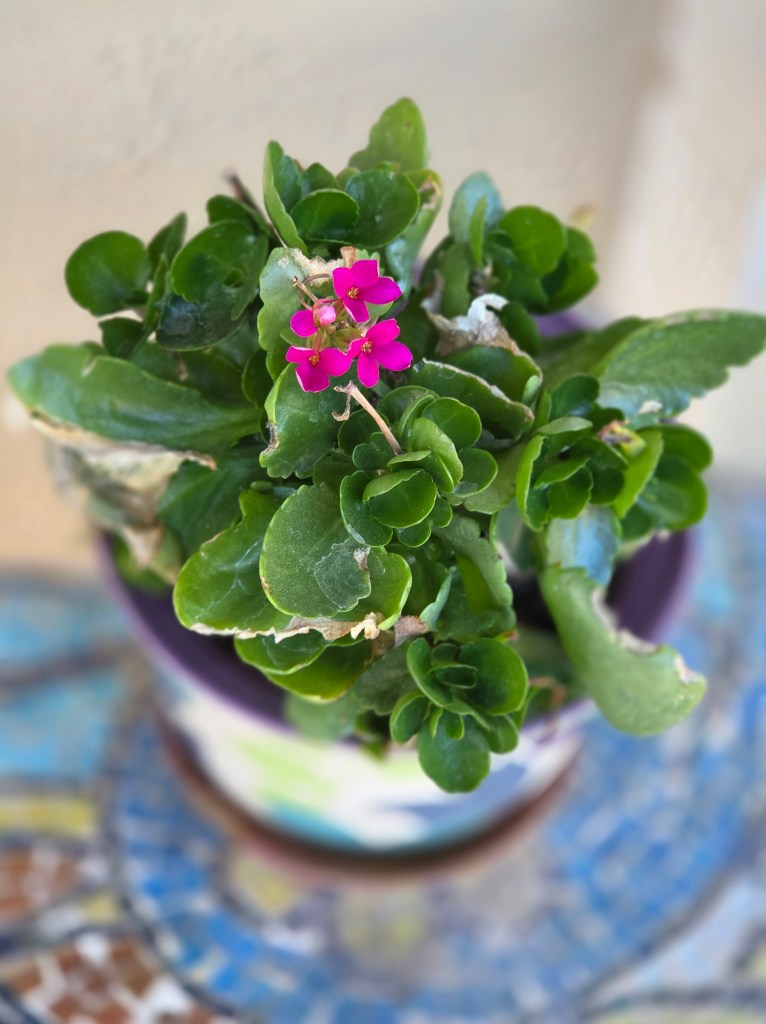
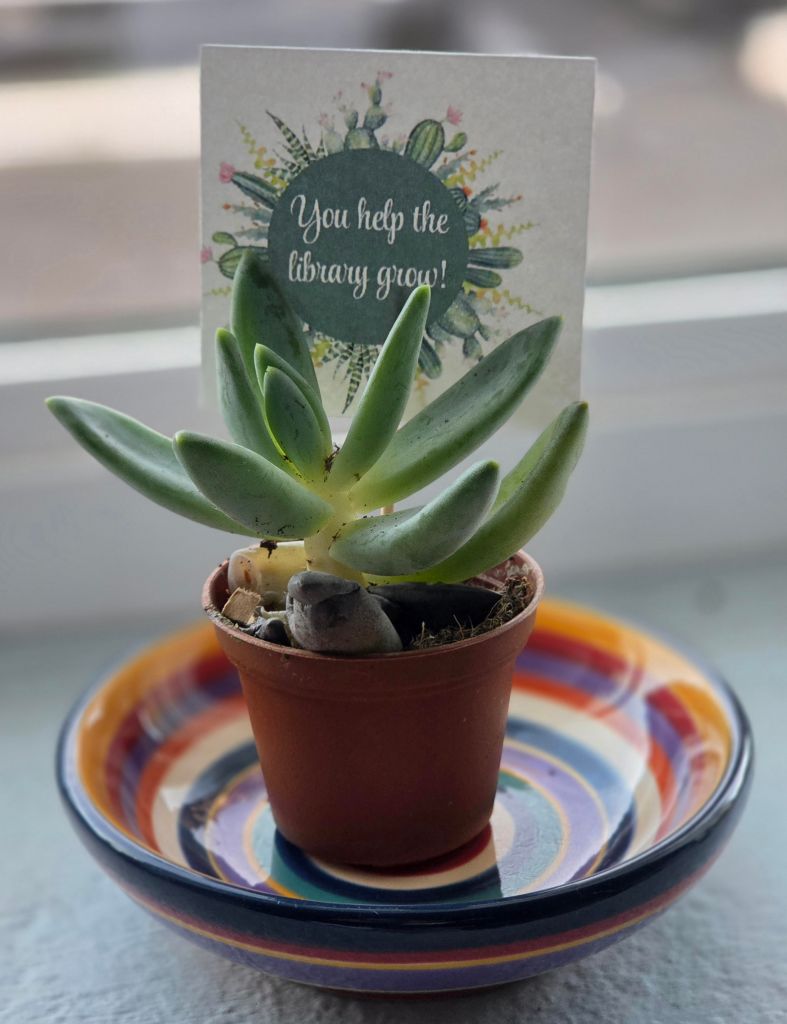
We each brought home a certificate, thanking us for our volunteering efforts, along with a tiny succulent plant bearing an important message. We placed both of them on the windowsill of our south-facing sunroom in Scottsdale.

They will serve as a reminder for me that–even in my late sixties–I’m helping others grow in my community.

I know Phyllis, a life-long educator, valued that, too.

Sensitivity

I pride myself on my sensitivity.

In my book, empathy is an essential quality for writers and human beings in general. It opens the door to developing deep and trusting relationships, but it also exposes us to emotional and physical pain. In this month of April, I have experienced both.

***

On Friday, April 10, Tom and I said goodbye to my cousin Phyllis.

The day before, we flew to St. Louis and enjoyed a nostalgic salad-and-pizza dinner with family in St. Charles, Missouri.

We gathered around a round, wooden table–balancing paper plates piled with food, while sifting through dog-eared photographs of Phyllis with living and deceased members of our Johnson family from the past seventy-five years.

In that space, I felt a meaningful connection with Tom (Phyllis’ husband), Austin and Bryant (her adult sons) and their respective spouses (Amanda and Kelsey).

Meanwhile, Phyllis’ four grandchildren–ranging in age from three to eight years old–danced around the island in Bryant and Kelsey’s kitchen, occasionally patting the head of Bennelli, their large-and-lovable labrador.

Despite the grief associated with the loss of Phyllis, it was a family moment I will cherish. One Phyllis would have loved.

The next morning, Tom and I drove to the funeral at Immanuel Lutheran Church in St. Charles with my sister Diane and brother-in-law Steve.

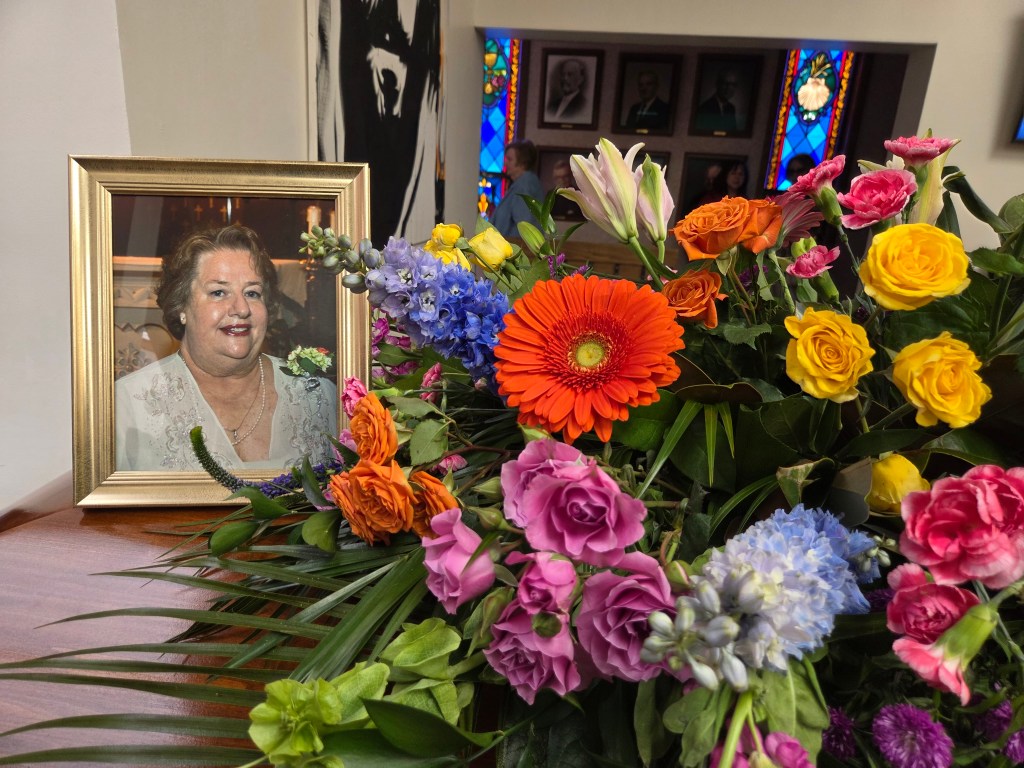
In a large open space connected to the church, Kelsey and Bryant had carefully assembled still photos–from throughout Phyllis’ life–on boards anchored by easels. They placed them beside her closed casket adorned with sprays of colorful blooms.

Overhead, at the other end of the room on a large screen, other images of Phyllis and her family and friends faded in and out on a large screen TV.

As people began moving into the church for the 11:30 funeral service, I felt anxious. Jumpy.

A mix of nostalgia and peace washed over me, as Tom and I found a place to sit at the far-left end of the fourth pew. Diane and Steve joined us there.

I scanned the program and saw that after readings from the old and new testaments–slotted between two church hymns–I would walk to the lectern to share “Words from the Family”. To give a eulogy. To pay tribute to my closest cousin’s life.

I’ve done a lot of public speaking, presenting, and singing on a multitude of stages in my life–but few things as personal as this. I breathed in deeply to quiet my nerves. I unfolded my prepared words and looked out over a congregation of probably two hundred: Phyllis’ family, friends, teaching colleagues, students, caregivers.

In that moment, my anxiety lifted and flew away. “I am honored today to remember Phyllis. She was my cousin. We were born a decade apart in St. Louis,” I began.

The words and phrases flowed effortlessly from there, as I looked into the tearful eyes of immediate family members–three generations side-by-side spread across the first pew.

“I admired Phyllis’ poise, her style, her intellect, her ambition, her sensibility,” I continued. Before I knew it, I was reciting verses from I poem I wrote for Phyllis: The Love We Shared.

I closed my notes. I left the lectern. I paused to pat Austin, Phyllis’ eldest son, on the shoulder for reassurance, kissed him on the forehead, then returned to the fourth pew and sat beside my husband.

I pulled a wrinkled tissue from my suit pocket, dabbed my eyes, and felt sadness and love reverberate throughout the church.

***

Tom and I returned to Arizona last Saturday.

Today I found myself dealing with another form of sensitivity … sensitivity to the sun.

This morning my dermatologist–in an out-patient procedure called MOHS surgery–removed a small patch of cancerous cells from the bicep of my right arm. As I write this, I am taped up with a sizeable patch over that area.

The good news is he removed all of the problematic tissue. There is no pain, just the anxiety (and the pinch of a few needles for numbing) that immediately preceded this morning’s appointment.

In a few weeks, the remnants of that procedure will fade. My dermatologist will extract the stitches.

I will be left with my fourth such scar–one on each limb ironically–from excisions and dermo procedures.

In a sense, these scars are “badges of honor” for having lived nearly sixty-nine years and survived a series of setbacks.

They are proof that as long as I live–as long as I write, sing, slather on sunscreen, and pause to remember the ones I love–I will also remain super sensitive to the blazing Arizona sun.