It’s rare for me to rise to witness morning’s first light. But, at 4:45 a.m., I was thirsty and warm.
I peeked from our den window through the Sunday slats of our vertical blinds to see a line of doves welcome the day.
I heard the clock ticking in the hall, then reclined on the couch to check the news feed on my phone.
Soon after, I heard Tom stir. Bleary eyed, he staggered into the living room to check on me.
We resolved to soothe our parched throats with cold water from the fridge. That’s what you do in June in Arizona. You hydrate over and over again to endure the heat of the desert.
By 5:30ish, we had summoned enough energy to pull on our shorts and socks, tie our shoes, grab our floppy hats and sunglasses, and step toward the alley that would lead us to the Crosscut Canal and Papago Park.
Just outside our door, our neighbor Glenn happened by with Mason and Katie, his two gentle-giant Newfoundlands, tugging him along.
We exchanged good mornings. Tom patted and stroked Mason’s long back. Katie and I locked eyes. Most of the puppy’s brown fur has turned black. Soon she we will be full grown.
We said our goodbyes. Tom and I continued walking west. When we reached the canal at 5:45, my phone told me it was 84 degrees–on the way to 113 by late afternoon.
Scorching, yes, but any person in their right mind knows to stay inside (or at least cover up) when the heat spikes. June isn’t a month to be savored in the Sonoran Desert. It’s simply one to survive.
By 6:00, we had walked past a few joggers and the full length of the fence that separates the canal path with the Desert Botanical Garden. We decided to stop and turn around.
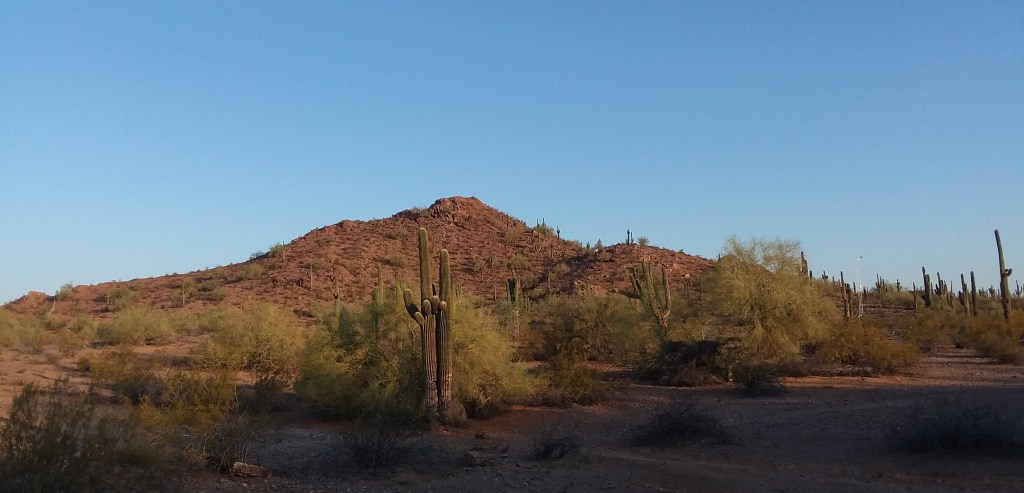
The sun was beginning to bear down. I paused, peered west, pulled my phone from my pocket, and captured the saguaros waking in the morning light.
On our return trip, a few monarchs danced and perched on the milkwood near the fence line. Tiny lizards skittered by as we chugged water from our bottles.
We retraced our steps, crossed the pedestrian bridge, welcomed shade from the Roadrunner apartment complex, turned the corner down the alley, and headed east to our cozy two-bedroom condo.
As we cross through the middle of May, it’s time to share the conclusion of the story of Millie, my neighbor, and our relationship that spanned twenty years Along the Back Fence.This story first appeared inAn Unobstructed View.
***
In the summer of 2016, I waved to Millie as I worked in my backyard. Frail and in her nineties, she was seated on a chair on her deck with Yolanda, her live-in caregiver, nearby.
Millie motioned to me to meet them by the back fence. With Yolanda at her side, it took a few minutes for Millie to navigate her way there. But there was never any doubt she would make it.
When she arrived, I leaned out to give her a hug and she rested her head on my shoulder. She told me she loved to admire the perennial blooms that came and went, but her gardening days were over. She simply didn’t have the physical energy for it anymore.
Nonetheless, she wanted to gift the only remaining rose bush in her yard to Tom and me, if I would dig it up from her side of the yard and find a place to transplant it in our backyard.
Though I didn’t know where we’d find room for the bush, I was touched by the gesture. I grabbed a shovel from the garage, wedged the toe of my shoe in the cyclone fence, and boosted myself over onto Millie’s lush lawn. Tom found our wheelbarrow and lifted it over too.
It took me nearly thirty minutes of digging before I could pry the stubborn bush out of the ground. But it finally succumbed. When I left Millie’s yard with the bush, I thanked her and gave her another hug and kiss on the cheek. We had come a long way from our early compost pile days.
“I love you guys,” she said.
“We love you too, Millie,” I assured her.
Before Tom and I moved the following summer, we waved to Millie a few more times from our backyard whenever we mowed our lawn and saw her perched on her deck, presiding over her floral-filled memories.
And the red rose bush–which we carefully transplanted alongside our driveway and propped up with tomato stakes and chicken wire–took root and bloomed before we departed.
We left it there for the new owners to enjoy.
It only seemed fitting.
***
In late October 2019, Kathy–another of our Mount Prospect, Illinois neighbors–called with sad, but inevitable, news. Millie had passed away, just a few months shy of her 100th birthday.
In May 2022, I fantasize that somewhere in a distant universe, Millie is preparing to serve up a Tupperware container filled with ambrosia salad for all her friends.
In reality, seventeen hundred miles west of my previous Illinois home, it is our Arizona neighbors who are about to be dazzled by a summer-long perennial display compliments of our double-red desert rose bush.
The arrival of this much-anticipated splash of brilliant color is something Millie would have loved.
Today marks four years since I began my blogging adventure and obsession.
When I launched this website May 4, 2018, I wanted to promote my books and develop a greater literary presence online. Over time, that goal has been superseded by a desire to share topical stories about the extraordinary, meaningful moments and people that cross through one ordinary life.
It’s been no simple task nurturing my creativity in this chaotic world. Blogging has given voice to my memories, ideas, values, observations, and opinions. More than that, in my sixties it has become the organic structure I need to stay sharp, sane, hopeful, and whole.
Most definitely, blogging was my salvation during the height of the pandemic. The whimsical and serious tales I spun at my laptop became fodder for my fourth book about two gay men forging a new life in the Sonoran Desert.
This post is #324. That’s an average of eighty-one stories per year or nearly seven each month. Written at all hours of the day and night. Concocted in all sorts of moods: happy, sad, angry, reflective, devastated, and triumphant.
Thank you for joining me on this circuitous journey. If you follow me, you know I often share poetry. Frequently, I like to include photos that ignite and inspire an idea that might otherwise never have surfaced.
For nearly thirty years, I’ve written poems and stashed them in an expanding file. It’s a body of work that encompasses the highs and lows of six-and-a-half decades and chronicles the profound role nature plays in our everyday existence.
As I approach my 65th birthday in July, I feel an impulse to publish a collection of my most vivid poems. Would such a chapbook interest you? As you ponder that question, I hope you enjoy reading this verse.
When I wrote it May 7, 2016, Tom and I were Midwesterners–more familiar with blooming iris and peonies than spiky cacti and monsoon rains.
As an Illinois resident on the threshold of more change than I could imagine, I wanted to remember the imagery of past Mays.
My, our world has changed.
***
May’s Bouquet
Arriving welcome, clean and fresh, reflecting skies grow amorous.
Crisp at dawn, bursting through, captured by a mother’s view.
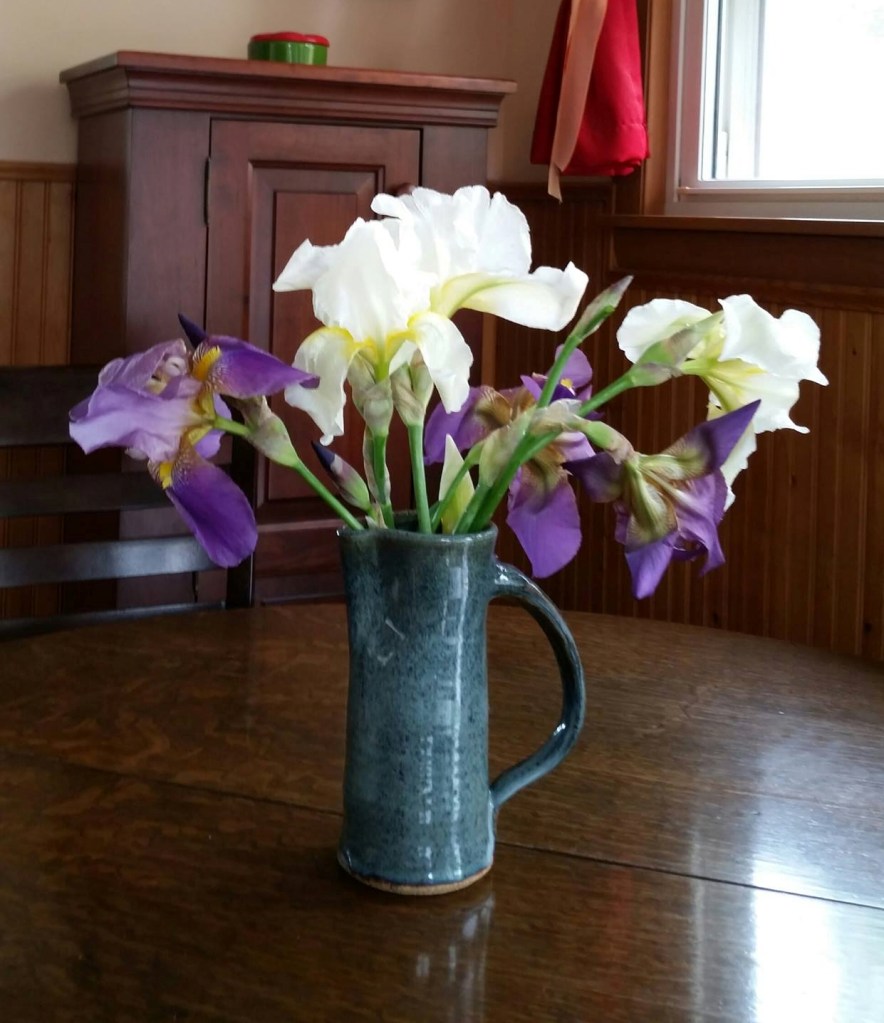
Blooming iris, sweet repose, ducklings lined up in a row.
Bounding blooms, fast and pure, veiled peonies pink allure.
Reaching high, bred for speed, stretching out to take the lead.
Calm til dusk, an even pace, ushered in the rain’s disgrace.
As friends flock north and east, mockingbirds replace them. Stationed high in palms, they announce April is ending. Below, something bright is blooming.
We have reached our annual pivot point. We teeter between welcoming warmth and undeniable heat. There is no turning back to milder yesterdays.
Even in this age of escalating temperatures and worries, nature reminds us we are strong survivors. In a vast, blurry land of thorny problems, we shine.
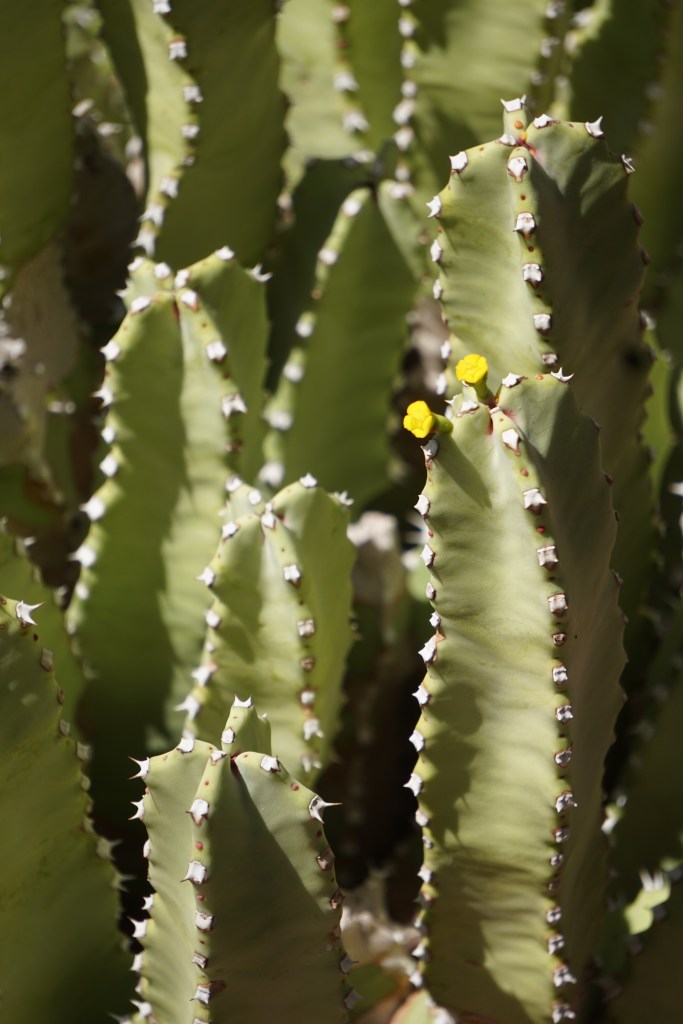
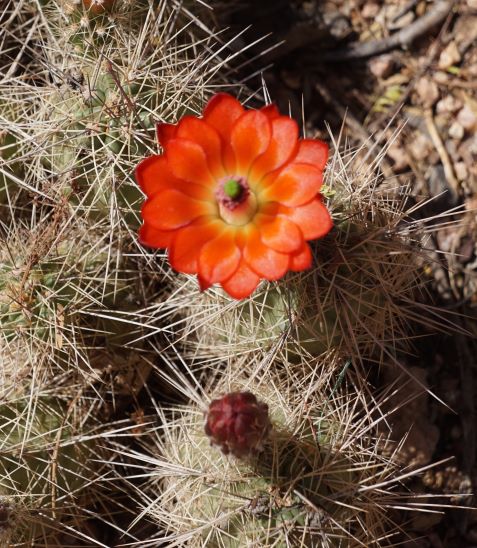
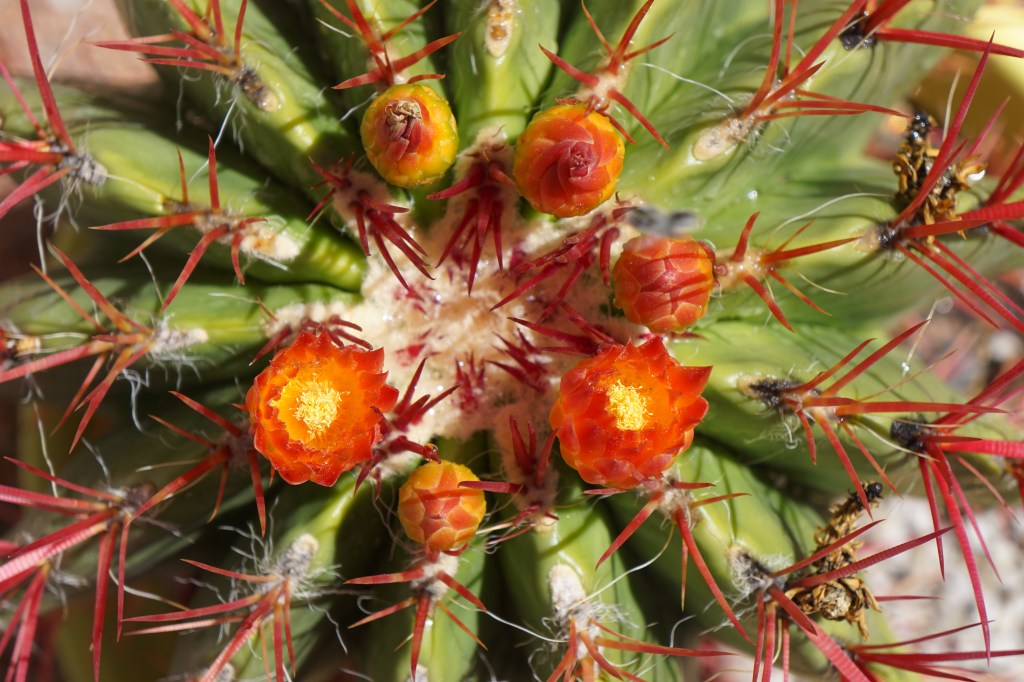
On April 28, 2022, the Moroccan Mound cactus outside our door bloomed for the first time.
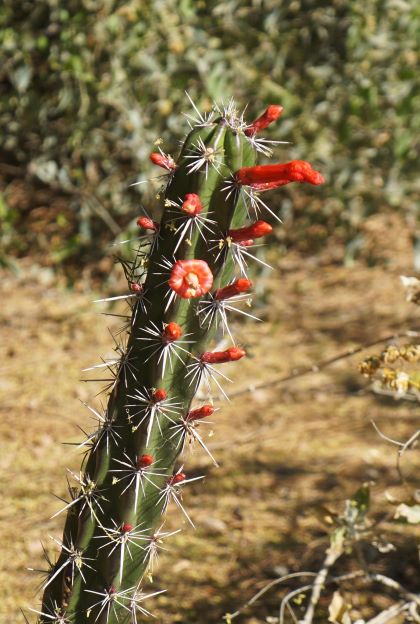
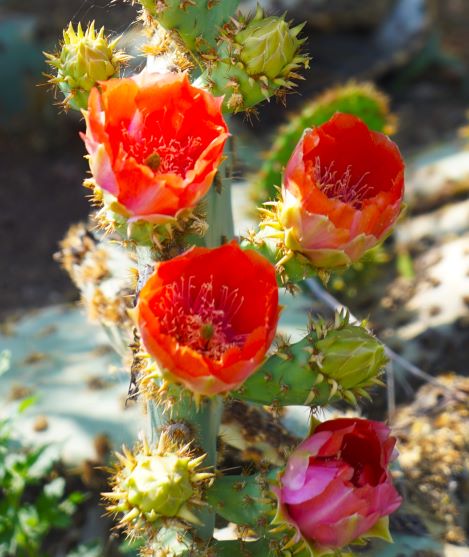
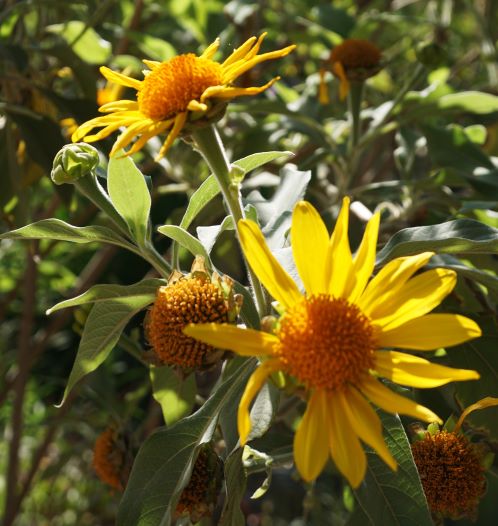
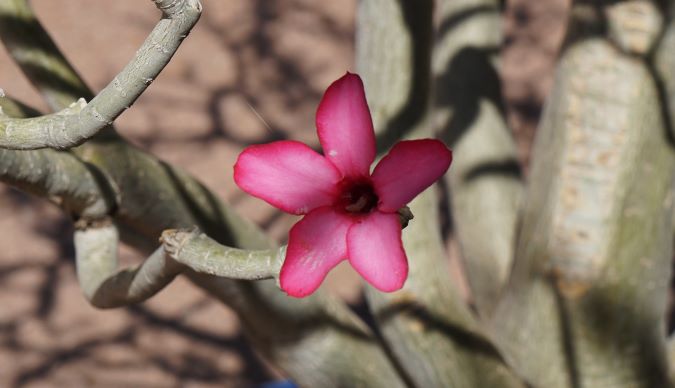
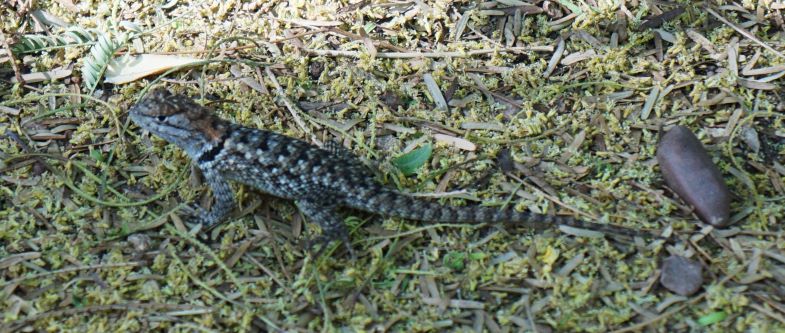
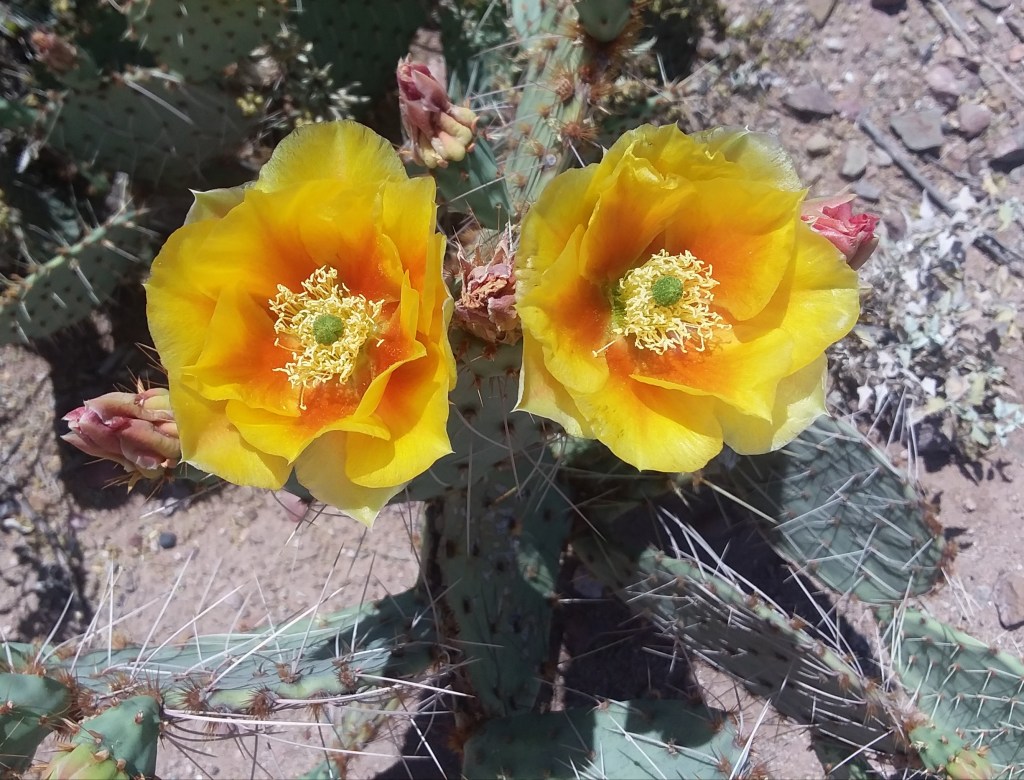
Through the weekend, the Tunnel Fire has burned 21,000 acres just north of Flagstaff, Arizona. But a few hundred miles south, the Valley of the Sun is ablaze in a kaleidoscope of color. In April’s final week, blooming wildflowers, cacti, and desert roses–and a resilient reptile–answer an age-old question. Yes, despite our warming planet, rare beauty remains in the Sonoran Desert.
Warmer, brighter, and dryer than my midwestern memories, the arrival of April in the Sonoran Desert means we are a step closer to the oven.
I’ve come to welcome the regularity of the sun and heat. They define who we are: slimmer survivors, comfortable in shorts and sandals minus the cloud cover and weighty coats of our past lives.
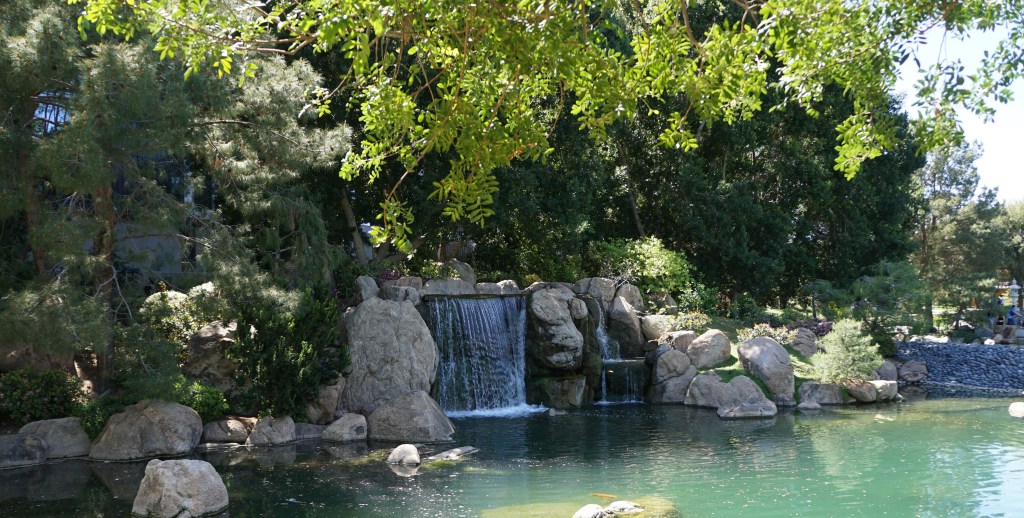
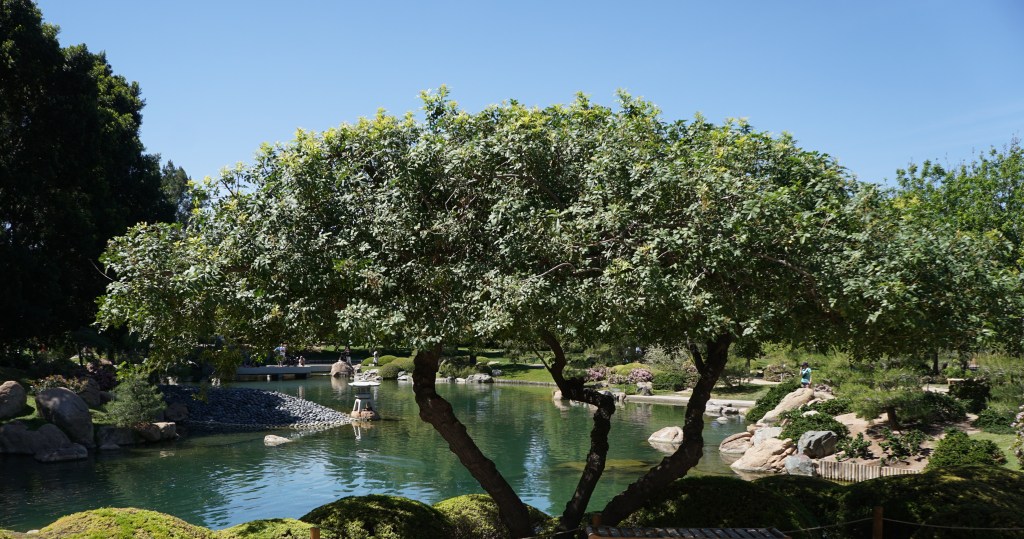
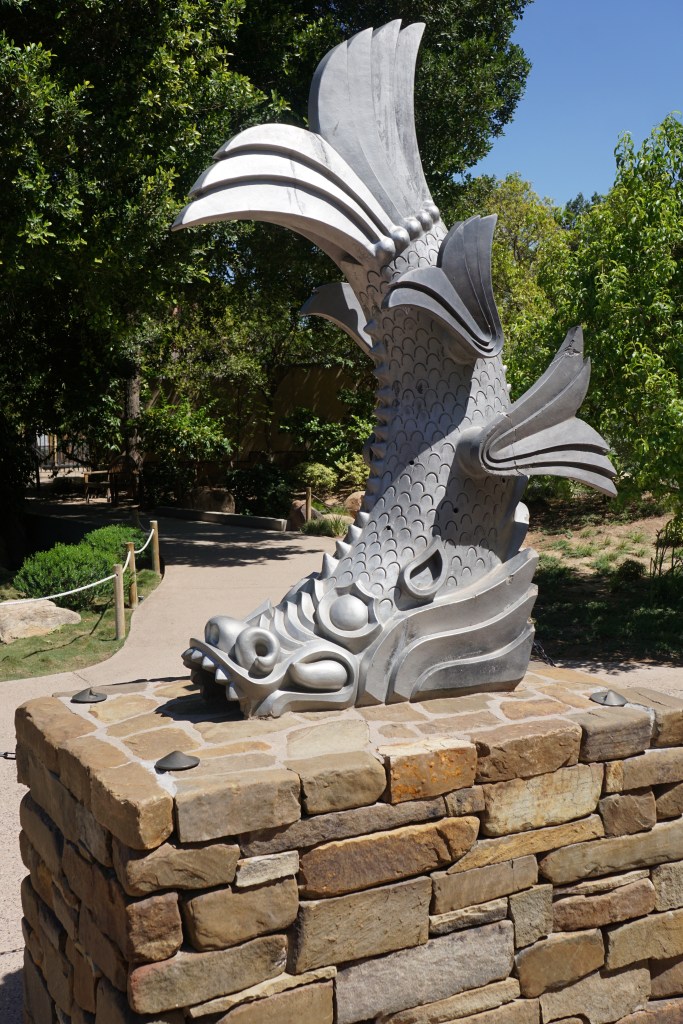
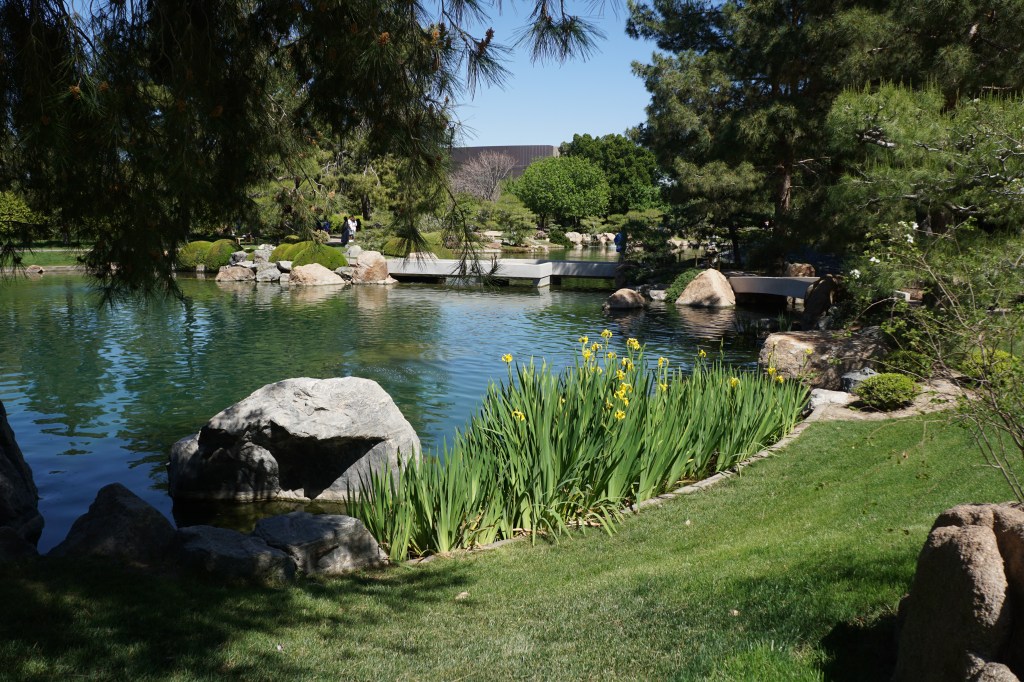
No matter the month, if you’re willing to dig beneath the palms that frame the burgeoning Phoenix skyline, you’ll find the Japanese Friendship Garden (named RoHoEn) coexisting with concrete in an urban setting.
Planted at 1125 N. 3rd Avenue (just west of Central Avenue and south of I-10 on the way to L.A.), this hidden Phoenix gem is an unexpected eastern oasis deposited amidst the flurry of western civilization.
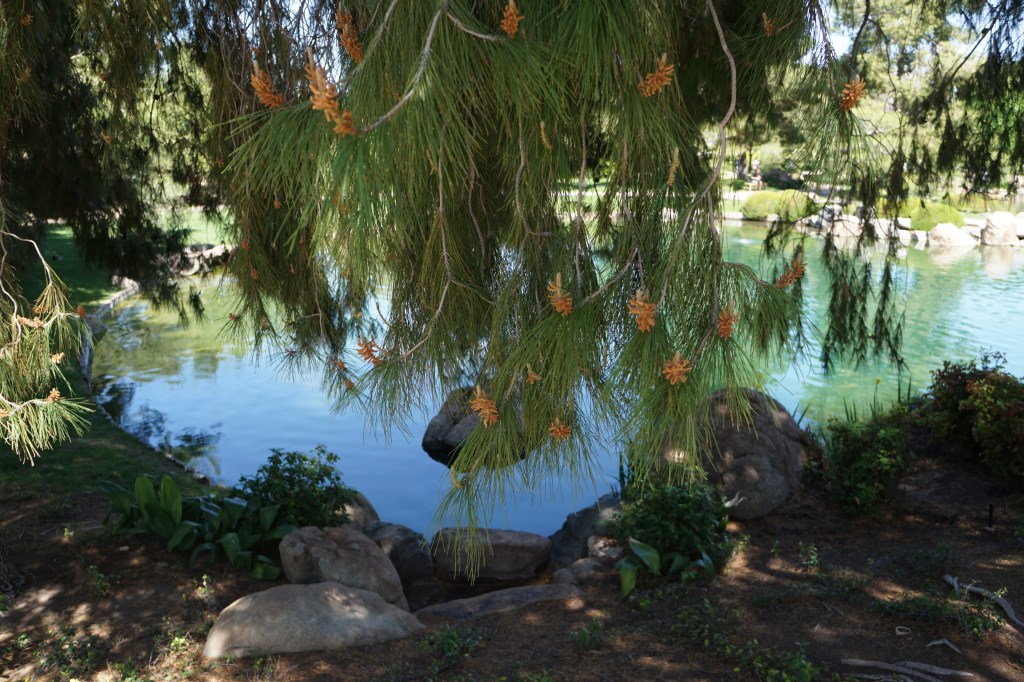
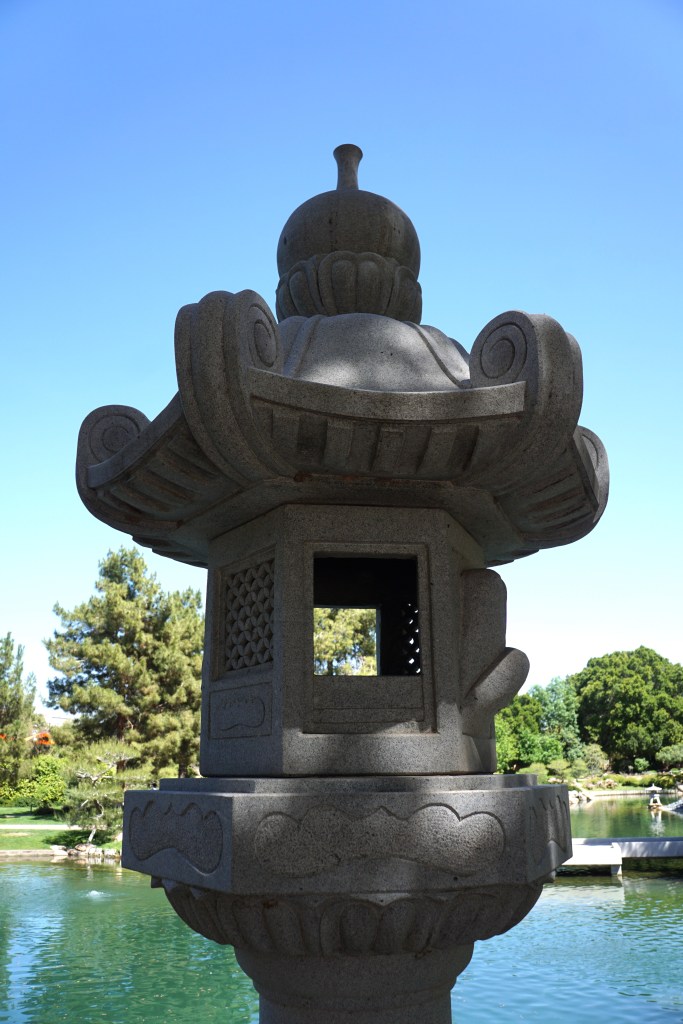
Protected by the shade of a high-rise apartment building, colorful koi dance beneath the surface of a shallow lake, a canopy of pines, sculpted shrubs, gentle waterfalls, and peaceful pagodas.
Of course, many come to the Valley of the Sun to relax by the pool. But if you prefer a different kind of escape, the garden is an ideal place to stroll in the shade, pause on a weekday, feed the fish, and nourish your soul.
Note: Located in the heart of Phoenix, the 3.5-acre Japanese Friendship Garden is a joint project of the City of Phoenix and its Sister City, Himeji, Japan. I captured these photos during an afternoon visit with Tom on Wednesday, March 30, 2022.
Sherrell Richardson Ferrell, my farming and writing grandfather, posing in the 1930s.
As a writer and gardener, I’ve learned there is constancy and comfort embedded in the rituals of life.
Each time I sit before my laptop to tell another story I feel a sense of grounding. My hard-working grandfather, the North Carolina farmer, must have understood that. He kept a journal every day for fifty-two consecutive years–from 1933 until the day he died in 1985.
Less about his personal reflections, much of what S.R. Ferrell wrote was about the day-in-day-in responsibilities of farm life. For instance, forty-nine years ago on his seventy-second birthday, this is what he had to say:
I did my farm chores in cloudy foggy wet morning. The mud is getting deeper by the day. I mopped the kitchen after I got my outside work done. I changed my clothes and went to Huntersville to get prescriptions filled. My 72nd birthday. Jimmy, Frankie and Frances came and ate lunch with us today. Mamma and Zelma called and talked to me. Cloudy, wet, muddy, mild all day. More rain expected tonight. 54 degree low; 60 degree high.
There is nothing spectacular in these words until you consider that he wrote down his thoughts for more than five decades. Little did he know that–long after he was gone–I would read every page of his journals and (after my mother and his daughter died) write a book about the writing DNA that runs through my blood.
Now that I’m a desert rat, I keep a speckled rock from S.R.’s farm in our Arizona garden. At this moment, it’s wedged in the ground under our fig tree. Every time I water the tree, I see the stone. It reminds me of my southern roots and connection to the earth.
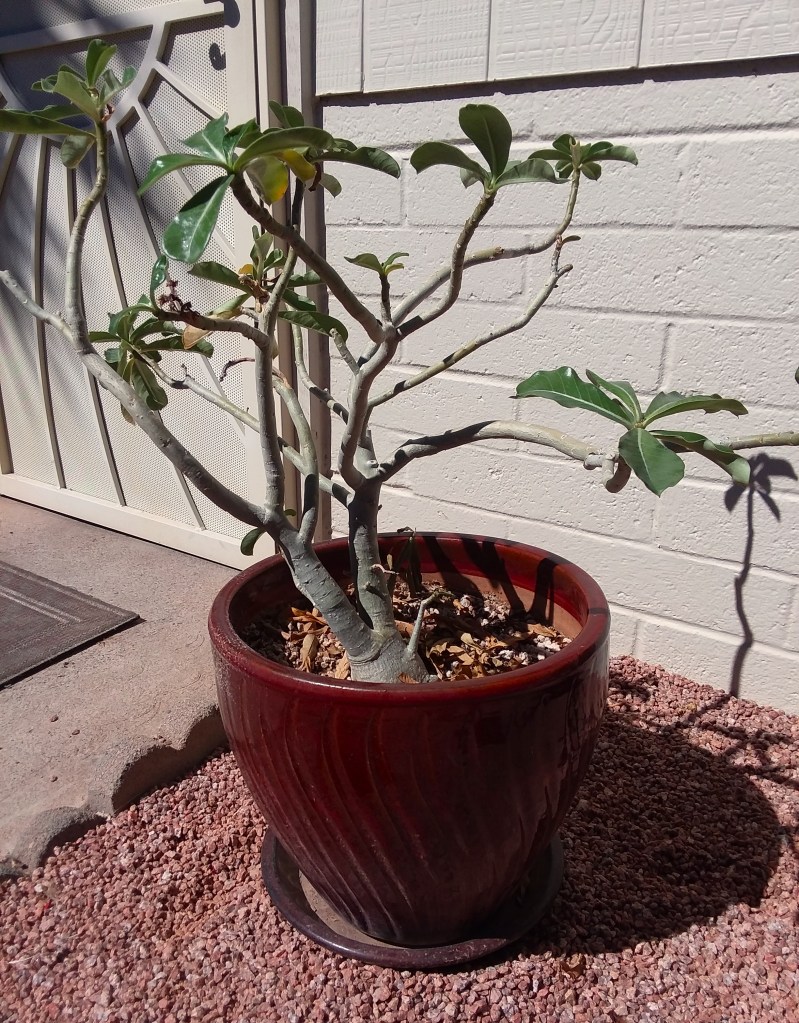
In keeping with the ebb and flow of nature and lineage, I do this ceremonial gardening dance twice a year. In early December, I lug my beloved desert roses (aka, adeniums) inside away from winter’s chill. They hide dormant in the darkest corners of our condo until March, when I haul them back outside to face the world again.
Yesterday morning, one day before S.R.’s 121st birthday, I renewed part two of this desert rose ritual. This year, it also happened to be the day Tom hired Chem Dry to clean our carpet.
Before Drew from Chem Dry arrived, my husband and I hoisted our slumbering desert rose and situated it outside our backdoor. We didn’t want to spill any soil on our freshly manicured carpet.
All of that went without a hitch. Neither of us strained our backs and Drew finished his job in less than an hour. The carpet even dried more quickly than expected.
By early afternoon, we were able to walk on the surface without wearing blue booties. By 3 p.m., we had moved all of our furniture back to where it belonged.
The blooming cycle for our prized adenium will take quite a bit longer. Rest assured, new leaves will appear this spring, prompted by warmer, longer days. Though S.R. never traveled to Arizona, I can imagine him sitting with his sleeves rolled up between farm tasks, nodding in his rocking chair as I write these words.
By June (maybe sooner) when the temperatures have reached 100-plus again here in the Valley of the Sun, this remarkable plant will produce several gorgeous double-red blooms. With it all, once again, I will have physical proof that natural beauty is constant.
Even though it feels like the rest of the world has gone mad, I draw strength from fertile ground and the knowledge that these rituals help me feel hope is always on the horizon.