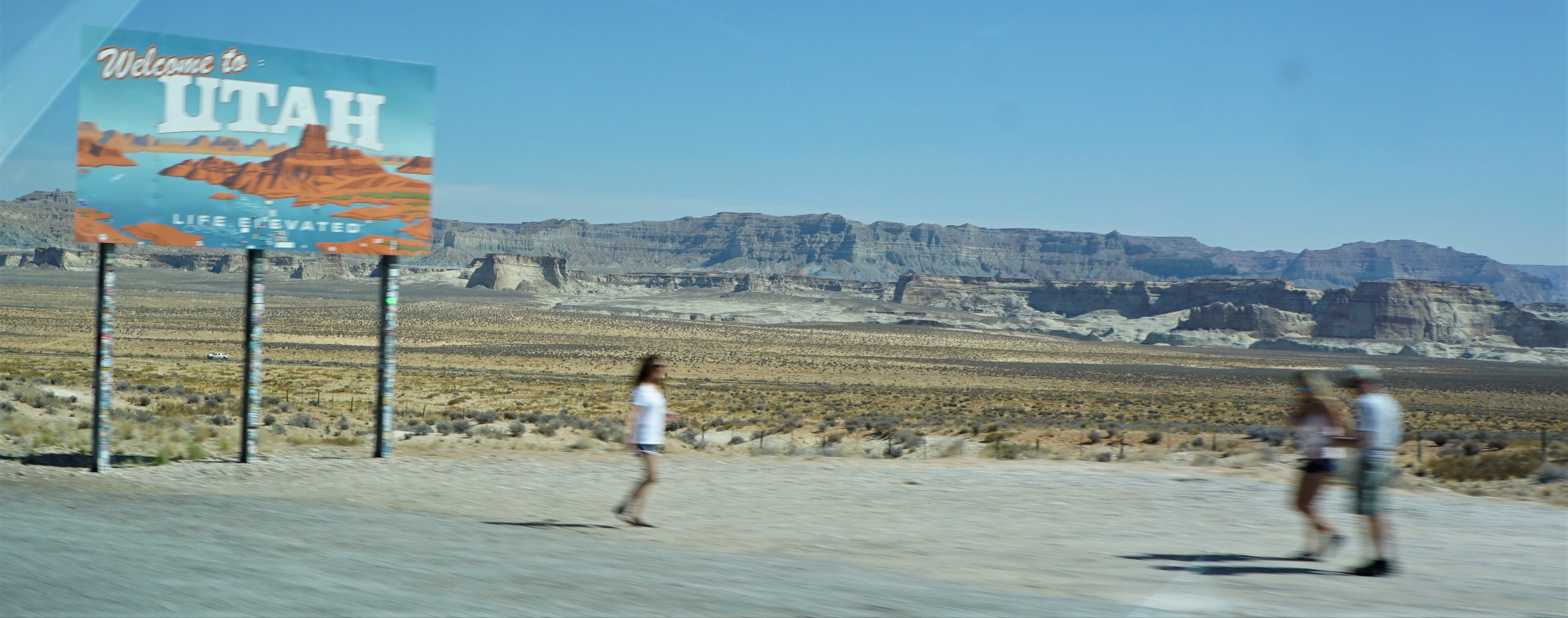
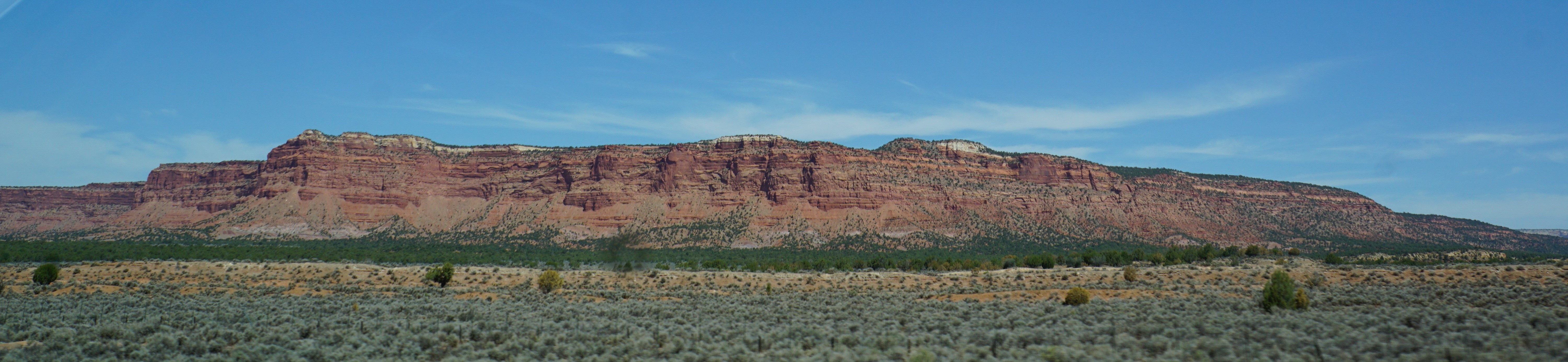
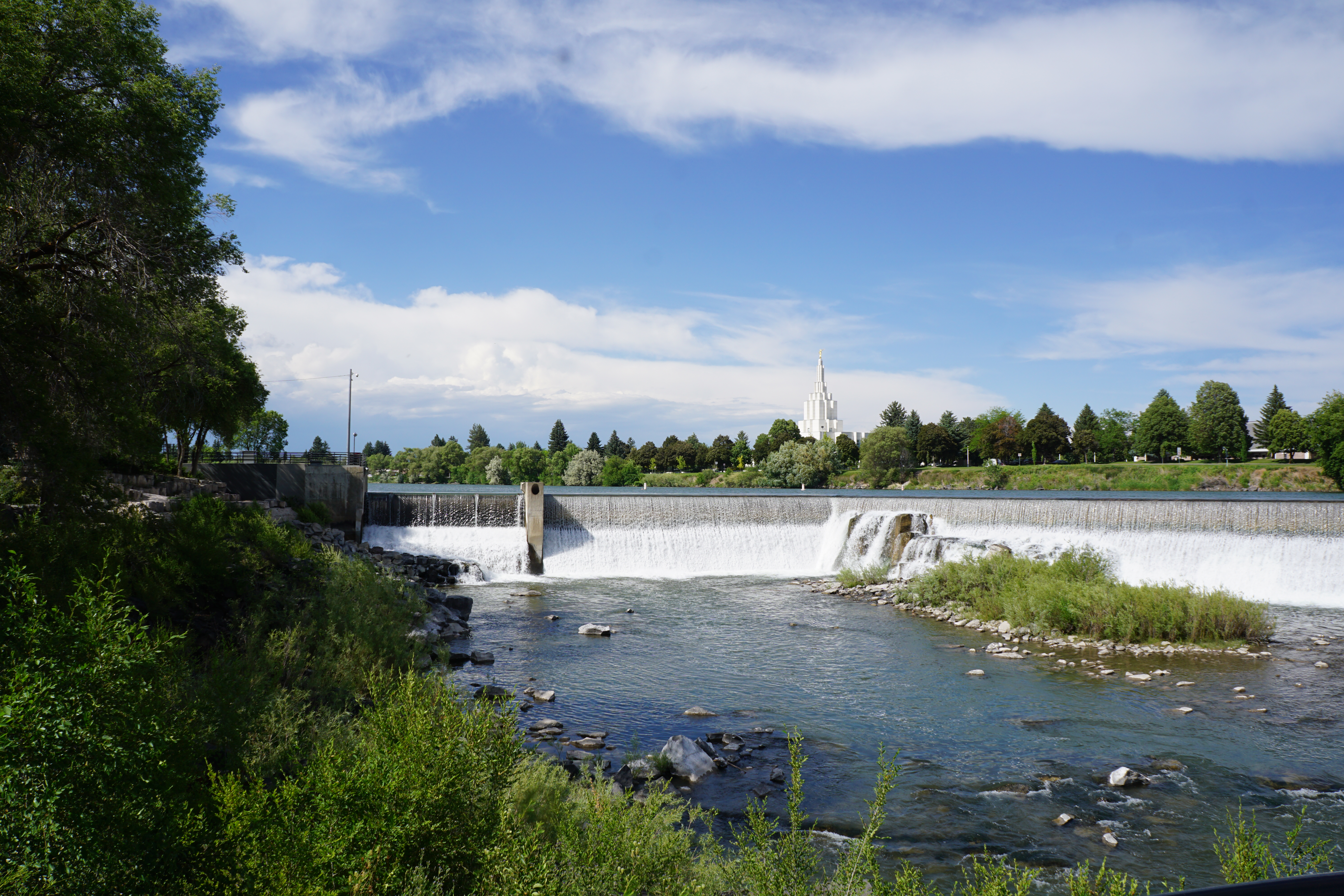
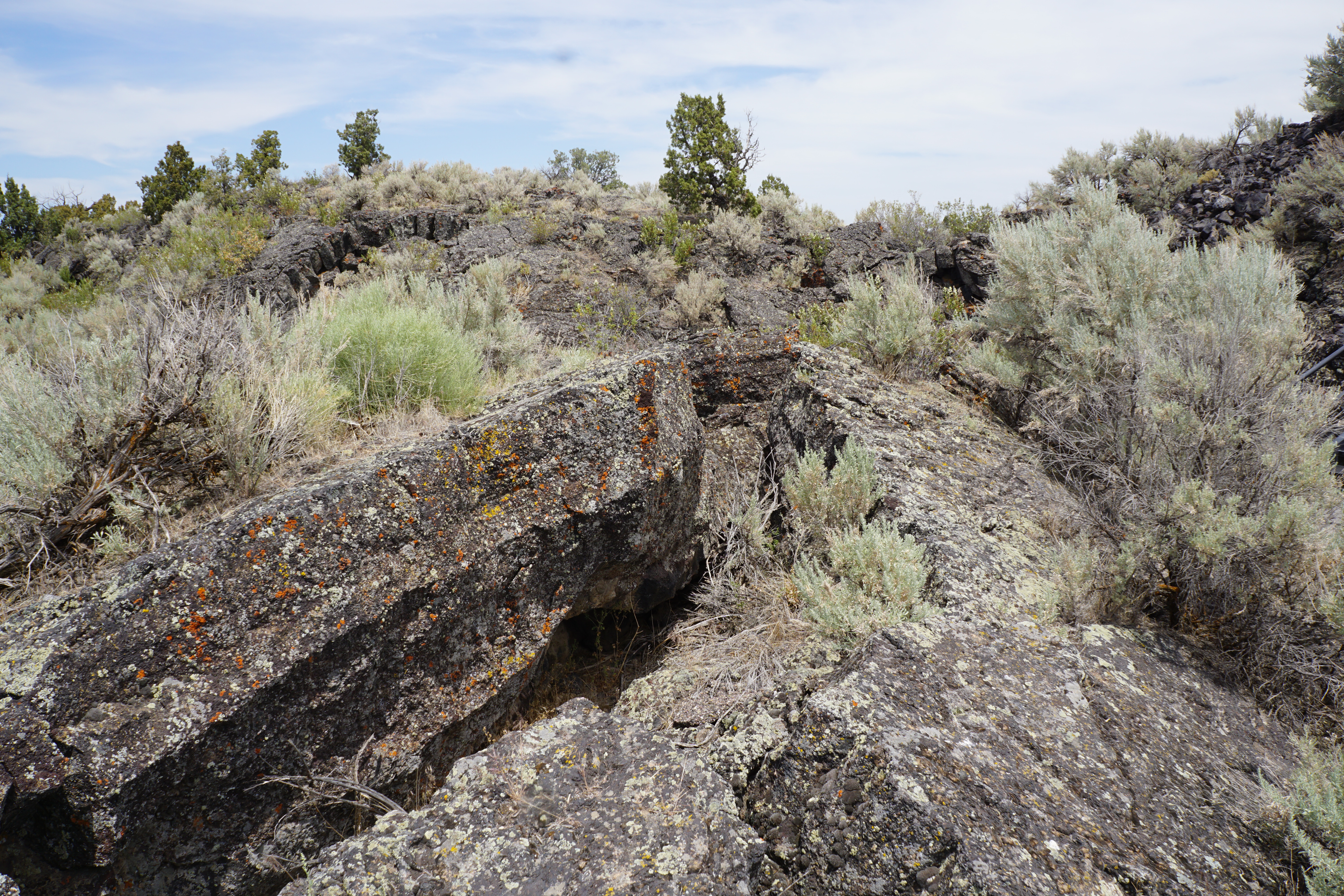
Traveling through the West, it is the beauty, desolation, and vastness that inspire me most. The sky and geography of Utah and Idaho collude to create soaring, lasting impressions. They seduce me, whispering ancient tales and promising a blur of stories of high plains, dusty buttes, painted plateaus, river rapids, and arid summer days.
The COVID-19 traumas that spun endlessly in 2020 and early 2021 have spawned a mountain of stories bursting with pain and uncertainty. But rays of clarity and creativity have begun to emerge as we try to make sense of the pandemic that will forever shape those of us who survived it.
I devoted part of my latest book to Coronaville–that crazy town we still live in–because I think it’s important to remember the fear and examine it, rather than sweeping it under the rug. What a shame it would be if we didn’t learn from the madness this plague has perpetrated. Here is a sampling of what I wrote one year ago this week:
***
Monday, June 15, 2020 began with congestion in my chest, mild nausea, and an occasional headache. I did not have a temperature, sore throat, or experience a loss of sense of smell or taste that may accompany the dreaded virus.
Nonetheless, I was worried enough to call my doctor, who prescribed a chest x-ray at a nearby diagnostic center that afternoon and a COVID-19 test the next morning at an HonorHealth urgent care facility.
Fortunately, my chest x-ray came back normal. There was no sign of pneumonia or any abnormalities. More than likely, I was dealing with a sinus condition or allergy to an air-borne culprit than the dreaded COVID-19. But still I waited. I was afraid the other shoe might drop.
On Tuesday, I imagined the desert dust from an adjacent construction site–fumes from our recent bedroom painting project or particles I had ingested from the smoke of a wildfire that raged in the hills sixty miles northeast of us–could be the problem. But I worried about the worst as Tom and I drove to Mesa for the swab test at 11 a.m.
***
To read the rest of the story (and all thirty-nine essays set against the warm and rugged landscape of Arizona’s Sonoran Desert) click on the link below and purchase a copy of my book in paperback or Kindle.
I’ve been feeling murky lately–grumpy too. It’s been one of those uncertain periods in life. We all have them.
Two weeks ago, the engine in our nine-year-old Sonata seized. It went kaput as Tom was returning from the gym, initiating a domino effect of frustrating phone calls and texts, AAA tows, car rentals, dealer discussions, loaner agreements, missed connections, and moving deadlines.
Fortunately, Tom is okay and our car is still under warranty … barely. (Ten years or 100,000 miles.) Our odometer read 98,500 when everything shut down. The engine was replaced and paid for by Hyundai. We picked up our rejuvenated car yesterday. It’s now running smoothly.
Despite the relatively fortunate personal and financial outcome, my patience has worn thin. My creativity is scattered. It’s as if a Sonoran wind blew in, swept my disparate ideas (literal and figurative scraps of paper on my desk) into the sky, and scorched them into a cloud of embers, precipitated by a drought-induced Arizona fire. (Yes, it’s fire season here again.)
As a result, my writing schedule is off. My temper is short. The temperature outside is rising fast in the Phoenix area (110 degrees here we come).
Oh, book sales have fallen off the map. Do people read anymore? This is one of those moments when I need to remind myself of the joy I felt in March when I was basking in the publishing afterglow (not the flames of a hillside fire) of reading passages from I Think I’ll Prune the Lemon Tree before a group of thirty-five friends and neighbors.
Through it all, I’m aware I am living in the undefined space between writing projects. If you are also a writer, you know what that feels like. It feels like crap. Why? Because writing (for us, at least) serves as a personal compass, a guiding light, an organizing principle that keeps us feeling passionate, centered, connected, relevant, and whole.
Now that I’ve had a chance to whine a little, I should also tell you that a new possible creative project has begun to surface. It may materialize this fall. At this point, I don’t want to jinx it by describing it any further.
Instead, I’m better served by resting my brain a little, praying for monsoon rains in Arizona, and focusing on a much-needed, ten-day vacation/road trip to and from Montana, which Tom and I will embark on in a few weeks.
Of course, we couldn’t go anywhere a year ago. But, because we are fully vaccinated, we’ll be able to explore and absorb the majestic scenery of Arizona, Utah, and Idaho with a clear conscience and visit friends in Bozeman, Montana.
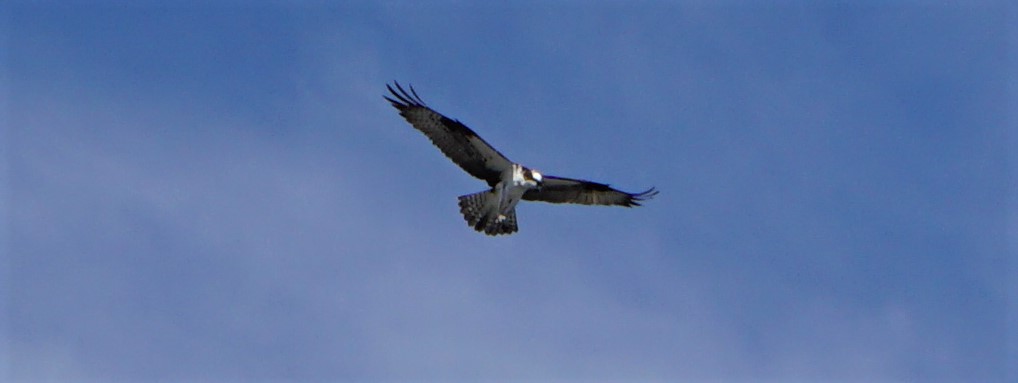
On May 27, 2021, I captured this majestic image of a bald eagle spreading its wings, perched atop a telephone pole, gazing east, standing guard along Hayden Road near my home in Scottsdale, Arizona.
This is my domain, though at times I barely recognize the land that met the sky on the wings of my ancestors. Now it is divided into parcels and corridors of parched earth and concrete that channel swirling desert winds.
I crave missing monsoon rains. I grieve for the fallen in war and peace. I pause to observe the pain, pestilence, and progress. I wince over apathy and shortsightedness. I am blind to none of it.
Call me a scavenger or opportunist if you will. I am imperfect like you. I am a survivor, a symbol of what is right and wrong. I was nearly gone and forgotten. Now I am standing guard over the mystery and mayhem that is my home.
Like this image, life has been more than a little blurry for the past fifteen months. I have tried to keep smiling, but the outrageous number of deaths due to COVID-19 (more than 580,000 in the United States at this point), endless Zoom interactions, mind-numbing-worry-filled hours, and angst-ridden social and political moments have made it difficult at times.
Add in the daily masked encounters in contact-free zones to protect ourselves. There have been too many of those to enumerate, but through 2020 and the first four months of 2021 I never questioned the need to wear a face covering, though it certainly created an emotional barrier to contend with.
What would you have said if I told you this on January 20, 2021, (the day Joe Biden took the presidential oath of office)?
“By the middle of May more than 47 percent of Americans will have received at least one dose of a COVID-19 vaccine and 37 percent of all Americans (more than 120 million including my husband and me) will be fully vaccinated. Oh, and CDC masking guidelines will be substantially relaxed as a result of the greater numbers of protected citizens. For instance, if you live in Scottsdale, Arizona, where I do, you will be free to exercise in a community gym without wearing a mask on May 15.”
You probably would have responded like this:
“You’re crazy, Johnson!! Stop building my hopes and spreading unrealistic half-glass-full-but-dreamy conspiracy theories.”
But I’m not crazy. Think about what we have accomplished in less than four months as a nation. Where would we be without the vaccines, a compassionate and hard-working president, and science? Nowhere.
I realize there is a sizable chunk of Americans who will never get vaccinated, and as a result we will likely not reach herd immunity. If you are an anti-vaxer, it is your choice not to get the shots, just as it was mine to consent to receive the inoculations.
However, I see the “no vaccines for me” choice as a short-sighted and selfish one. I view the approved, no-charge COVID-19 vaccines as a “get-out-of-jail-free” card. (If you’ve played Monopoly, you get my drift.)
Without the vaccines (two doses of the Pfizer vaccine for me) I would have felt forever afraid and vulnerable. I would have continued to be worried about my well-being, not to mention paranoid about spreading the virus to others. All of us would be going nowhere … figuratively and literally.
Now, with the vaccine coursing through my veins, I am happier, freer, and less afraid than I’ve been in fifteen months. I can plan a trip with my husband to visit friends in Montana this summer, sing again unmasked in the same space with my friends in the Phoenix Gay Men’s Chorus, and work out at Club SAR, the community gym I frequent, without wearing a covering over my face. None of that would have happened without the amazing science of epidemiology and vaccines.
Best of all, blurry or not, with the boosting benefit of two shots in my right arm and some mild discomfort for a few days, I get to see the smiling faces of friends and acquaintances, and mingle with them again. That’s something I have missed dearly.
Though the road of life is paved with good intentions, it is often treacherous.
Four years ago this week, Tom and I accepted an offer on our Mount Prospect, Illinois, home. As we approached another milestone–our shared sixtieth birthday–we crossed the threshold into a new chapter and stepped closer to the warmer life in Scottsdale, Arizona, we dreamed of.
Though we planned extensively, nothing could have prepared us for the tumultuous turns we would navigate together on the way west in July 2017.
Published in 2018, An Unobstructed View, chronicles our journey. Here’s what one reader had to say in April 2020:
“This wonderful and uplifting book reads like a compilation of short stories, but it is beautifully woven together to demonstrate all interconnections that make up a community and a family. The book also pays tribute to people who may only be in our lives for a short time and emphasizes that a brief encounter does not diminish significance.
Mark’s story is one of courage. Courage to start a new chapter in life, and courage to move forward with optimism even when life throws the ultimate curveball. His journey will take you through his love of baseball, the joys of owning a dog, and the challenges of being a gay man. Although these are only a few of the anecdotes he explores, you’ll quickly notice that the book is well poised to connect with a large readership.”
After the past year we have endured, all of us are weary survivors. If you need a dose of inspiration and gratitude, download a Kindle version of my book on Amazon. It’s just ninety-nine cents through May 8.
I began this blogging odyssey three years ago today by publishing my list of memoir writing tips. I had no grand plans or notions of what this would become, who I might meet in the blogosphere, or how frequently I would post. (This is #242. That’s more than eighty posts a year since May 4, 2018.) I simply wanted to exercise my voice, promote my books, and share observations about my new life in the Sonoran Desert of Arizona.
But this experience has turned into much more than a lengthy chronicle of disparate topics. It has become a public place for me to examine the beauty of nature, the geographic grandeur and social diversity of the Grand Canyon State, the importance of family and community, the realities of aging and grief, the fright and implications of a global pandemic, the humor and irony of everyday occurrences, and the creative possibilities of a literary life.
Some of you have followed this space for multiple years, left frequent and encouraging comments, and even read a few of my books. Others have joined this journey recently. Wherever you fall on that spectrum, I am grateful for the time you have devoted to my writing and connections we’ve made. Thank you. This rose is for you.
There have been days since February–especially after completing my latest book–when I have realized my brain needed a rest. Given the energy and time commitment required, I wondered if this blog had run its course. However, today as I write this, I can’t imagine living without this forum. It is a strand of my life that keeps my vital and relevant.
Composing and sharing stories from my laptop–and peppering them with images and poetry from time to time too–is an important part of my identity. It is my passion. I need this authentic (though remote) social connection. I want to continue to be a part of the dialogue. Most important, I want to call attention to the simple joys of living and the healing aspects of nature, which often are overlooked.
Going forward, I don’t know how often I will post. But, as in the past, I will speak my mind, test story ideas, pay tribute to a rare person or defining moment, dabble in short fiction (which I began to do in I Think I’ll Prune the Lemon Tree), and explore the implications of everything from a personal joy to a national sorrow.
I hope you’ll continue with me on this journey and comment when the mood strikes … no matter who you are, what you believe, or where you live.
More than a shameless ripoff of the Tennessee Williams play and the ensuing 1958 movie starring Elizabeth Taylor and Paul Newman, this is a story about our community cat and the Sonoran Desert heat. Both are staring down at us on May 1.
Early this morning, Tom and I spotted Poly on our neighbor’s roof. (Poly is the name I’ve given the bright-eyed feline that has made our enclave her home; we aren’t sure who she belongs to, but she is everywhere in our retro Polynesian Paradise condo complex).
In pursuit of Saturday’s breakfast, persistent Poly was stalking a mourning dove and her baby nesting safely (they thought) under the eaves. Tom’s response was to worry about the well-being of the birds. Mine was to grab my digital camera and to stumble outside in my robe to document the moment.
Eventually, Poly slinked away without a catch. She pattered across the roof to find mischief elsewhere, perhaps on a back patio somewhere down the row. We likely won’t see her for a few days. That’s her pattern, at least. Appear. Disappear. Resurface. At dusk later this week, I expect she will reemerge and patrol the sidewalk in search of an evening snack.
The dry heat is more constant, less whimsical than Poly. Once it appears in early May (we expect a high of ninety-eight degrees in Scottsdale today), we know triple digits aren’t far away. But Tom and I have learned to adapt to the “oven” that is the Sonoran Desert from May through September. In a strange way, it’s become a familiar, returning friend.
In the Phoenix area, early morning and late evening walks or swims are the solution in the summer months … along with a few strategically planned escapes into the cooling pines of northern Arizona. This June we expect to venture even farther north to spend a few days with friends in Bozeman, Montana.
After a year of relative hibernation, I expect driving on the open roads and discovering new vistas in Arizona, Utah, Idaho and Montana will feel like a real adventure. It will certainly be welcome relief after the fright and disorientation of a pandemic year.
But even if we were forced to stay put another year and tough it out indoors away from the midday sun, the summer months are relatively peaceful in Scottsdale, because visitors leave to avoid the heat. For that reason, I give them high marks. I look forward to the quiet, to more time to reflect and write, and to hearing the potential pitter-patter of Poly’s cat paws pacing down our scorching sidewalk or across our hot (not tin) roof.
Life is a mysterious mosaic of beginnings and endings, hellos and goodbyes, births and deaths, marriages and divorces, successes and failures.
It is human to create and nurture vivid memories within the confines of these wins and losses. Yet, in reality, we spend most of our time existing before and after the highs and lows.
Nature displays a different path to follow. It encourages us to savor the space between budding and deflating events. It reminds us to live in the present, thorns and all.
Now that I have a little more distance from Good Friday, it’s clear how painful it was to witness Gary, my neighbor, die of congestive heart failure right outside my front door. Especially because Gary and I see/saw the same cardiologist. (In case you don’t know, I had my own heart trauma nearly four years ago. My husband Tom was the one watching the calamity unfold that day, rushing to get me to an emergency room in St. Louis on our sixtieth birthday.)
At any rate, if you’re like me, you’ve experienced the wide swings of life. Joy and sorrow. Victory and defeat. Jubilation and devastation. I think the secret to contentment is expecting and accepting both ends of the spectrum, then finding your balance somewhere between the two extremes.
On Palm Sunday, I found myself savoring an author’s dream come true. I was reading passages from my latest book to an attentive audience and signing copies in our community clubhouse. Five days later on Good Friday, Gary collapsed outside his and my condo. A few minutes later, he died in my grasp.
For the next two days–through Easter Sunday–I felt out of sorts and sick to my stomach. I was searching for my equilibrium, battling side effects of shock, and absorbing the protective properties of my second COVID-19 vaccination, as more requests for my book came via texts and front-door visits.
On Monday, I began to find some semblance of my equilibrium. I knocked on my neighbor Bob’s door. He and I had been there with Pat (Gary’s wife) when her world came crashing down. “Milwaukee Bob” (Pat calls him that because that’s where he and his wife Barb live most of the year) is adjusting to what he witnessed too.
Though it is the fig tree Bob and I stood beside, giving Gary and Pat comfort and support in the trauma of that Good Friday moment, he and Barb bought a copy of my book, I Think I’ll Prune the Lemon Tree. They weren’t able to make it to the book signing and reading on Palm Sunday.
On Tuesday morning, I exchanged hugs with Gary’s daughter, Andrea. She had flown in from Chicago with her husband and three children to comfort her mother Pat. Through tears, Andrea thanked me for being there for her mother and father. Her family’s spring Arizona vacation (planned before her father’s demise) was transformed into a mix of grieving, coping, swimming, and horseback riding. Her dad’s remains will be interred in Illinois at a later date.
It is Wednesday night now. I feel stronger again. I realize the tender result of Gary’s sudden death … that, through care and happenstance, I will be bonded to Bob, Pat, Andrea, and her family for life. This morning Tom and I joined a handful of friends for yoga in the park. Between ten and eleven o’clock, we stretched and posed on our mats. I felt the caress of a cool southern breeze under the shade of a tall pine tree. I heard the needles of the pine whisper and the call of the mockingbirds above us. I assumed my tree pose. I felt nature cradle me. I swayed, but found my footing on uneven ground.





 Mark Johnson Stories